
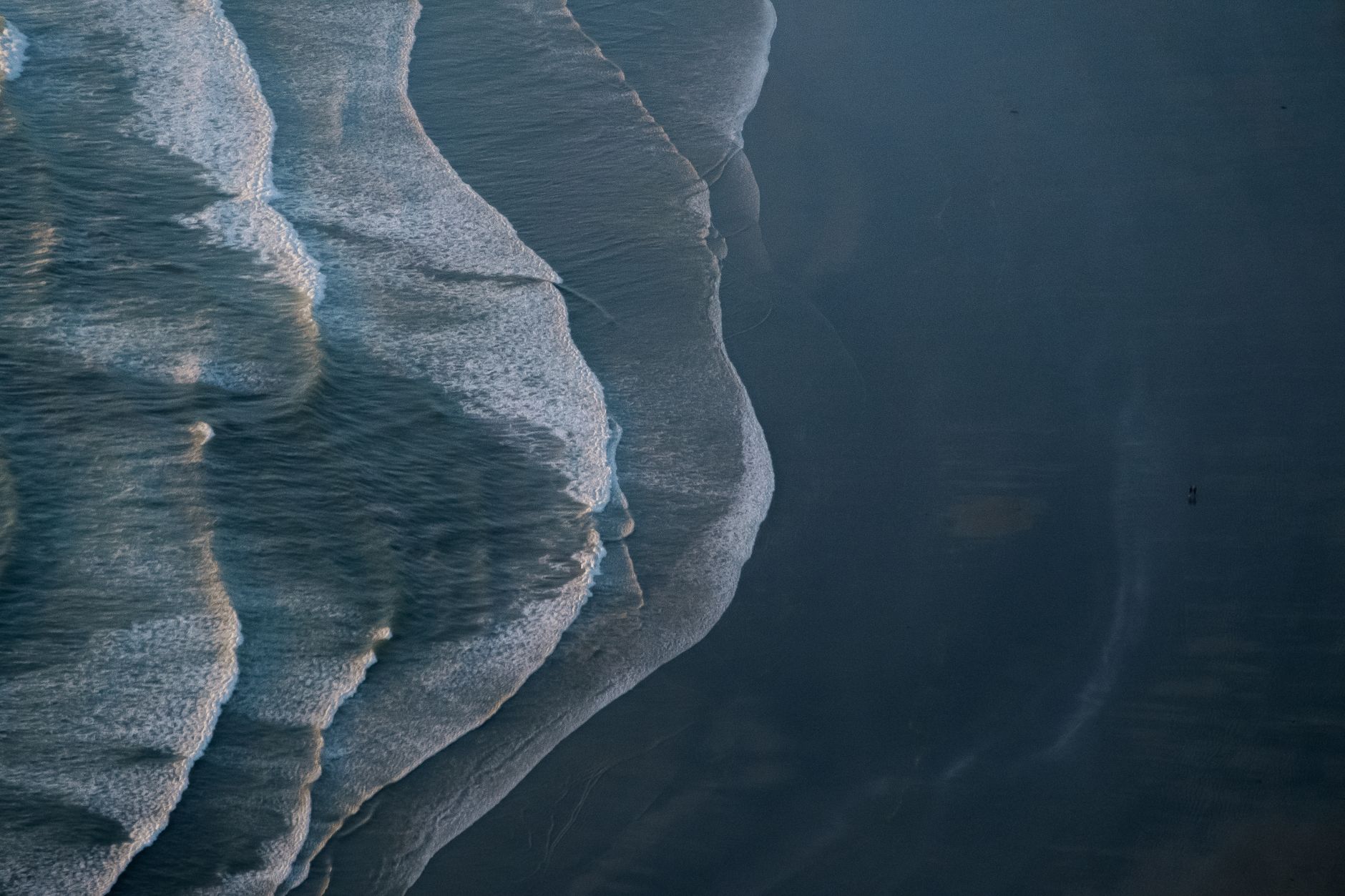
Counting the wavesβ¦

Black Tickle Beach offers a truly distinct coastal experience, defined by its rugged, rocky terrain and its isolated, island-like setting. This isn't a place for sun loungers, but for those who appreciate the raw, untamed power of the Atlantic carving dramatic shapes into the land. The shoreline is a fascinating mosaic of dark, weathered rocks and pebbles, interspersed with hardy coastal vegetation that clings tenaciously to life. The unique geography of Black Tickle, situated on a remote landmass accessible primarily by sea or air, adds to its allure. The sense of isolation here is profound, allowing for an immersive experience in nature's wild embrace. The air is crisp and carries the invigorating scent of salt and sea, a constant reminder of your remote location. Look out across the vast expanse of the ocean, and you'll feel the immense scale of the Labrador coast. Exploring Black Tickle Beach means discovering hidden coves, observing seabirds nesting on cliffs, and perhaps spotting seals in the frigid waters. The dramatic interplay of land and sea creates stunning photographic opportunities, especially during sunrise or sunset when the light paints the rugged landscape in vibrant hues. This beach is a destination for the adventurous spirit, offering a rare glimpse into a truly untouched and uniquely geographical corner of Newfoundland and Labrador.
Places, rentals, tours and events within walking and driving distance of Black Tickle Beach.
Photos
Black Tickle Beach is a rocky beach located in an isolated coastal area. The waters in this part of Newfoundland and Labrador are notoriously cold, even during the summer months. There are no lifeguards or designated swimming areas. Due to the rocky terrain and cold temperatures, swimming is generally not recommended. Visitors should exercise extreme caution and be aware of any strong currents or tides in this exposed coastal environment.
To best experience the remote charm and avoid crowds at Black Tickle Beach, visiting during the less busy times of year is ideal. As an isolated location, it naturally sees fewer visitors. Late spring to early fall might offer the most accessible conditions, though the weather can be unpredictable. Visiting outside of peak summer ensures a more solitary experience, allowing full appreciation of its unique geography.
Accessing Black Tickle Beach, situated on island-like terrain in an isolated coastal area, typically involves more complex logistics than mainland beaches. This often requires air travel to a local airstrip or a ferry service, followed by local transportation. It is essential to thoroughly research current travel options, schedules, and any necessary permits or arrangements well in advance, as services can be infrequent and weather-dependent.
Due to its extreme isolation, food and lodging options near Black Tickle Beach are very limited. Visitors should anticipate needing to be fully self-sufficient, bringing all necessary provisions and equipment. There might be a very small local store or guesthouse, but this should not be relied upon without prior confirmation. It's highly recommended to plan for primitive conditions and prepare accordingly for your stay.
Black Tickle Beach's uniqueness stems from its isolated coastal area on island-like terrain, offering a distinct geographical experience. This setting often results in rugged landscapes, dramatic coastal views, and a sense of profound remoteness. The geology and exposed nature of the area provide a stark beauty, different from more sheltered or mainland beaches, making it a compelling destination for those seeking truly untouched and wild environments.