Counting the waves…
Counting the waves…
A refined fusion of water purity, environmental stability, and communal vibrancy for Hamilton Inlet Beach.
View MethodologyAnalyzed via live sensors and environmental data.
Wave height, wind, and atmospheric stability.
Live footfall and crowd balance metrics.
Community reviews and curated sentiment.
“Hamilton Inlet Beach offers a sense of boundless space, with broad sandy stretches that invite long walks and quiet contemplation. This scenic coastal area provides sweeping vistas across the immense inlet, a truly…”
Limited recent visitor reports — live OBI telemetry is your best guide for current conditions.
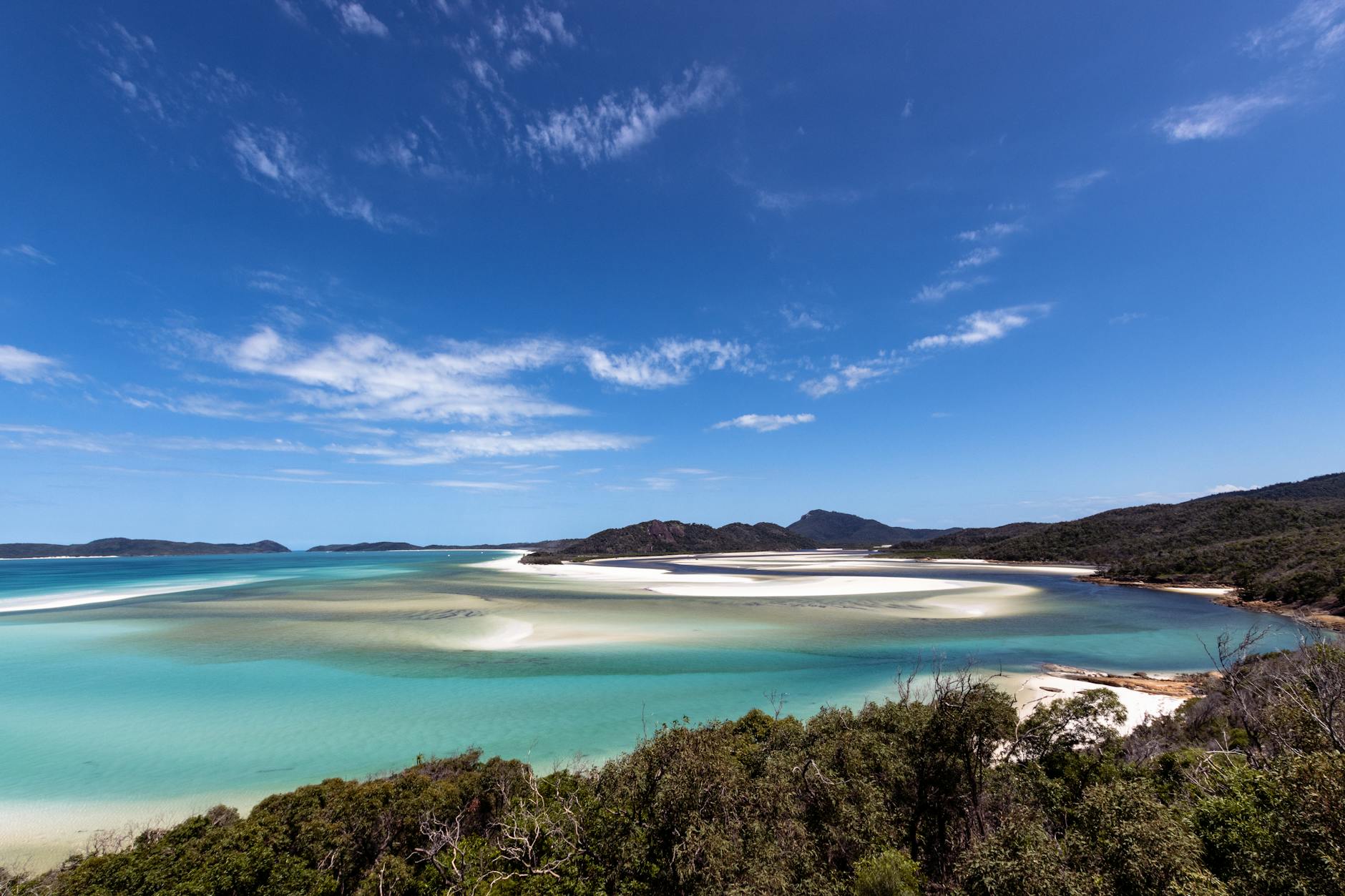
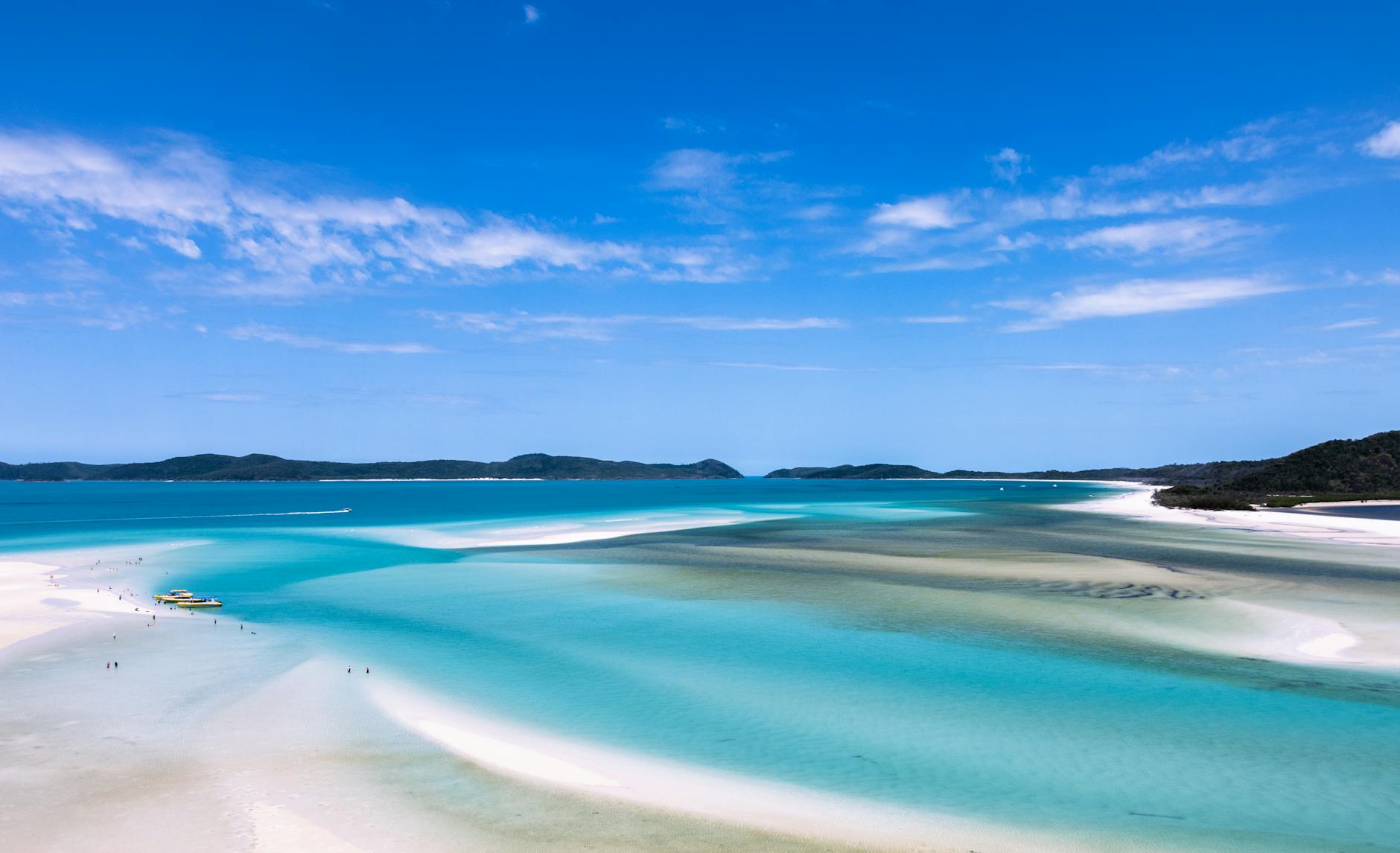
Step onto the generous sands of Hamilton Inlet Beach and feel the sheer scale of Labrador's wilderness unfold before you. This isn't a confined cove, but a broad, open expanse where the land meets the colossal Hamilton Inlet, offering views that stretch to the horizon. The air is fresh, carrying the clean scent of the northern sea, mingled with the earthy aroma of the surrounding boreal forest.
The beach itself is a patchwork of soft, pale sand, interspersed with the occasional smooth stone, shaped by the gentle ebb and flow of the inlet's waters. It's a canvas for the elements, where the light shifts dramatically with the passing clouds, painting the water in hues of steel gray, deep blue, and shimmering silver. You might spot distant icebergs in early summer, or watch seabirds dive for fish, underscoring the wild vitality of this remote location.
Credit: PexelsLong Walks
Credit: PexelsLandscape Photography
Miles of sandy shore
Vast inlet views
Peaceful solitude
Prime Visitation
Less Crowds
Where it is
Hamilton Inlet Beach
Hamilton Inlet, Newfoundland and Labrador, Canada
53.700000°, -59.800000°
Weather
Loading…
Swell
—
Temp
Warm · Restorative
UV Index
Moderate
Wind
—
Tidal State
Last known
Max Sunlight
—
Ideal Shade
—
May - Sep (Peak)
Jan - Dec (Off-season)
Historical data suggests peak visibility and stable sea temperatures occur during the prime visitation window.
Select a category to load nearby places.
Unlock restaurants, luxury stays and curated maritime experiences within 2km
Hamilton Inlet Beach offers sandy patches within a broad coastal inlet. While specific safety information for swimming can vary, the waters in this region tend to be cool, even in summer. Visitors should exercise caution, especially regarding currents and water temperature. There are generally no lifeguards on duty, so swimming is at your own risk. Always be aware of local conditions and weather advisories before entering the water.
To experience Hamilton Inlet Beach with fewer crowds, consider visiting during the shoulder seasons, typically late spring or early fall. While the summer months offer the warmest weather, they also tend to attract more visitors. Visiting outside of peak summer can provide a more serene experience, allowing you to fully appreciate the vast views and scenic beauty of this hidden gem without significant tourist presence.
Hamilton Inlet Beach is located in a relatively remote part of Newfoundland and Labrador, specifically the Central Labrador Coast. Access typically involves a combination of air travel to a regional hub, followed by smaller aircraft or potentially boat transport, depending on the exact starting point and time of year. Road access can be limited and challenging. It's advisable to research specific travel logistics and local transportation providers well in advance of your trip.
Given its remote location, food and lodging options directly at Hamilton Inlet Beach are likely very limited or non-existent. Visitors should plan to be self-sufficient, bringing their own provisions for day trips. Accommodation and dining would typically be found in larger nearby communities, which may still require significant travel. It's recommended to secure lodging and plan meals in advance, considering the distance to services.
Hamilton Inlet Beach is unique for its expansive coastal inlet area, featuring sandy patches and truly vast, unobstructed views of the Labrador landscape. It's a place where visitors can experience the raw, untamed beauty of the region. Beyond enjoying the sandy areas, it's an ideal spot for photography, quiet contemplation, and observing the natural environment. Its 'hidden' tag suggests a less developed, more natural experience.
Photos