Counting the wavesβ¦
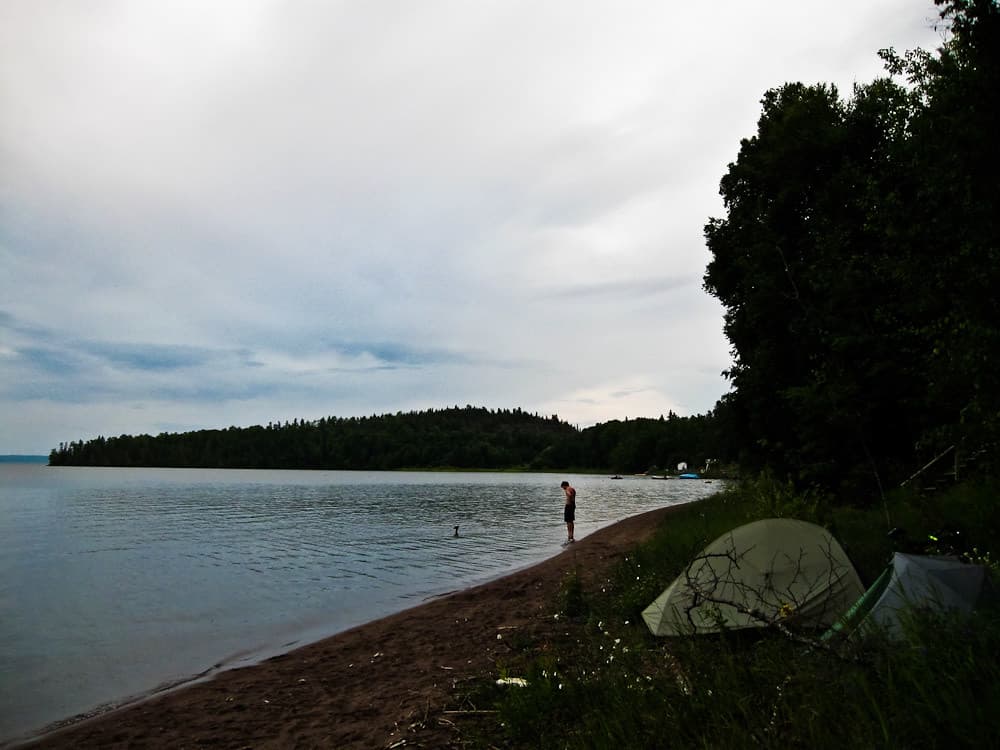
Step onto the expansive sands of Cape Kellett Beach and feel the immense scale of the Arctic. Here, the Beaufort Sea laps at a shoreline that seems to stretch into infinity, a canvas of subtle hues where pale sand meets the deep blue-grey of the ocean. The air, crisp and clean, carries the distant cries of seabirds and the whisper of the wind across the low-lying tundra. This is a landscape shaped by ice and time, a place where polar bears roam and muskoxen graze on the sparse vegetation. Your footprints will likely be the only fresh ones on this remote strand, offering a profound sense of solitude and connection to an untouched wilderness. The light, especially during the long summer days, casts a soft glow, illuminating the subtle textures of the sand and the distant, rolling hills. Cape Kellett is more than just a beach; it's a frontier. It's an invitation to witness the Arctic in its purest form, to stand at the edge of a continent and feel the pulse of a wild, vibrant ecosystem. Prepare for an experience that will redefine your understanding of natural beauty and remote splendor.
Places, rentals, tours and events within walking and driving distance of Cape Kellett Beach.
Photos
Cape Kellett Beach is located in the Arctic, meaning the water is consistently very cold, making swimming unsafe without specialized cold-weather gear. The expansive sandy shoreline is primarily for viewing and exploration, not recreational water activities. Visitors should be mindful of potential wildlife, such as polar bears, and exercise caution near the water's edge due to unpredictable Arctic conditions.
The best time to visit Cape Kellett Beach for optimal weather conditions is during the late summer months, typically July and August. During this period, temperatures are at their highest, ice conditions are more favorable for marine access, and there are extended hours of daylight. This timeframe offers the best chance to explore the expansive Arctic shoreline comfortably.
Access to Cape Kellett Beach is challenging and requires specialized Arctic travel arrangements. There are no roads or regular public transportation options. Visitors typically arrive via chartered aircraft to a nearby airstrip, followed by overland travel, or as part of an expedition cruise. Independent travel demands extensive planning, permits, and expertise in Arctic navigation and survival.
Cape Kellett Beach is in an extremely remote and undeveloped area. There are no commercial food or lodging facilities directly at or near the beach. Visitors must be entirely self-sufficient, bringing all necessary supplies, food, and shelter (e.g., tents). Expedition tours typically provide all logistical support, including meals and accommodation on board a vessel or in temporary camps.
Cape Kellett Beach is a prominent coastal landmark on Banks Island due to its expansive Arctic shoreline and strategic geographic position. As a significant cape, it marks a key point along the island's coast, offering vast, open views of the Arctic Ocean. Its remote and untouched nature, combined with its scale, makes it a quintessential example of the Arctic wilderness.