
Counting the waves…
Counting the waves…
A refined fusion of water purity, environmental stability, and communal vibrancy for Five Islands Provincial Park Beach.
View MethodologyAnalyzed via live sensors and environmental data.
Wave height, wind, and atmospheric stability.
Live footfall and crowd balance metrics.
Community reviews and curated sentiment.
“Immerse yourself in the dramatic landscape of Five Islands Provincial Park Beach, where the Bay of Fundy's colossal tides have carved iconic red cliffs and towering sea stacks. This is a place of geological wonder,…”
Limited recent visitor reports — live OBI telemetry is your best guide for current conditions.
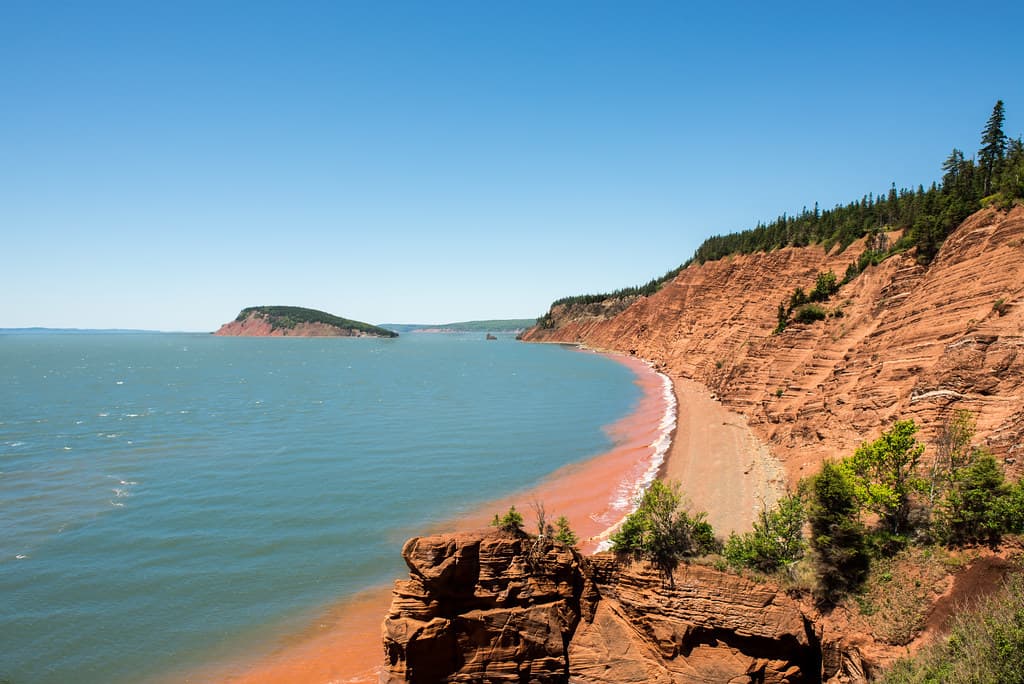
Five Islands Provincial Park Beach is a geological masterpiece, a place where the sheer power of the Bay of Fundy's tides is etched into the very landscape. Here, the iconic red cliffs rise dramatically from the shore, their vibrant hues contrasting against the deep blues and greys of the ocean. Offshore, the famous Five Islands – towering sea stacks – stand as silent sentinels, testament to millennia of erosion.
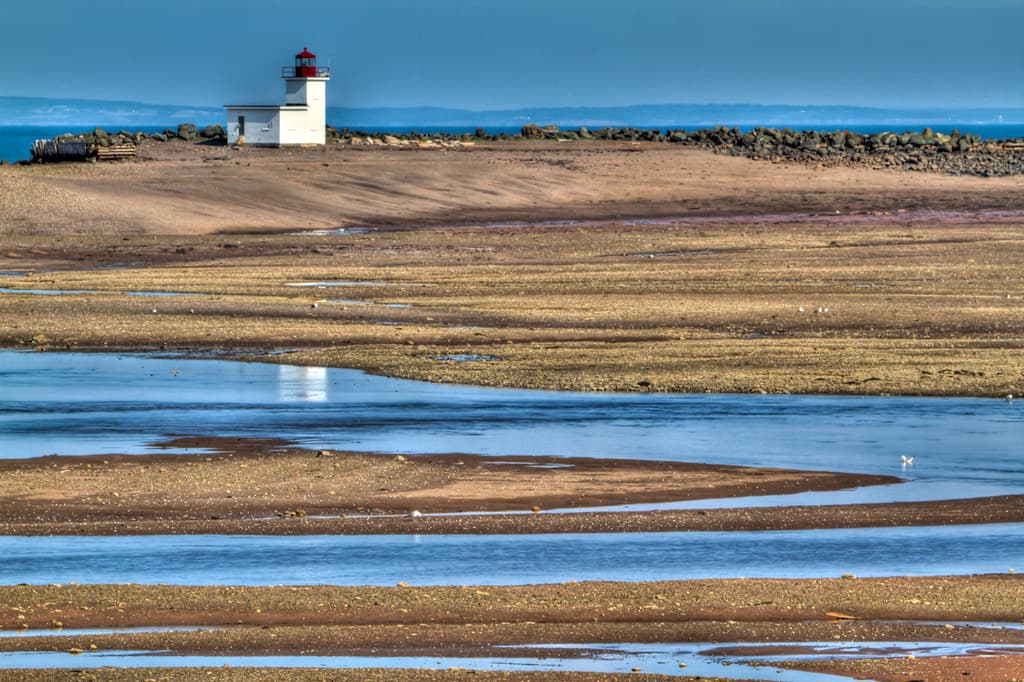
At low tide, the ocean recedes to reveal a vast, textured seabed, inviting visitors to walk among the ancient rock formations and explore the base of the cliffs. You'll discover intricate patterns in the mudflats, unique pebbles, and perhaps even small marine creatures left behind in tidal pools. The air is fresh and invigorating, carrying the scent of salt and damp earth, enhancing the sense of wild adventure.
Explore scenic paths
Capture iconic views
Discover marine life
Prime Visitation
Best Weather
Where it is
Five Islands Provincial Park Beach
Five Islands, Nova Scotia, Canada
45.393800°, -64.051200°
Weather
Loading…
Swell
—
Temp
Warm · Restorative
UV Index
Moderate
Wind
—
Tidal State
Last known
Max Sunlight
—
Ideal Shade
—
May - Sep (Peak)
Jan - Dec (Off-season)
Historical data suggests peak visibility and stable sea temperatures occur during the prime visitation window.
Select a category to load nearby places.
Unlock restaurants, luxury stays and curated maritime experiences within 2km
Swimming at Five Islands Provincial Park Beach requires caution due to the extreme Bay of Fundy tides. The water recedes dramatically at low tide, exposing vast mudflats, and returns quickly. Always check tide tables before visiting and be aware of your surroundings. The currents can be strong, and the water is generally cold. It's more common for visitors to explore the exposed ocean floor than to swim.
The best time to visit Five Islands Provincial Park Beach is during the warmer months, typically from late spring to early fall, for the most pleasant weather. To fully appreciate the iconic red cliffs and sea stacks, plan your visit around both low and high tide. Low tide allows for walking on the exposed ocean floor, while high tide showcases the dramatic water levels around the islands. Check local tide schedules.
Five Islands Provincial Park Beach is located in Five Islands, Nova Scotia, accessible via scenic coastal routes. From major highways, follow signs towards Five Islands Provincial Park. There is typically ample parking available within the provincial park area, often a short walk from the beach itself. The park is well-marked, making it relatively easy to find for visitors traveling by car.
While Five Islands Provincial Park Beach itself does not have on-site food or lodging, there are options available in the surrounding communities. Visitors can find campgrounds within the provincial park for overnight stays. For dining and other accommodations, nearby towns and villages offer a selection of restaurants, cafes, and guesthouses. It's advisable to check availability and book in advance, especially during peak season.
Five Islands Provincial Park Beach is renowned for its iconic red cliffs and distinctive sea stacks, which are dramatic geological formations sculpted by the powerful Bay of Fundy tides. These features, often referred to as the 'Five Islands,' are best viewed from various vantage points within the park. At low tide, you can walk on the exposed ocean floor and observe the unique rock formations up close, including the striking red sandstone.