Counting the waves…
Counting the waves…
A refined fusion of water purity, environmental stability, and communal vibrancy for Port Greville Beach.
View MethodologyAnalyzed via live sensors and environmental data.
Wave height, wind, and atmospheric stability.
Live footfall and crowd balance metrics.
Community reviews and curated sentiment.
“Journey to Port Greville Beach, a secluded coastal stretch where the Bay of Fundy's immense power is on full display. This rocky, untamed shore offers breathtaking views and a profound sense of remoteness, especially as…”
Limited recent visitor reports — live OBI telemetry is your best guide for current conditions.
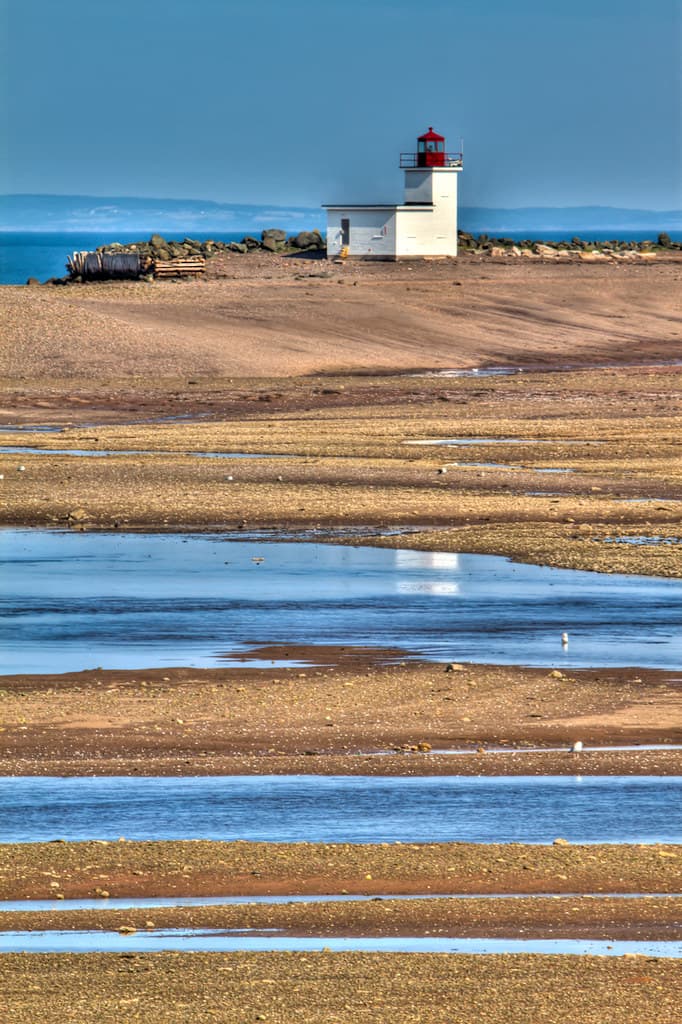
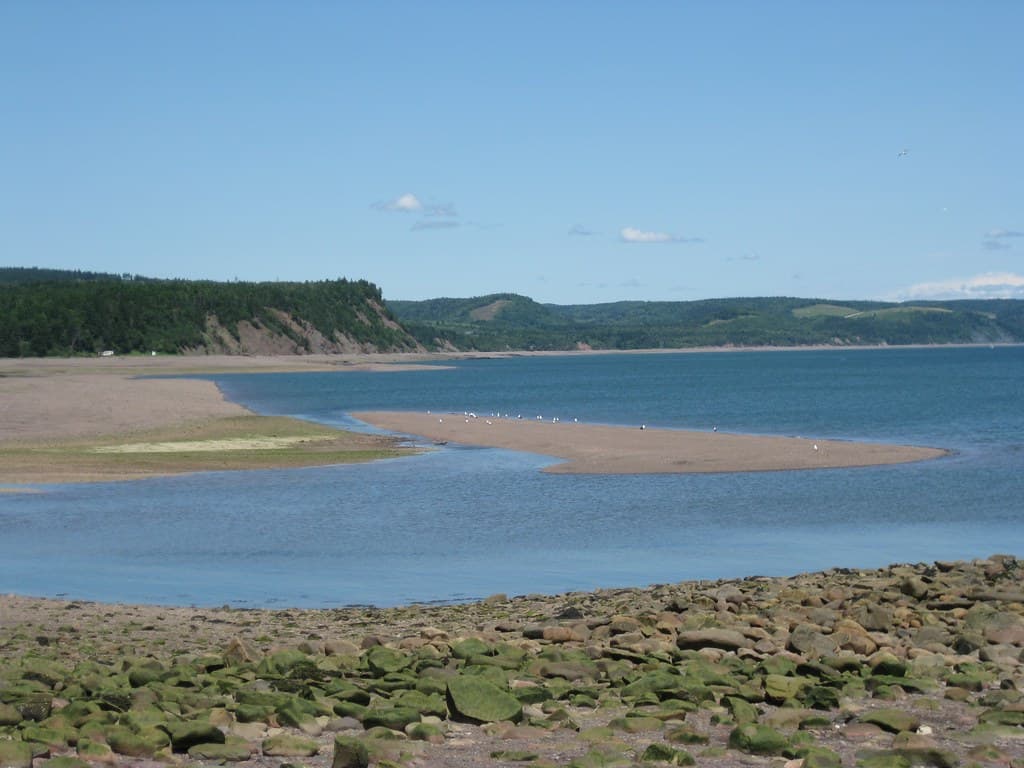
Port Greville Beach, tucked away near the dramatic landscapes of Cape Chignecto, is a rugged testament to the Bay of Fundy's relentless forces. Here, the shoreline is a tapestry of ancient stones, exposed bedrock, and tidal pools, all shaped by the world's highest tides. It's a place where the earth feels alive, constantly being sculpted and reshaped by the ocean's breath.
The air carries the scent of salt and damp rock, and the only sounds are the rhythmic ebb and flow of the tide and the distant cries of seabirds. This is a beach for the explorer, for those who seek solitude and a deep connection with the raw power of nature. You can spend hours examining the intricate patterns in the rocks, searching for unique geological specimens, or simply sitting in quiet contemplation as the vast expanse of the Minas Basin stretches before you.
Crystal lagoon with rocky outcrop
White cliffs over a desert beach
Wander rocky shore
Capture dramatic light
Search for unique rocks
Prime Visitation
Less Crowds
Where it is
Port Greville Beach
Port Greville, Nova Scotia, Canada
45.372200°, -64.550300°
Weather
Loading…
Swell
—
Temp
Warm · Restorative
UV Index
Moderate
Wind
—
Tidal State
Last known
Max Sunlight
—
Ideal Shade
—
May - Sep (Peak)
Jan - Dec (Off-season)
Historical data suggests peak visibility and stable sea temperatures occur during the prime visitation window.
Select a category to load nearby places.
Unlock restaurants, luxury stays and curated maritime experiences within 2km
Port Greville Beach is a rocky beach situated on the Bay of Fundy, specifically the Minas Basin, an area known for the world's highest tides. Due to the strong currents, rocky bottom, and significant tidal fluctuations, it is generally not recommended for swimming. Visitors should always be aware of the tide schedule and exercise extreme caution when exploring the shoreline to avoid being cut off by the incoming tide.
The best time to visit Port Greville Beach for scenic views and to avoid crowds is typically during the shoulder seasons (spring or fall) or on weekdays during the summer. As a remote coastal stretch, it naturally sees fewer visitors than more accessible beaches. Visiting during these times will allow for a more peaceful experience, ideal for photography and appreciating the rugged beauty of the Bay of Fundy.
Port Greville Beach is located in Port Greville, Nova Scotia, near the Cape Chignecto area on the Minas Basin. As a remote coastal stretch, access may involve traveling on less-developed roads. It's advisable to use a detailed map or GPS for navigation, as direct signage might be limited. Access is generally by car, and visitors should be prepared for a more rustic approach to reach this secluded spot.
Given its description as a remote coastal stretch, Port Greville Beach is unlikely to have direct food services or lodging facilities. Visitors should plan to bring any necessary refreshments. For accommodations and dining, you would need to look to nearby communities in the larger Port Greville or Parrsboro area, which would require a short drive from the beach.
Port Greville Beach offers a unique experience as a remote coastal stretch near the dramatic Cape Chignecto area. Its rocky terrain and location on the Bay of Fundy provide stunning scenic views, especially at sunset. It's an ideal spot for those seeking solitude, photography opportunities, and a chance to witness the powerful tidal forces and rugged beauty characteristic of this part of Nova Scotia.
Photos