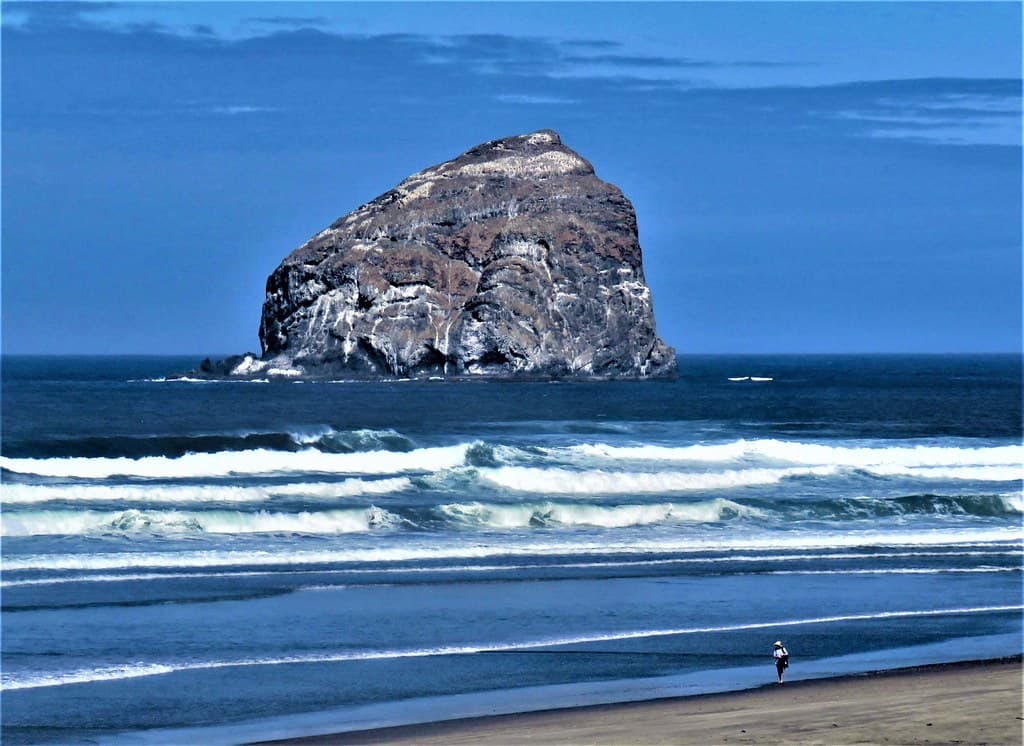
Counting the waves…
Counting the waves…
Cape Columbia Beach is not merely a stretch of coastline; it is a geographical exclamation point, the northernmost terrestrial point of Canada and the entire North American continent. Here, on the edge of Ellesmere Island, the land gives way to the Arctic Ocean in a dramatic convergence of rock, ice, and frigid water. The beach itself is a testament to the relentless forces of the high Arctic: a jumble of frost-shattered boulders and gravel, sculpted by millennia of ice movement and powerful winds. The air at Cape Columbia carries a biting chill, even in the brief summer, and the silence is immense, broken only by the groaning of distant ice floes or the occasional cry of an Arctic tern. This is a landscape of stark beauty, where life clings tenaciously to existence. Lichens paint subtle hues on the rocks, and hardy mosses form miniature ecosystems in sheltered crevices. The sky above often presents a spectacle of dramatic cloud formations, or in the perpetual daylight of summer, an ethereal, low-slung sun. Visiting Cape Columbia Beach is an expedition into the extreme. It’s a place that humbles, inspires, and offers a profound connection to the planet's raw, untamed power. Standing on this remote shore, gazing out at the endless expanse of the Arctic Ocean, you feel the weight of history—of explorers who pushed boundaries, and the enduring majesty of a wilderness that remains largely unconquered.
Places, rentals, tours and events within walking and driving distance of Cape Columbia Beach.
Photos
Swimming at Cape Columbia Beach is generally not recommended due to extremely cold Arctic waters, even during the warmest months. The water temperature remains near freezing year-round, posing significant hypothermia risks. There are no lifeguards or facilities, and the rocky terrain can be challenging. Visitors should prioritize safety and be prepared for harsh environmental conditions.
The best time to visit Cape Columbia Beach is during the brief Arctic summer, typically from late June to August, when temperatures are at their highest and daylight is continuous. This period offers the most favorable weather for exploration, though conditions remain cold and unpredictable. Outside of these months, the beach is often covered in ice and snow, making access extremely difficult and hazardous.
Accessing Cape Columbia Beach is exceptionally challenging due to its extreme northern location. It is primarily reached via specialized Arctic expeditions, often involving icebreakers, chartered flights to Alert, and then further ground or air transport. There are no public roads or regular commercial services. Visitors typically travel as part of organized scientific or adventure tours with extensive logistical support.
There are no commercial food or lodging options directly at or near Cape Columbia Beach. The nearest settlement is Alert, a military and research station, which does not offer public accommodations. Visitors typically stay on expedition vessels, in temporary field camps, or utilize facilities at Alert if part of an authorized program. All food, supplies, and shelter must be brought in by visitors or their expedition organizers.
Cape Columbia Beach holds the distinction of being the northernmost land beach in the world, making it a truly unique geographical landmark. Its extreme Arctic location means it experiences continuous daylight in summer and continuous darkness in winter, with a landscape shaped by ice, permafrost, and polar weather. This remote, rocky shoreline offers an unparalleled glimpse into the planet's most extreme environments.