Counting the wavesβ¦

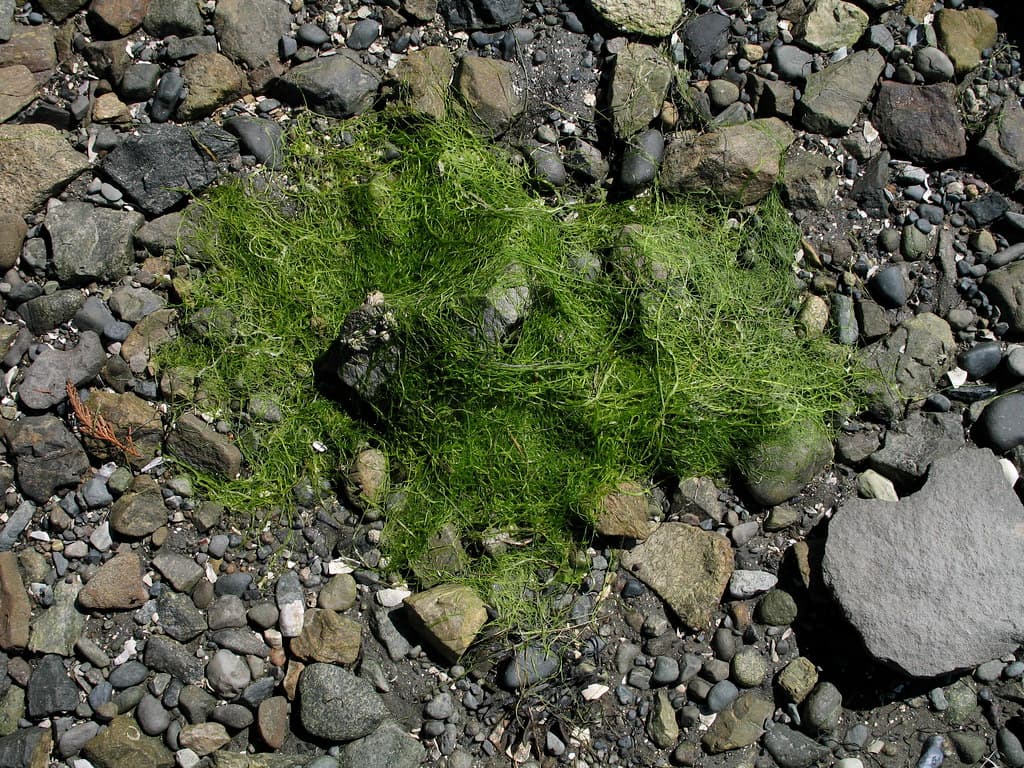
Cape Christian Beach, a rugged pebble shoreline near Clyde River, represents the quintessential isolated Arctic experience. Here, the land meets the vast, often ice-flecked waters of Baffin Bay in a dramatic display of natural forces. The beach itself is a mosaic of smooth, grey and brown pebbles, polished by countless tides and the relentless grind of ice. The air is bracing, carrying the scent of salt and the distant calls of seabirds that nest on the nearby cliffs. This cape is a known haven for Arctic wildlife; you might spot seals basking on rocks, or even polar bears patrolling the shoreline in search of food. The surrounding tundra, a tapestry of muted greens and browns, stretches inland, dotted with hardy Arctic flora that clings to life in this harsh environment. This is a place for profound solitude and unparalleled wildlife viewing, far from any human imprint. It's a destination that demands respect for its raw power and rewards with an authentic, unfiltered glimpse into the Arctic ecosystem. Cape Christian Beach is more than just a beach; it's a frontier, a place to witness the enduring wildness of Nunavut and feel truly connected to the planet's remote, majestic edges.
Places, rentals, tours and events within walking and driving distance of Cape Christian Beach.
Photos
Swimming at Cape Christian Beach is generally not recommended due to the extremely cold Arctic waters and the remote location. Safety considerations include unpredictable weather, potential wildlife encounters (such as polar bears), and the absence of emergency services. Visitors should always travel with experienced guides, be prepared for harsh conditions, and prioritize warm clothing and appropriate gear over water activities.
The best time to visit Cape Christian Beach is during the 'Best Weather' period, typically the short Arctic summer months (late June to August). During this time, temperatures are milder, daylight hours are extended, and sea ice has often receded, making access easier. However, 'best weather' in the Arctic still means being prepared for cold temperatures, wind, and potential rain or snow at any time.
Accessing Cape Christian Beach, located near Clyde River, Nunavut, typically involves a combination of air travel and local transportation. Visitors would fly to Clyde River, often via Iqaluit. From Clyde River, further travel to the beach would likely require specialized local transport, such as boat charters during ice-free months or snowmobile/dog sled in winter, arranged through local outfitters or guides due to the remote and challenging terrain.
Given the extreme remoteness of Cape Christian Beach, there are no direct food or lodging options at the beach itself. Visitors would need to base themselves in Clyde River, where limited guesthouse or hotel accommodations are available. Food supplies should be purchased in Clyde River, or brought in, as dining options are scarce. Expeditions to the beach typically involve packed meals and potentially camping, requiring self-sufficiency.
Cape Christian Beach stands out as an isolated Arctic shoreline, offering an untouched glimpse into the high Arctic environment. Its pebble composition and remote location on Baffin Island contribute to a unique sense of wilderness. The 'hidden' and 'remote' tags highlight its pristine nature, making it a destination for those seeking profound solitude and an authentic experience of the Arctic's raw beauty, far from human development.