Counting the waves…
Counting the waves…
A refined fusion of water purity, environmental stability, and communal vibrancy for Praia de Ervatão.
View MethodologyAnalyzed via live sensors and environmental data.
Wave height, wind, and atmospheric stability.
Live footfall and crowd balance metrics.
Community reviews and curated sentiment.
“Step onto Praia de Ervatão, a rugged eastern beach where the Atlantic's power meets a critical ecological mission. This isn't just a scenic spot; it's a wild turtle nesting ground, offering a profound connection to…”
Limited recent visitor reports — live OBI telemetry is your best guide for current conditions.
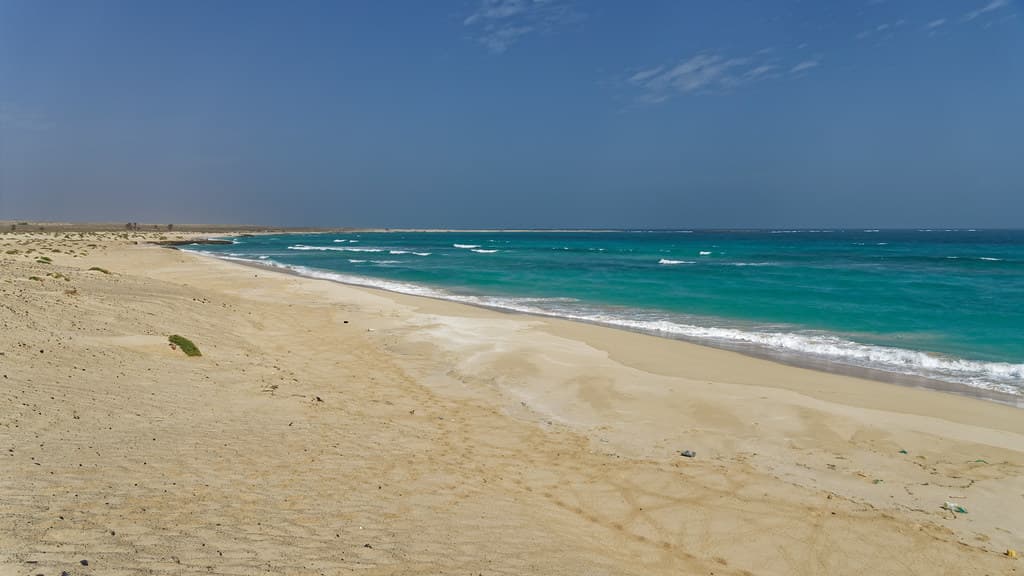
Praia de Ervatão is a testament to Boa Vista's wild heart, a sweeping expanse of sand on the island's eastern flank. The ocean here is a vibrant, churning blue, often displaying a powerful surf that speaks to its open Atlantic exposure. This raw beauty, however, holds a deeper significance.
This beach is one of the most important nesting sites for loggerhead sea turtles in the entire Atlantic. From June to October, female turtles emerge from the waves under the cloak of darkness to lay their eggs in the warm sand, a spectacle of ancient instinct and survival. Observing this, often with guided tours, is a humbling experience.
 Credit: Unsplash
green trees near sea under blue sky during daytime
 Credit: Unsplash
a bird's eye view of a beach and ocean
Turtle nesting (seasonal)
Vast sandy landscapes
Ocean treasures
Prime Visitation
Less Crowds
Where it is
Praia de Ervatão
João Galego, Boa Vista, Cape Verde
16.062300°, -22.731700°
Weather
Loading…
Swell
—
Temp
Warm · Restorative
UV Index
Moderate
Wind
—
Tidal State
Last known
Max Sunlight
—
Ideal Shade
—
Jan - Dec (Peak)
May - Nov (Off-season)
Historical data suggests peak visibility and stable sea temperatures occur during the prime visitation window.
Near Praia de Ervatão
Explore dining, stays, nightlife, and activities near Praia de Ervatão in João Galego, Cape Verde. Every listing below is a real place linked to this beach — open a card for reviews, maps, and booking options.
Activities, tours, and attractions near Praia de Ervatão.
Select a category to load nearby places.
Unlock restaurants, luxury stays and curated maritime experiences within 2km
Swimming at Praia de Ervatão requires caution due to strong Atlantic currents, powerful waves, and the exposed nature of this wild coastline. The beach has no lifeguards or safety facilities, and the remote location means emergency assistance would take time to arrive. The waters can be particularly rough, with undertows common along Boa Vista's undeveloped shores. While experienced swimmers might venture in during calmer conditions, this beach is better appreciated for its natural beauty and turtle nesting habitat rather than swimming. Always assess conditions carefully and prioritize safety over entering the water at this isolated location.
Sea turtle nesting season at Praia de Ervatão typically runs from June to October, with loggerhead turtles being the primary species. Females come ashore at night to lay eggs, with peak activity usually between July and September. Hatchlings emerge approximately 60 days after eggs are laid, generally from August through November. To observe nesting turtles, visit during nighttime hours with an authorized guide, as disturbing nesting turtles is prohibited and can harm conservation efforts. Responsible ecotourism operators in Boa Vista offer guided turtle-watching excursions. Always maintain distance, avoid flash photography, and follow local guidelines to protect these endangered creatures.
Praia de Ervatão is located on Boa Vista's eastern coast near João Galego, requiring a journey across the island from Sal Rei. Access typically requires a 4x4 vehicle due to rough, unpaved roads and sandy terrain. The trip takes approximately 30-45 minutes depending on conditions. Most visitors join organized island tours or hire a local guide with appropriate transportation. Independent travel is possible with a rental 4x4, but experience driving in sand is helpful. Given the remote location, it's wise to travel with others, bring adequate supplies including water and sun protection, and inform someone of your plans before departing.
Praia de Ervatão is a completely wild, undeveloped beach with absolutely no facilities available. There are no restaurants, shops, restrooms, shade structures, or drinking water sources at the beach. The remote location near João Galego means nearby infrastructure is minimal. Visitors must be completely self-sufficient, bringing all necessary supplies including plenty of water, food, sun protection, and any other essentials. The nearest town with services is Sal Rei, where hotels, restaurants, and shops are located. This lack of development preserves the beach's natural state and importance as a turtle nesting habitat.
Praia de Ervatão is a critical nesting site for endangered loggerhead sea turtles (Caretta caretta), which return to Boa Vista's beaches annually to lay eggs. Cape Verde hosts one of the world's most important loggerhead populations, and remote beaches like Ervatão provide undisturbed habitat essential for successful reproduction. The beach's wild, undeveloped character protects nesting sites from human interference and light pollution that can disorient hatchlings. Conservation organizations monitor and protect nests here, and the area's isolation helps ensure turtle survival. Visitors should respect marked nesting areas, avoid disturbing the beach environment, and only observe turtles with authorized guides following strict protocols.
Photos