Counting the wavesβ¦

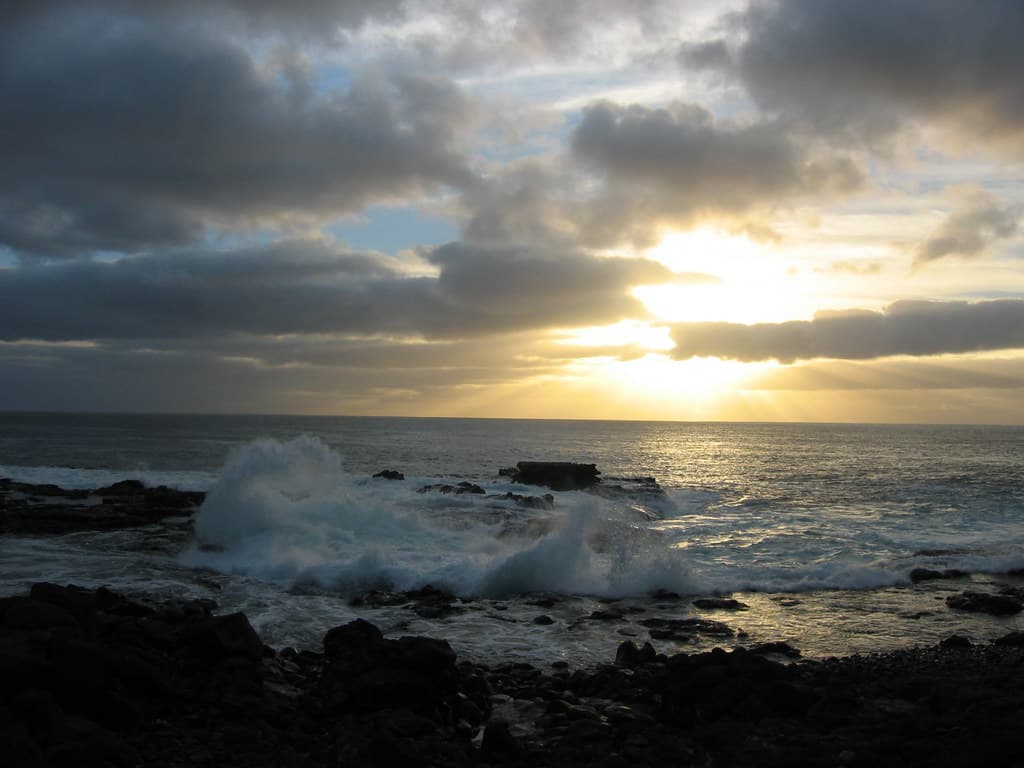
Cascalho Beach is a testament to Sal's diverse geology, a rugged and dramatic stretch of coastline near Espargos that offers a powerful encounter with nature. Unlike the island's soft sandy beaches, Cascalho is defined by its dark, volcanic rock formations, sculpted by the relentless force of the Atlantic. The air is filled with the scent of salt and the roar of crashing waves, creating an invigorating atmosphere. This isn't a beach for sunbathing or swimming in calm waters, but rather for exploration and contemplation. You'll find fascinating tide pools teeming with marine life, intricate rock formations to clamber over, and dramatic vistas that stretch to the horizon. It's a photographer's dream, with endless opportunities to capture the raw beauty of the Cape Verdean coast. The powerful currents and sharp rocks demand respect, making it a place to observe and appreciate from a safe distance. Cascalho Beach offers a unique perspective on Sal, revealing its wilder, more untamed spirit. Itβs a reminder that beauty comes in many forms, and sometimes the most captivating landscapes are those that are rugged and unyielding.
Places, rentals, tours and events within walking and driving distance of Cascalho Beach.
Photos
Cascalho Beach is rocky rather than sandy, making it less suitable for traditional swimming. The northwest shoreline faces open Atlantic waters with often turbulent conditions, strong currents, and waves breaking over rocks and boulders. This is not a beach for casual swimmers or families with children. The rocky terrain can be slippery and hazardous, especially when wet. Experienced ocean enthusiasts might enjoy tide-pooling or watching the dramatic wave action from safe vantage points. There are no lifeguards or safety services. If you do enter the water, wear protective footwear and exercise extreme caution around rocks and surges.
Visit Cascalho Beach during the dry season from November to June for the best weather and visibility. The beach is particularly striking during periods of strong surf when waves crash dramatically against the rocky shore, creating impressive natural displays. Early morning or late afternoon offers excellent photography light and typically fewer winds. Given its rugged nature and lack of crowds, any time provides solitude. Winter months (December-March) bring cooler temperatures ideal for exploring without intense heat. Avoid the rainy season (August-October) when conditions can be unpredictable. This beach rewards visitors interested in coastal geology and seascapes rather than sunbathing.
Cascalho Beach is located on Sal's northwest coast near Espargos, making it one of the more accessible hidden beaches if you have transportation. From Espargos town center, it's a short drive of 3-5 kilometers, though roads may be unpaved or poorly marked. A rental car, scooter, or taxi is recommended as public transport is limited. From Santa Maria (approximately 18 kilometers south), plan for a 20-25 minute drive. Ask locals for current directions as signage may be minimal. The final approach might require parking and walking across rocky terrain, so wear sturdy footwear and be prepared for uneven ground.
Cascalho Beach has no facilities, being a rugged, undeveloped coastal area valued for its natural state. There are no restaurants, bathrooms, shade structures, or services of any kind. Given its proximity to Espargos, the island's second-largest town, you can easily access supermarkets, cafes, and guesthouses within a few kilometers. Pack all necessary supplies including water, snacks, sun protection, and a first-aid kit. After exploring the rocky shore, return to Espargos for meals and amenities. The beach is best experienced as a short excursion rather than an all-day destination, given the lack of comfort facilities.
Unlike Sal's famous sandy beaches, Cascalho offers a dramatically different coastal experience with its rocky, rugged terrain. The northwest exposure creates powerful wave action and striking geological features, appealing to photographers and nature enthusiasts rather than sunbathers. It showcases Sal's volcanic origins through interesting rock formations, tide pools, and raw Atlantic scenery. The beach provides a stark contrast to tourist-oriented Santa Maria, offering authentic coastal wilderness minutes from Espargos. Its obscurity means genuine solitude and discovery value for travelers seeking experiences beyond mainstream beach lists. This is where you experience Cape Verde's untamed marine environment rather than resort comforts.