Counting the waves…
Counting the waves…
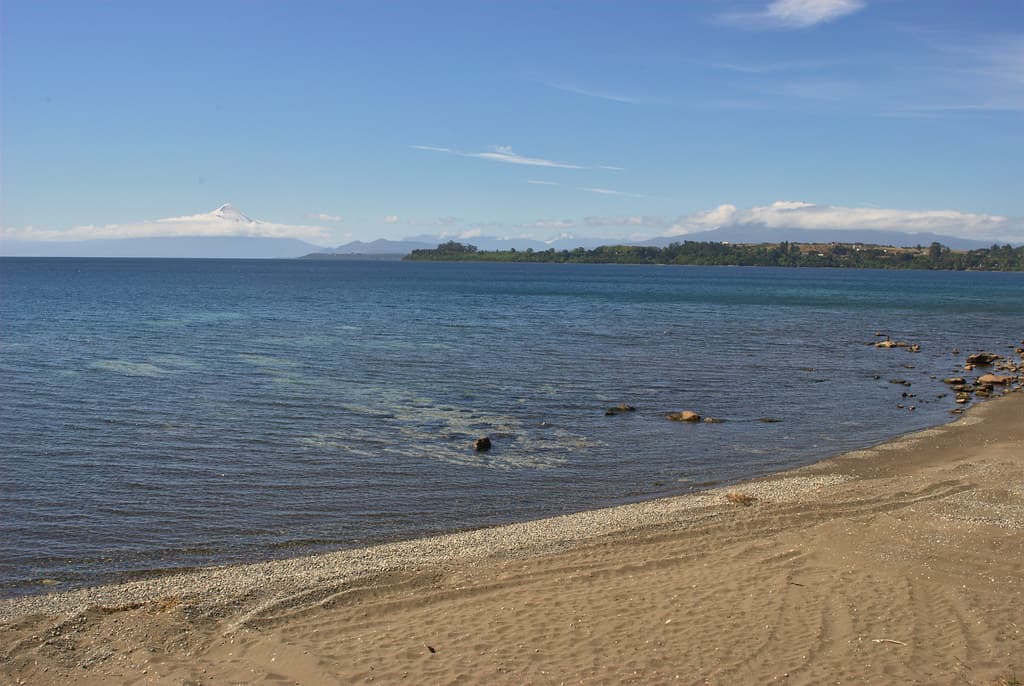
Playa Chonchi, nestled on the picturesque coast of Chiloé Island, is celebrated for its distinctive white sands and exceptional snorkeling opportunities. Unlike the darker sands found elsewhere in the region, Chonchi's bright, almost luminous shoreline creates a striking contrast with the deep blue of the Pacific. This unique geological feature enhances the water's clarity, making it an ideal window into the vibrant marine life below. Beneath the surface, a fascinating world awaits. Snorkelers are treated to a kaleidoscope of colors, with various fish species darting among swaying kelp forests and intriguing rock formations. The calm conditions often found here make it accessible for both novice and experienced snorkelers to explore at their leisure. The air carries a refreshing ocean breeze, mingled with the subtle scent of salt and seaweed, adding to the authentic coastal experience. Beyond its underwater allure, Playa Chonchi offers a tranquil setting for those who prefer to stay on land. The expansive white sand is perfect for sunbathing, beachcombing, or simply enjoying the panoramic views of the ocean. Its fame is well-deserved, stemming from this perfect marriage of stunning natural aesthetics and rich marine biodiversity, making it an irreplaceable destination for anyone visiting the Los Lagos coast.
Places, rentals, tours and events within walking and driving distance of Playa Chonchi.
Photos
Playa Chonchi is located on Chiloé Island with cold Pacific waters, so swimmers should be prepared for chilly temperatures even in summer. Water conditions can vary, so check locally before entering. For snorkeling, water clarity depends on weather and tides—calmer days offer better visibility. Always snorkel with a buddy and wear appropriate thermal protection. The beach's white sand and natural setting make it appealing, but be aware of changing tides and currents. Local guidance is recommended for safe snorkeling spots.
The best weather at Playa Chonchi typically occurs during Chilean summer months from December to March, when temperatures are mildest and rainfall is lower. However, Chiloé's climate is known for being unpredictable and often rainy year-round. Even in summer, bring rain gear and layers. January and February offer the warmest temperatures and longest daylight hours. For snorkeling, calmer seas and better visibility usually occur during stable high-pressure weather systems. Check extended forecasts and be prepared for variable conditions regardless of season.
To reach Playa Chonchi, you must first get to Chiloé Island via ferry from Pargua (mainland) to Chacao. From the main island town of Ancud or Castro, drive or take a bus south to Chonchi town, which takes 30-60 minutes depending on your starting point. Chonchi is well-connected by regional buses. From Chonchi town center, the beach is accessible by local taxi or a short walk. Having a car allows easier access and flexibility to explore multiple beaches around Chiloé Island.
Chonchi town offers various accommodation options including small hotels, hospedajes (guesthouses), and cabañas reflecting traditional Chiloé architecture. Options range from budget to mid-range, with many featuring charming historic buildings. Local restaurants serve typical Chiloé cuisine including seafood specialties like curanto (seafood stew), fresh fish, and shellfish. You'll find cozy cafés and family-run eateries throughout town. The weekly market offers fresh local produce and artisanal products. Booking ahead during summer months (December-February) is advisable as this beach is increasingly popular.
Playa Chonchi's reputation for snorkeling stems from its white sand bottom and relatively clear waters that provide good visibility on calm days. The area's marine biodiversity reflects the unique cold-water ecosystem of Chiloé's coast, potentially offering sightings of various fish species, sea stars, and other marine life. The beach's natural beauty and less-developed surroundings contribute to its appeal. However, snorkeling conditions depend heavily on weather and season. The combination of accessible location, scenic setting, and marine life makes it notable among Chiloé's beaches.