Counting the wavesβ¦
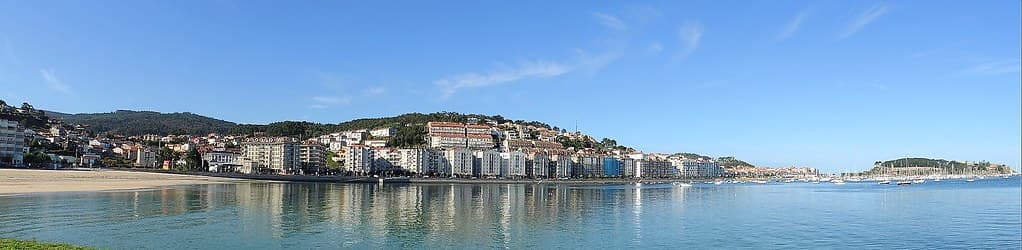
Playa Hornos, located in the legendary Cabo de Hornos region, is a testament to the raw, untouched beauty of southern Chile. This secluded sandy beach is not easily found, which only adds to its allure for those who seek genuine escape. The journey itself is an adventure, leading you to a pristine cove where the only sounds are the gentle lapping of waves and the cries of seabirds. Upon arrival, you'll be greeted by a soft, pale sand beach, remarkably sheltered from the often-fierce Patagonian winds. The water, though bracing, is clear and inviting on calmer days, perfect for a refreshing dip or for children to safely explore the tide pools. The surrounding landscape is rugged and wild, with low-lying vegetation and dramatic rock formations that tell tales of ancient geological forces. What makes Playa Hornos truly special is its sense of intimacy and discovery. It's a place where families can spread out, build sandcastles without interruption, and simply revel in the quiet majesty of nature. This isn't a beach with bustling amenities; it's an invitation to disconnect and immerse yourself in the profound tranquility of one of the world's most remote and beautiful corners.
Places, rentals, tours and events within walking and driving distance of Playa Hornos.
Photos
Visiting Playa Hornos requires serious planning as it's located near Cape Horn, one of the world's most remote and weather-exposed areas. The extreme isolation, unpredictable weather, and cold temperatures make it challenging for families. However, if you reach the area as part of an organized cruise or expedition with proper support, families can safely experience this historic location from shore. Water activities are not recommended due to frigid temperatures and dangerous conditions. The adventure of visiting such a remote location can be memorable for older children, but requires appropriate preparation, clothing, and realistic expectations about conditions.
Playa Hornos naturally has fewer crowds year-round due to its extreme remoteness near Cape Horn. The few visitors who arrive typically come via expedition cruises or sailboats during southern summer (December-February) when weather is marginally better and seas are slightly calmer. Shoulder seasons (November and March) offer even more solitude but harsher conditions. Winter visits are extremely rare due to severe weather and limited daylight. Even during peak season, you'll rarely encounter crowds. Access is so limited and weather-dependent that simply reaching the area requires flexibility and accepting that landings may not be possible.
Reaching Playa Hornos is exceptionally challenging and requires joining specialized expedition cruises departing from Ushuaia (Argentina) or Punta Arenas (Chile), or sailing privately. These multi-day voyages navigate the legendary waters around Cape Horn, with landings entirely weather-dependent. No roads, airports, or regular ferries serve this remote location. Most expeditions last several days and include visits to other locations in Tierra del Fuego and the Chilean fjords. Weather cancellations are common even for planned landings. This is one of the world's most difficult beaches to access, requiring significant time, budget, and flexibility.
There are no permanent accommodations, restaurants, or services at or near Playa Hornos due to its extreme isolation. Visitors stay aboard expedition cruise ships or private vessels that provide all meals and lodging. These ships typically offer comfortable cabins and full meal service as part of package pricing. A small Chilean naval station near Cape Horn has limited facilities but is not accessible to general tourists. All food, water, and supplies must be brought by vessel. Emergency services are extremely limited or nonexistent. This makes proper expedition planning and choosing reputable operators essential for safety and comfort.
Playa Hornos holds special appeal for adventurous families seeking truly unique experiences at one of the world's most legendary maritime locations. Standing near Cape Horn represents reaching the end of the earth, creating powerful memories and teaching children about exploration, history, and nature's power. The journey itself becomes an educational adventure about geography, weather, and navigation. Families who successfully visit often describe it as a once-in-a-lifetime achievement. The dramatic scenery, wildlife spotting opportunities (seabirds, possibly whales or seals), and the sheer remoteness create bonding experiences that standard beach vacations cannot match.