
Counting the waves…
Counting the waves…
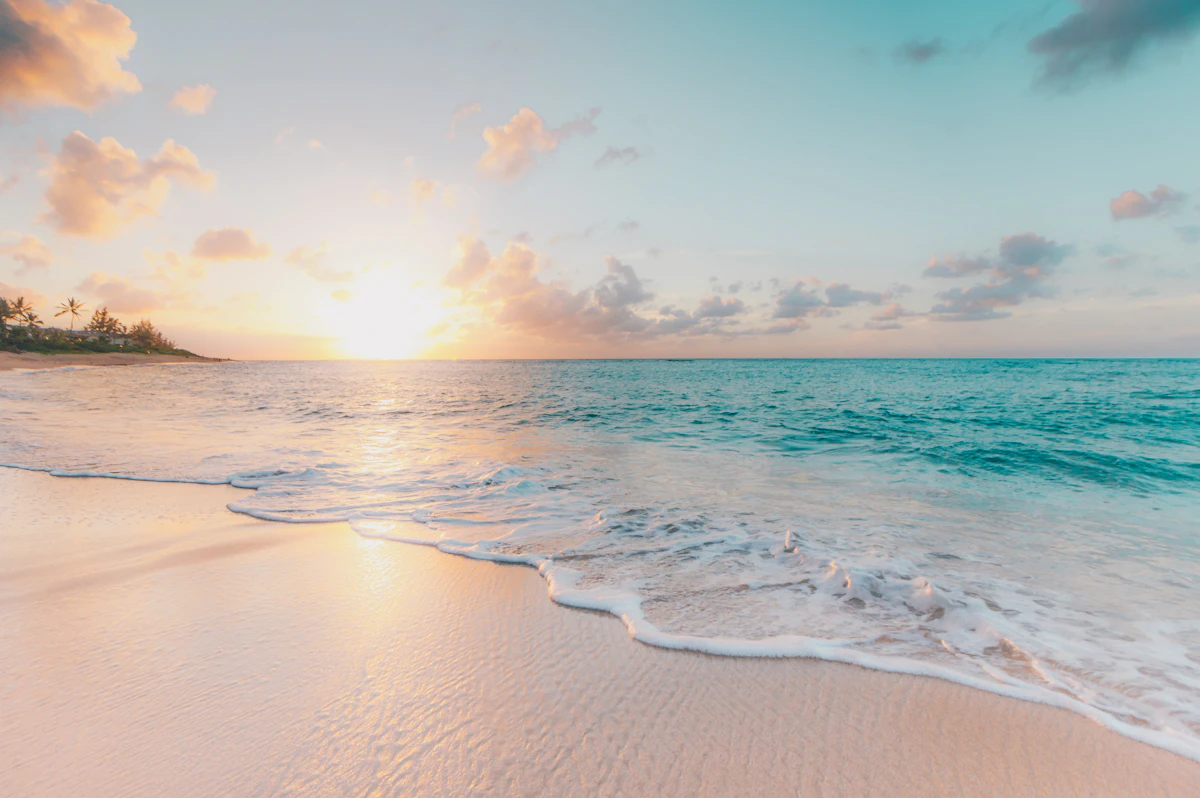
The drive inland from the Pacific surprises first-timers—this beach exists not on the coast but along the Mataquito River, where sandbars emerge each summer like seasonal islands. You'll park near the eucalyptus grove and follow families carrying coolers down the grassy bank. The sand here is golden-brown, fine enough to stick to wet feet, coarse enough to shake off easily. Mid-morning brings the aroma of grilled meat from family setups scattered along the shore. You'll hear cumbia from someone's radio, children's voices rising as they construct elaborate sand fortifications, the soft splash of teenagers jumping from the rope swing tied to an overhanging branch. The water temperature shocks at first entry—snowmelt from the Andes keeps it brisk even in January—but you adjust within minutes. Late afternoon light slants through the willows, casting moving shadows across picnic blankets where grandmothers deal cards and uncles doze with newspapers over their faces. This is Chilean domestic leisure at its most unvarnished: thermoses of tea, plastic bags of sopaipillas, someone's dog fetching sticks from the shallows. You won't find cabanas or lifeguards here, just the unhurried rhythm of families who've been coming to this riverbank for generations.
Places, rentals, tours and events within walking and driving distance of Playa de los Baños.
Photos
Playa de los Baños is generally considered family-friendly, which is why it's popular among locals for family outings. However, as with any beach, parental supervision is essential. Ocean conditions can vary, so always check wave strength and currents before allowing children to swim. Choose calmer days for young children and keep them in shallow water. The beach's popularity with local families suggests it has relatively manageable conditions, but safety depends on weather, tides, and individual swimming abilities. Always prioritize caution.
The best time to visit Playa de los Baños is during Chile's summer months from December through February, when temperatures are warmest and weather is most favorable for beach activities. This period coincides with Chilean school holidays, so expect more local families and a livelier atmosphere. Spring (October-November) and autumn (March-April) offer milder weather with fewer crowds if you prefer a quieter experience. Winter visits are possible but bring colder temperatures and less predictable weather, though you'll have the beach mostly to yourself.
Playa de los Baños is accessed from Curicó, which is located inland in the Maule Valley. Curicó sits along the Pan-American Highway (Route 5) about 200 kilometers south of Santiago. From Curicó, you'll need to travel westward toward the coast. The journey typically requires private transportation such as a rental car or organized tour, as direct public transit to coastal beaches from Curicó may be limited. Confirm current road conditions and exact directions locally, as routes to smaller beaches can vary.
As a hidden gem popular mainly with locals, Playa de los Baños likely has limited facilities directly at the beach. Most accommodation and dining options will be found in nearby coastal towns or back in Curicó itself. Visitors typically bring their own food and supplies for a day trip. During peak season, you might find small food vendors or informal eateries, but it's wise to come prepared. For overnight stays, look for accommodations in the nearest coastal settlement or plan day trips from Curicó.
Playa de los Baños has earned its reputation as a local favorite because it offers a more intimate, less commercialized beach experience away from major tourist crowds. The beach's name, meaning 'Beach of the Baths,' suggests it has suitable conditions for swimming and wading. Its hidden gem status means families can enjoy a more relaxed, authentic Chilean coastal experience. The scenic setting and sandy beach provide space for children to play while adults relax, creating an ideal environment for family bonding away from urban areas.