Counting the wavesβ¦
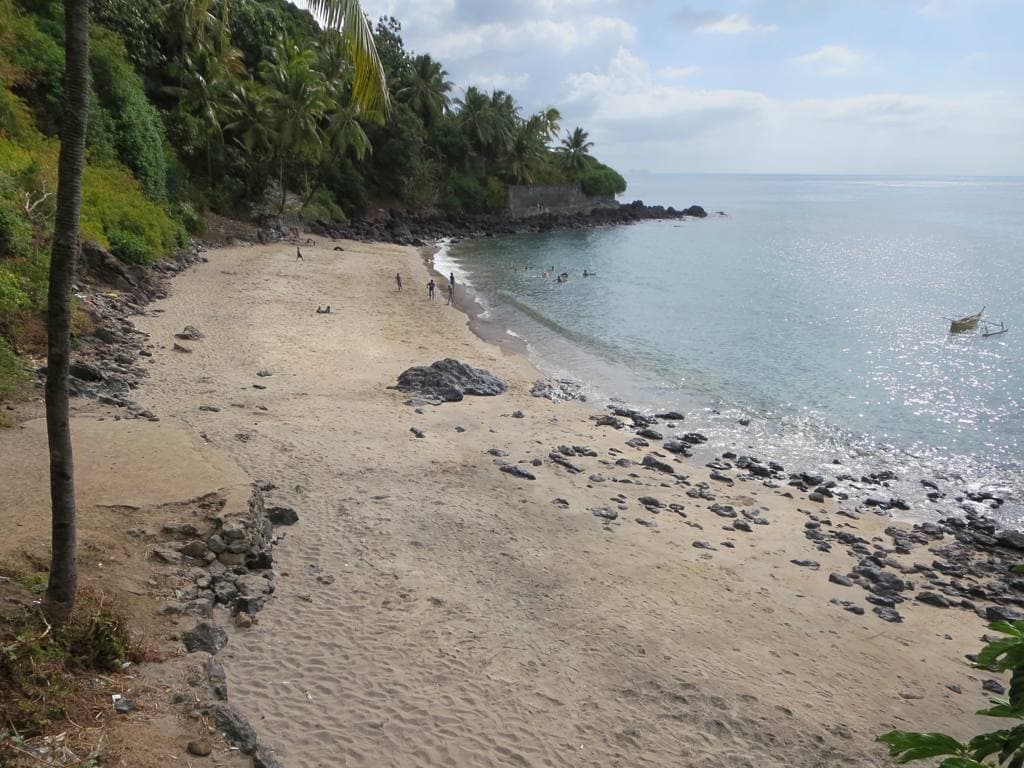
Plage de Moya, nestled on Anjouan's east coast, offers more than just a scenic vista; it's a historical landmark. This iconic stretch of white sand has borne witness to centuries of Comorian life, from the arrival of early traders to the reign of powerful sultans. The fine, pale grains beneath your feet hold echoes of the past, inviting you to connect with the island's rich heritage. The beach itself is a postcard-perfect scene: a wide expanse of soft, cool sand sloping gently into the warm, turquoise water. Palm trees lean gracefully, offering dappled shade, while the distant silhouette of fishing boats adds to the tranquil atmosphere. It's a place where the rhythm of the waves seems to hum a lullaby, inviting long, unhurried days. Beyond its beauty, Plage de Moya remains a vibrant hub for local families, particularly on weekends. Children splash in the shallows, laughter rings out, and the aroma of grilled fish sometimes drifts from impromptu picnics. It's a place where history and contemporary life intertwine seamlessly, offering a genuine glimpse into the heart of Anjouan.
Places, rentals, tours and events within walking and driving distance of Plage de Moya.
Photos
Plage de Moya is considered family-friendly with its white sand and generally calm conditions suitable for children. The beach's iconic status means it sees more visitors than remote alternatives, providing a degree of safety in numbers. However, supervision is essential as lifeguard services in the Comoros are limited or absent. The sandy bottom and gradual entry typical of many Comorian beaches make it accessible for younger swimmers. Always assess water conditions before allowing children to swim, and be aware that facilities like changing rooms may be basic or unavailable.
Plage de Moya can be visited year-round, though the dry season from May to October offers the most comfortable weather with less rainfall and humidity. The beach is suitable anytime during the day, though early mornings and late afternoons provide softer light for photography and slightly cooler temperatures. Midday can be intensely hot, so bring sun protection. Weekends may see more local visitors, while weekdays tend to be quieter. The consistent tropical climate means water temperatures remain warm throughout the year, making swimming pleasant in any season.
Plage de Moya is accessible from Mutsamudu, which serves as the main urban center on Anjouan island. Transportation options include taxis, hired vehicles, or potentially local buses depending on the exact location. As a more famous beach with historical significance, it may be better connected than remote alternatives, but roads in the Comoros can vary in quality. Ask at your accommodation for specific directions and transport recommendations. Many hotels can arrange taxis or drivers. Confirm return transport arrangements, especially if visiting during off-peak hours.
As an iconic beach, Plage de Moya may have more amenities than hidden alternatives, though facilities in the Comoros generally remain modest. You'll find the best selection of hotels, guesthouses, and restaurants in Mutsamudu itself, which serves as a base for beach visits. Local eateries may serve fresh seafood and traditional Comorian dishes featuring rice, cassava, and coconut. It's wise to bring water and snacks, as beachside vendors may be limited. Some visitors pack picnics to enjoy on the sand while taking in the historical and scenic surroundings.
While specific historical details vary, Plage de Moya is noted for its iconic status and historical significance to the local community on Anjouan island. Many beaches in the Comoros have witnessed centuries of maritime trade, cultural exchange between African, Arab, and other influences, and important local events. The beach may hold cultural or historical importance to residents of Mutsamudu and the broader region. To learn more about its specific historical context, consider speaking with local guides, elders, or staff at your accommodation who can share stories and significance that make this beach meaningful to Comorian heritage.