
Counting the waves…
Counting the waves…

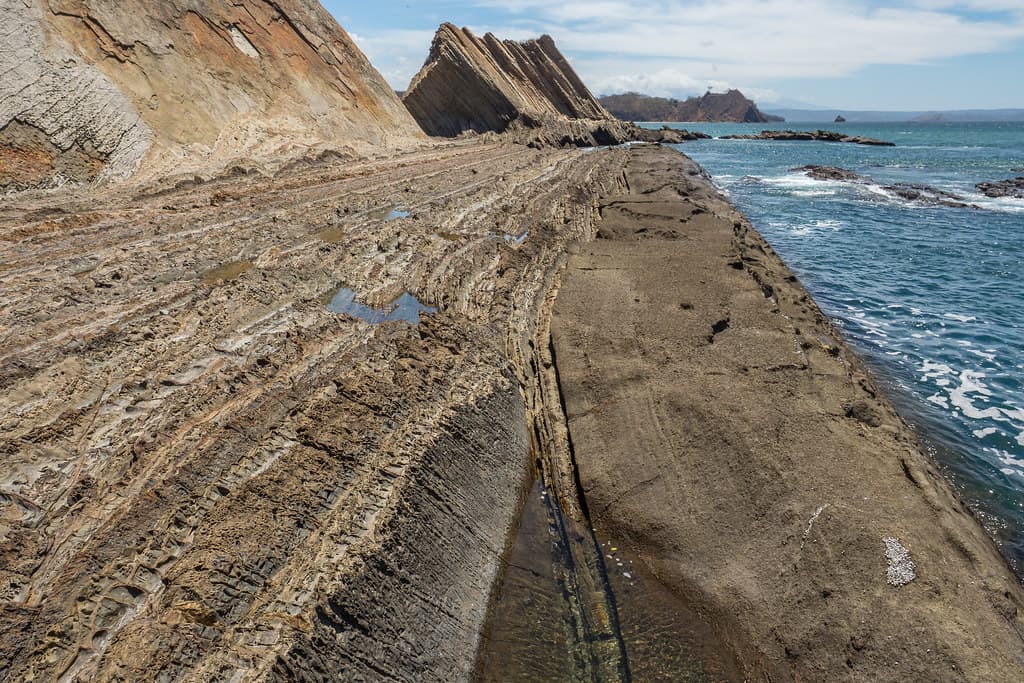
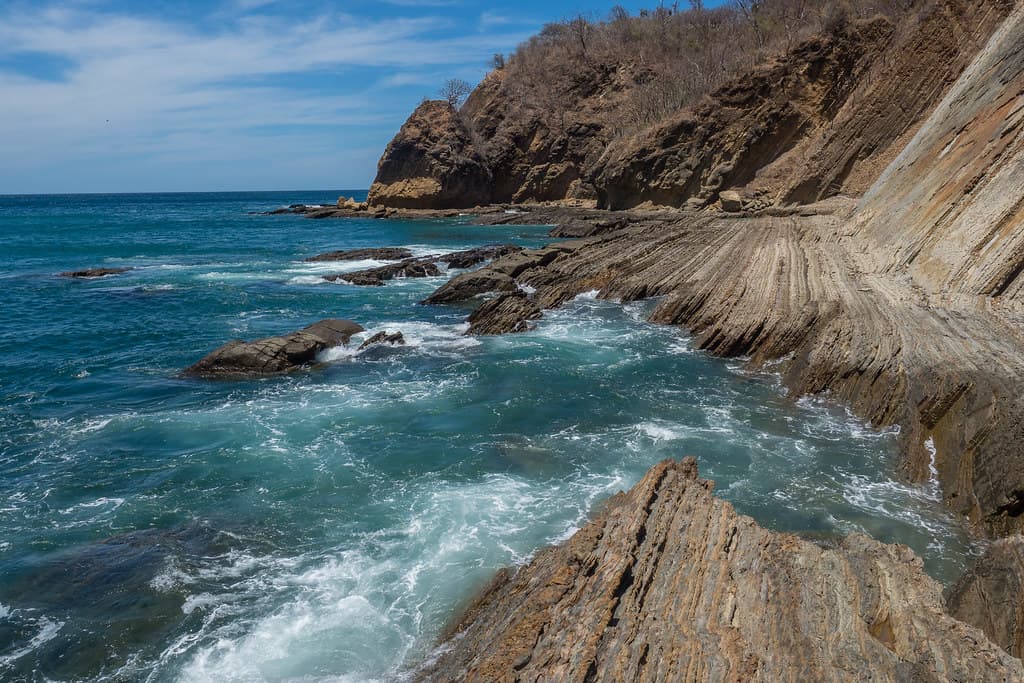
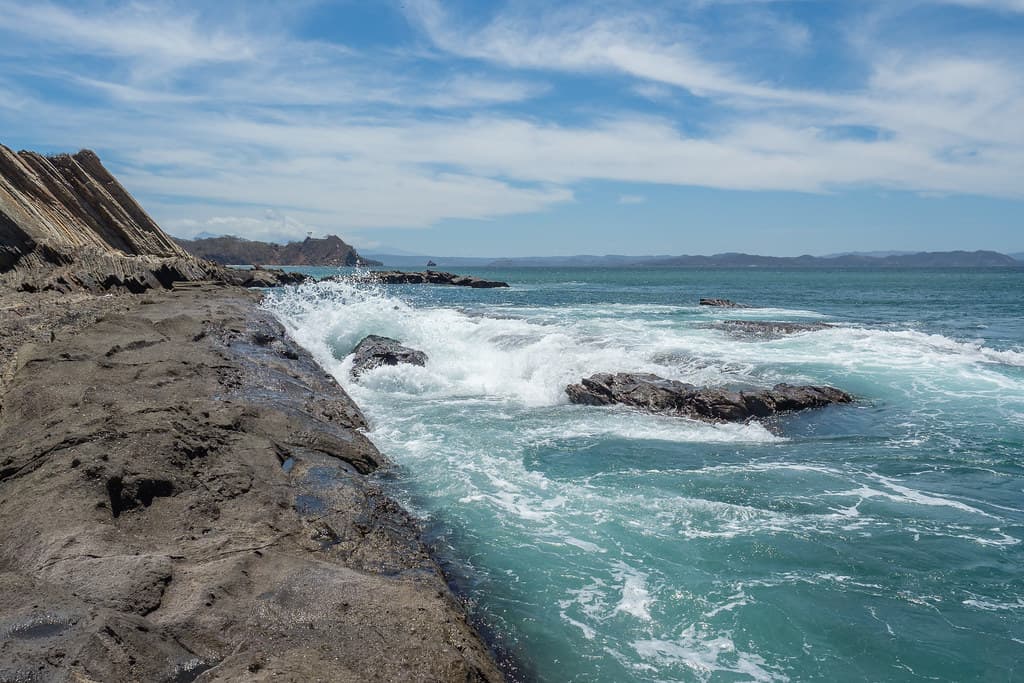
You reach Jobo Norte by ignoring the main beach access and following a rutted track that winds past a few houses with clotheslines snapping in the breeze. The cove reveals itself gradually: first the sound of smaller surf, then the sight of tamarind branches arching over sand, finally the crescent itself, cupped between headlands dark with volcanic stone. A handful of fishing pangas rest above the high-tide line, their paint faded to pastels by salt and sun. The water here is shallower and calmer than the exposed beaches to the south, protected enough that you can wade out fifty meters and still touch bottom. Patches of rock and coral break the surface at low tide, creating lanes of turquoise and navy where the depth shifts. Small fish—needlefish, jacks—cruise the shallows, and pelicans fold their wings to plunge with startling precision just past the gentle shore break. The sand holds scattered shells, whole and unbroken, unlike the pulverized fragments common on wave-battered coasts. Tamarind trees line the back of the beach, their feathery canopies providing the kind of dappled shade that invites long siestas in a hammock. The breeze funnels through the cove's opening, bringing relief even at midday, and you'll hear the clack of palm fronds mixing with the softer rhythm of wavelets. A few local kids might appear in the afternoon, splashing in the shallows, but most hours you'll share the space only with herons stalking the tideline.
Places, rentals, tours and events within walking and driving distance of Playa Jobo Norte.
Photos
Playa Jobo Norte's cove configuration generally provides more sheltered swimming conditions than fully exposed Pacific beaches. However, conditions vary with tides, seasons, and weather patterns. The small cove size means localized current patterns may develop, particularly during tide changes. No lifeguards are stationed at this hidden beach, so swimmers must rely on their own judgment and abilities. Rocky areas may be present at cove edges, requiring careful navigation. The intimate scale allows easy assessment of conditions before entering, but visitors should remain cautious and never swim alone.
Visit Playa Jobo Norte during the dry season (December-April) for optimal weather and sea conditions. The small cove's romantic, couples-friendly atmosphere is enhanced by calm waters and sunny skies typical of these months. Because it's often overlooked in favor of larger beaches, you'll find fewer crowds even during peak tourist season. Weekdays offer the most privacy. Early morning provides cooler temperatures and excellent light for photography, while late afternoon may offer beautiful sunset views depending on the cove's exact orientation. The scenic nature is best appreciated in good weather.
Playa Jobo Norte is located near La Cruz in northern Guanacaste and requires navigating to the El Jobo area. From La Cruz, follow roads toward the coast and the larger Playa El Jobo area, then look for access points to the smaller northern cove. Local inquiry may be helpful as the beach is often grouped under larger resort beach names and may not be well-signed. Road conditions vary, with some routes potentially requiring four-wheel drive, especially during rainy season. The beach's hidden nature means careful navigation and possibly asking locals for specific directions.
Being near the larger El Jobo area, Playa Jobo Norte has better access to amenities than completely remote beaches. The surrounding El Jobo region offers small hotels, vacation rentals, and local restaurants, though development is limited compared to major resort zones. La Cruz, a short drive away, provides additional dining and accommodation options including budget-friendly sodas and small hotels. The beach itself likely has minimal or no facilities, so visitors should plan to bring supplies or access services in nearby communities. Availability varies, with more options emerging as the area develops.
Playa Jobo Norte's charm lies in its intimate cove setting and relative anonymity despite proximity to more developed areas. While often grouped under larger beach names, this small cove offers its own distinct character with scenic beauty and seclusion. The couples-friendly atmosphere comes from its small scale and hidden nature, providing privacy often lacking at popular beaches. Unlike crowded resort beaches, it maintains an authentic, undiscovered feel. The cove configuration creates unique swimming conditions and scenic views different from open-coast beaches, appealing to travelers seeking quieter, more personal beach experiences.