
Counting the waves…
Counting the waves…

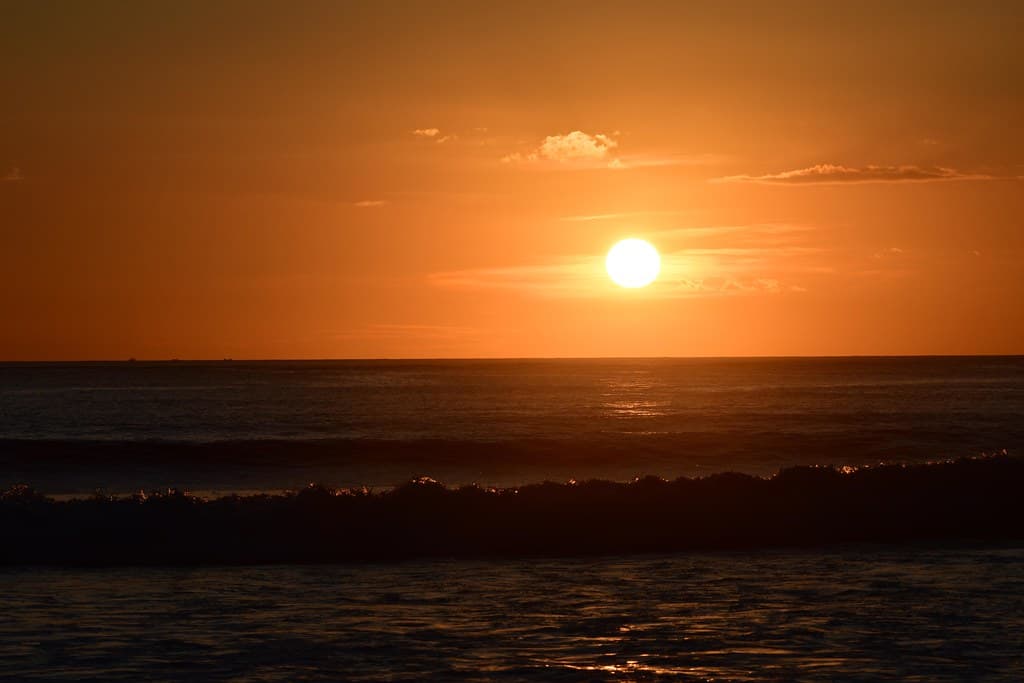
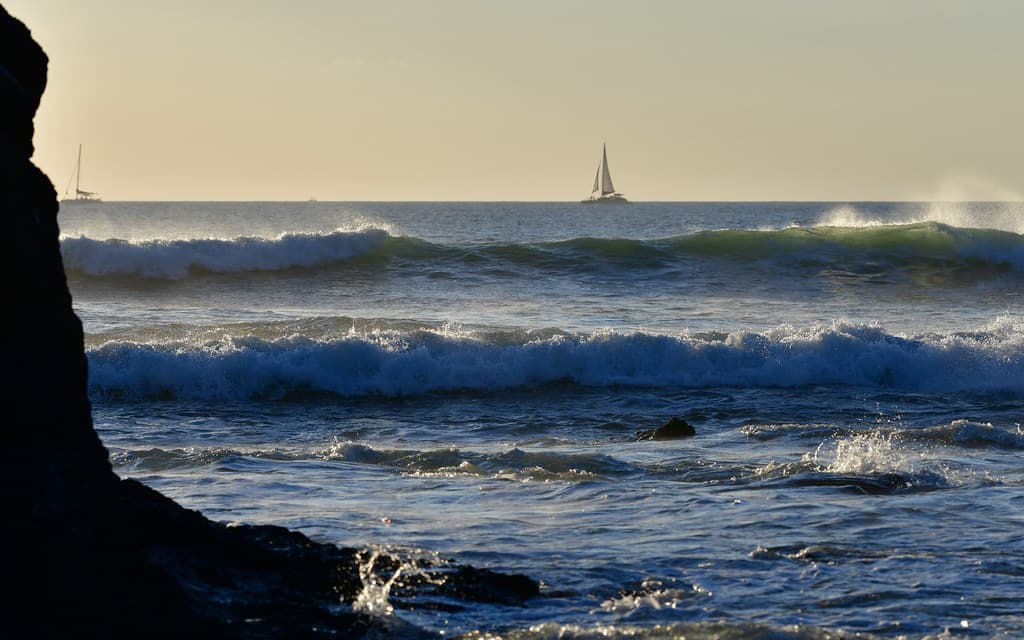
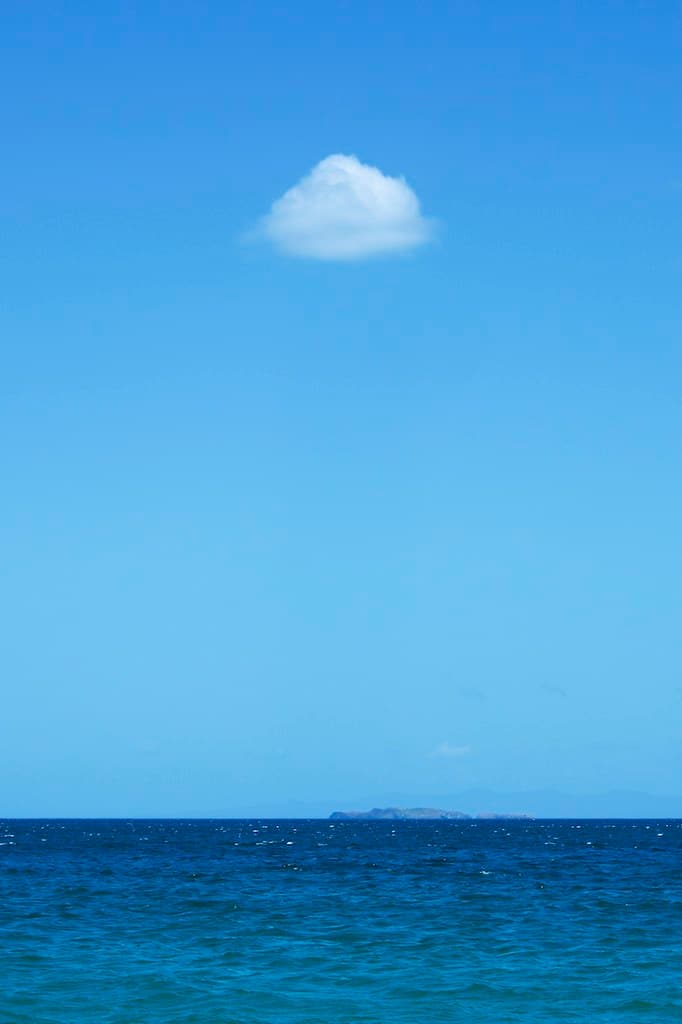
Playa Zapotillal sprawls along the coast like the Guanacaste of old, before concierge services and infinity pools. The beach runs wide and flat, backed by scrubland where iguanas sun themselves on volcanic rock. At low tide, the sand extends a hundred meters from the tree line to the water's edge, creating a corridor so expansive you'll lose sight of other beachgoers entirely. The surf here breaks with authority—not the gentle learner waves of Tamarindo, but confident sets that draw experienced riders willing to make the drive. Between swells, the beach settles into contemplative quiet. Dogs from nearby homesteads patrol the wrack line, and you'll spot local fishermen checking lines at dawn. The sunsets run through the full spectrum: tangerine bleeding into magenta, silhouetting the headlands to the north. You won't find shade structures or smoothie vendors, which means the beach essentially resets overnight. Each morning arrives untouched, yesterday's footprints erased by the tide. Bring everything you need and pack it all out—the unspoken compact that keeps Zapotillal wild. By late afternoon, when golden hour paints the cliffs copper, you'll understand why the locals call this Playa Mina: it's a claim worth staking, day after solitary day.
Places, rentals, tours and events within walking and driving distance of Playa Zapotillal.
Photos
Playa Zapotillal faces the open Pacific and often experiences moderate to strong waves and currents, making it better suited for experienced swimmers and surfers than families with small children. There are no lifeguards on duty. Conditions vary significantly with tide and season—always observe the ocean for several minutes before entering. The wide beach gives you plenty of space to choose calmer sections, typically found at low tide. Strong rip currents can occur, so if caught in one, swim parallel to shore rather than fighting against it.
Dry season (December-April) provides the most reliable sunshine and easier road access, with February and March being particularly pleasant. For surfing, the green season (May-November) brings better swells and offshore winds. Early morning offers the calmest conditions, coolest temperatures, and best chance to spot wildlife. Late afternoon rewards you with spectacular Pacific sunsets over the wide-open horizon. Because Zapotillal remains relatively undiscovered, even peak tourist season sees light crowds. Weekdays are quieter if you want maximum solitude on this already peaceful beach.
Playa Zapotillal (also called Playa Mina) requires navigating rough, unpaved roads, especially in the rainy season, making a 4WD vehicle highly recommended. From the main coastal highway near Huacas, follow signs toward Matapalo and the Cabo Velas area. Roads are poorly marked, so GPS helps, though asking locals for directions to "Playa Zapotillal" or "Playa Mina" may be necessary. The journey's difficulty is exactly what preserves the beach's undeveloped character. Allow extra travel time and don't attempt in heavy rain without four-wheel drive.
Playa Zapotillal has minimal infrastructure with no restaurants, shops, or hotels directly on the beach. You must bring all necessary supplies including food, water, sun protection, and beach equipment. The nearest services are in Huacas or Brasilito, approximately 15-25 minutes away depending on road conditions, where you'll find sodas, small markets, and basic lodging. For more extensive options, stay in Flamingo, Tamarindo, or the Conchal area and visit Zapotillal as a day trip. Pack out all trash as facilities are non-existent.
Playa Zapotillal stands out for its wide, undeveloped expanse offering exceptional space and solitude—you can walk for long stretches seeing virtually no one. The beach is also known locally as Playa Mina, though the origin of either name isn't definitively documented. Its remoteness has preserved completely natural conditions with no hotels, restaurants, or development cluttering the views. It's dog-friendly with room for pets to run freely. Surfers appreciate the consistent breaks, while solitude-seekers value the authentic, uncommercialized Costa Rican beach experience increasingly rare along the developed Guanacaste coast.