Counting the waves…
Counting the waves…
A refined fusion of water purity, environmental stability, and communal vibrancy for Playa Rosada.
View MethodologyAnalyzed via live sensors and environmental data.
Wave height, wind, and atmospheric stability.
Live footfall and crowd balance metrics.
Community reviews and curated sentiment.
“You'll arrive at the wrong tide and find only waves crashing against boulders. Time it right, and a narrow crescent appears, its sand bearing faint rose undertones from pulverized shell fragments mixed with volcanic…”
Limited recent visitor reports — live OBI telemetry is your best guide for current conditions.
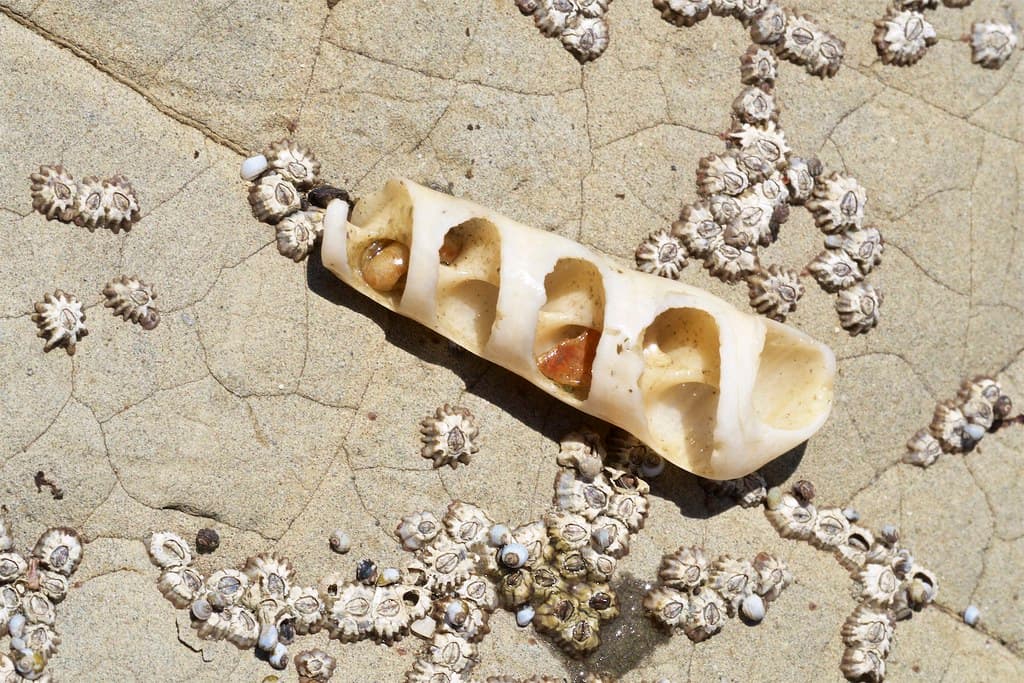
The color is subtle—you might miss it if you're expecting Caribbean bubblegum. Instead, the sand carries a dusky coral hue that shifts depending on whether it's wet or sun-dried, most visible in the protected pockets where shell debris concentrates between larger rocks. The beach exists only during the lower half of the tidal cycle; at high water, waves claim the entire strip, sending spray over the boulders that frame both ends.
Access requires either a scramble over the rocks from Pelada or a careful descent down a steep, root-tangled path that locals know but few signs advertise. The effort keeps crowds thin. You'll share the space with serious photographers hunting compositions of striated stone and turquoise water, couples who've done their tidal research, and the occasional lost tourist who wandered too far from the main beach and stumbled into something more interesting.
 Credit: Unsplash
a man riding a surfboard on top of a wave in the ocean
 Credit: Unsplash
silhouette of person holding surfboard walking on beach during sunset
Pink sand meets volcanic rock
Surge channels and trapped fish
Private beach between tides
Prime Visitation
Less Crowds
Where it is
Playa Rosada
Nosara, Guanacaste, Costa Rica
9.945800°, -85.676800°
Weather
Loading…
Swell
—
Temp
Warm · Restorative
UV Index
Moderate
Wind
—
Tidal State
Last known
Max Sunlight
—
Ideal Shade
—
Jan - Dec (Peak)
May - Nov (Off-season)
Historical data suggests peak visibility and stable sea temperatures occur during the prime visitation window.
Near Playa Rosada
Explore dining, stays, nightlife, and activities near Playa Rosada in Nosara, Costa Rica. Every listing below is a real place linked to this beach — open a card for reviews, maps, and booking options.
Food, cafés, and dining close to Playa Rosada — curated from places linked to this beach.
Select a category to load nearby places.
Unlock restaurants, luxury stays and curated maritime experiences within 2km
Playa Rosada is primarily a rocky beach and not ideal for swimming. The rocky terrain and tide pools make it better suited for exploration and photography rather than water activities. Surf conditions can be unpredictable near the rocks, creating potentially hazardous situations. If you do enter the water, wear water shoes to protect your feet from sharp rocks and uneven surfaces. The beach is better appreciated for its scenic beauty, tide pool exploration, and sunset views rather than as a swimming destination.
The dry season from December to April provides the best weather and clearest skies for photography. Low tide is the ideal time to explore the tide pools and see the pink-toned rocks that give the beach its name. Late afternoon offers the most dramatic lighting for Instagram-worthy photos and spectacular sunsets. Weekdays and early mornings ensure you'll have this small pocket beach mostly to yourself. During rainy season, the beach can be equally beautiful but requires flexibility with weather conditions.
Playa Rosada is located near Playa Pelada in the Nosara area. From Playa Pelada, look for coastal paths or local trails leading to this smaller rocky pocket beach. Access may involve walking along the beach or taking informal footpaths, so comfortable walking shoes are recommended. Ask locals or your accommodation for specific directions, as this hidden spot isn't well-marked on maps. The beach is relatively close to the main Nosara beach areas but requires some local knowledge to find.
While Playa Rosada itself has no facilities, its location near Playa Pelada means you're close to several beachfront restaurants and cafes. The broader Nosara area offers extensive accommodation options including boutique hotels, yoga retreats, vacation rentals, and eco-lodges within a short drive. Beach clubs and restaurants at Playa Pelada are just minutes away. However, bring water and snacks when visiting Playa Rosada specifically, as there are no vendors or services directly at this small rocky beach.
The pink or rose-toned appearance of the rocks comes from the mineral composition and natural weathering of the coastal rock formations. Different minerals in the volcanic and sedimentary rocks can create varying hues, especially when wet or during certain lighting conditions like sunset. The color is most visible during low tide and in the golden hour light. This unique coloring, combined with the tide pools and rocky landscape, creates distinctive photo opportunities that make Playa Rosada a favorite among photographers and nature enthusiasts exploring the Nosara coastline.
Photos