

Counting the waves…
Counting the waves…
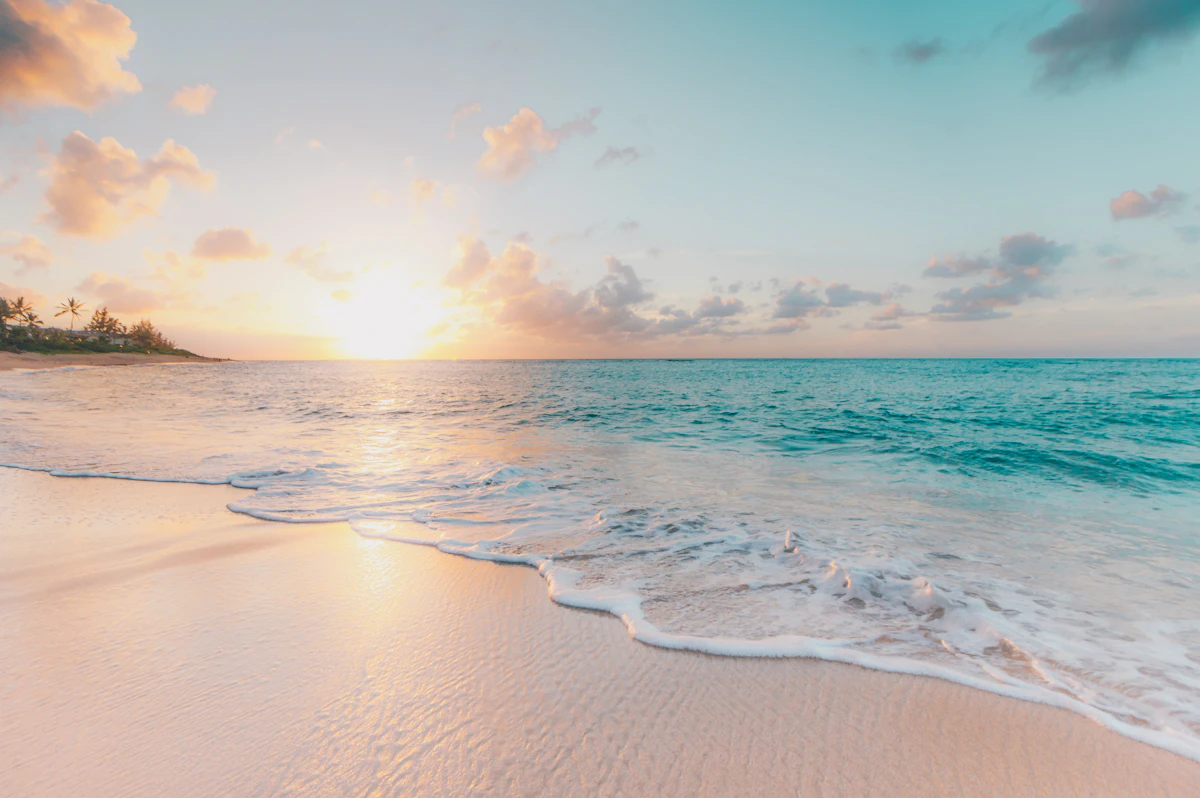
The dirt track ends at a stand of buttonwood, and you step onto sand the color of wet slate. Playa Bonita announces itself not with size but with geometry: two dark headlands bracketing a scoop of shoreline no wider than a football pitch. The waves arrive here gentler than on the exposed beaches to the south, their energy dissipated by the rocky embrace of the cove. Mid-afternoon, the sun angles through the gap between headlands, igniting the water's surface into shifting panels of amber and pewter. Hermit crabs trace calligraphy across the tidal margin. The sand is coarse underfoot, individual grains of basalt visible when you crouch to examine them. A pair of brown pelicans work the nearshore trough, folding their wings a heartbeat before impact. By late afternoon, the rocks at either end throw long shadows across the cove, and the temperature drops enough to raise goosebumps on wet skin. You'll have the sunset nearly to yourself—the bigger resorts funnel their guests toward the panoramic overlooks, leaving this low-slung inlet to the few who bothered to ask a local where they actually go to watch the day end. The sky doesn't just change color here; it saturates, pouring rose and violet into the tidal pools until the rocks themselves seem lit from within.
Places, rentals, tours and events within walking and driving distance of Playa Bonita.
Photos
Swimming conditions at Playa Bonita vary with the season and tide. As a small cove, it generally offers more protection than open beaches, but Pacific currents can still be strong. Check local conditions before entering the water, watch for rocky areas near the shore, and avoid swimming alone. During dry season (December-April), waters tend to be calmer. Always respect red flags if posted and ask locals or your accommodation about current conditions, as this beach lacks lifeguard services.
The shoulder seasons of May-June and November offer fewer crowds while still providing decent weather at Playa Bonita. The dry season (December-April) brings the most reliable sunshine but also more visitors to nearby Playa Hermosa. For the quietest experience, visit on weekdays during green season (May-November), though you'll encounter occasional afternoon rain. Early mornings and late afternoons provide the best light for photography of this scenic cove and excellent sunset viewing opportunities year-round.
Playa Bonita is located near Playa Hermosa, approximately 30-40 minutes from Liberia's Daniel Oduber International Airport. Drive northwest on Highway 21 toward the coast, then follow signs to Playa Hermosa. The cove is just north of the main Hermosa beach area. A 4WD vehicle isn't strictly necessary during dry season, but roads can be rough. Taxis and shuttles from Liberia are available but confirm the driver knows this specific beach, as it's smaller and less known than neighboring beaches.
Playa Bonita itself has limited on-beach facilities, but nearby Playa Hermosa offers numerous restaurants, hotels, and vacation rentals within a short walk or drive. You'll find everything from budget sodas (local eateries) serving casados to upscale beachfront dining. Accommodation ranges from small family-run hotels to luxury villas. For the closest options, look for properties advertised as being between Hermosa and Panama beaches. Bring water and snacks if planning to spend the day, as the cove itself is relatively undeveloped.
Playa Bonita is a small, intimate cove that offers a quieter, more secluded experience compared to the longer, more developed Playa Hermosa. While Hermosa attracts surfers and has a bustling beach scene, Playa Bonita appeals to couples and visitors seeking scenic tranquility. The cove setting provides more natural shelter and dramatic rocky outcrops, making it particularly photogenic at sunset. Because it's often overlooked in favor of its famous neighbor, you're more likely to have stretches of sand to yourself, especially during weekdays.