
Counting the waves…
Counting the waves…
The boat idles just beyond the break, and you slip over the gunwale into water the temperature of bathwater, fins slapping volcanic boulders wrapped in coralline algae. Punta Indio reveals itself only to those willing to time the tide and negotiate the headland that shields it from Sámara's main crescent. The sand here is coarse, flecked with shell fragments and the occasional carapace of a Sally Lightfoot crab, and the cove runs no more than fifty meters end to end. At low tide, pools trapped between the rocks become aquariums: urchins retract their spines, blennies dart under ledges, and anemones pulse in the current. You'll hear the clatter of stones tumbling in the shore break, the nasal squawk of a boat-billed heron in the mangroves behind the beach, the distant thrum of a panga motor. The rocky points on either side funnel the afternoon breeze, and by four o'clock the swells stack and peel in clean lines that attract the occasional longboarder willing to paddle around from town. There are no vendors, no palapas, no lifeguard stands—just a narrow strand where howler monkeys crash through the canopy above and frigatebirds trace lazy figure-eights overhead. You'll leave with salt in your hair and the satisfaction of having discovered a scrap of coastline that asks more of you than most beaches ever will.
Places, rentals, tours and events within walking and driving distance of Punta Indio Beach.
Photos
Punta Indio Beach offers generally calm conditions suitable for swimming and snorkeling, especially near the rocky headland where marine life congregates. The protected position within Sámara Bay helps shield it from strong currents, though conditions vary with tides and seasons. Dry season (December-April) typically provides the best visibility for snorkeling, with calmer, clearer water. The rocky areas require caution when entering and exiting the water—wear water shoes to protect your feet. As with any isolated beach, no lifeguards are present, so swim within your abilities and snorkel with a buddy for safety.
Punta Indio Beach is best visited during the dry season from December through April for optimal weather and snorkeling conditions. Early mornings offer the calmest water and best visibility for exploring the rocky headland's marine life, before winds pick up in the afternoon. For fewer crowds, visit on weekdays or during shoulder season (November or May). The wet season (May-November) still offers good access but with afternoon rains and reduced water clarity. High tide provides easier swimming access, while low tide is better for exploring tide pools and rocky areas around the headland.
Punta Indio Beach is most easily accessed by boat from Sámara, located just a short distance from the main Sámara Bay. Local operators in Sámara town offer boat tours and water taxi services to this pocket beach, typically as part of snorkeling or coastal exploration trips. The journey takes approximately 10-15 minutes by boat. While it may be possible to hike along the coast from Sámara during low tide, boat access is recommended for convenience and safety. Check with tour operators in Sámara village for current availability and departure times for visiting this hidden spot.
Punta Indio Beach itself has no facilities, restaurants, or accommodations due to its hidden, undeveloped character. However, the nearby town of Sámara (just minutes away by boat) offers extensive options including beachfront hotels, boutique lodges, hostels, vacation rentals, and diverse restaurants ranging from casual sodas to upscale dining. Most visitors use Sámara as their base and take day trips to Punta Indio. Pack snacks, water, and sun protection for your beach visit, as you won't find vendors or services at this secluded pocket beach by the rocky headland.
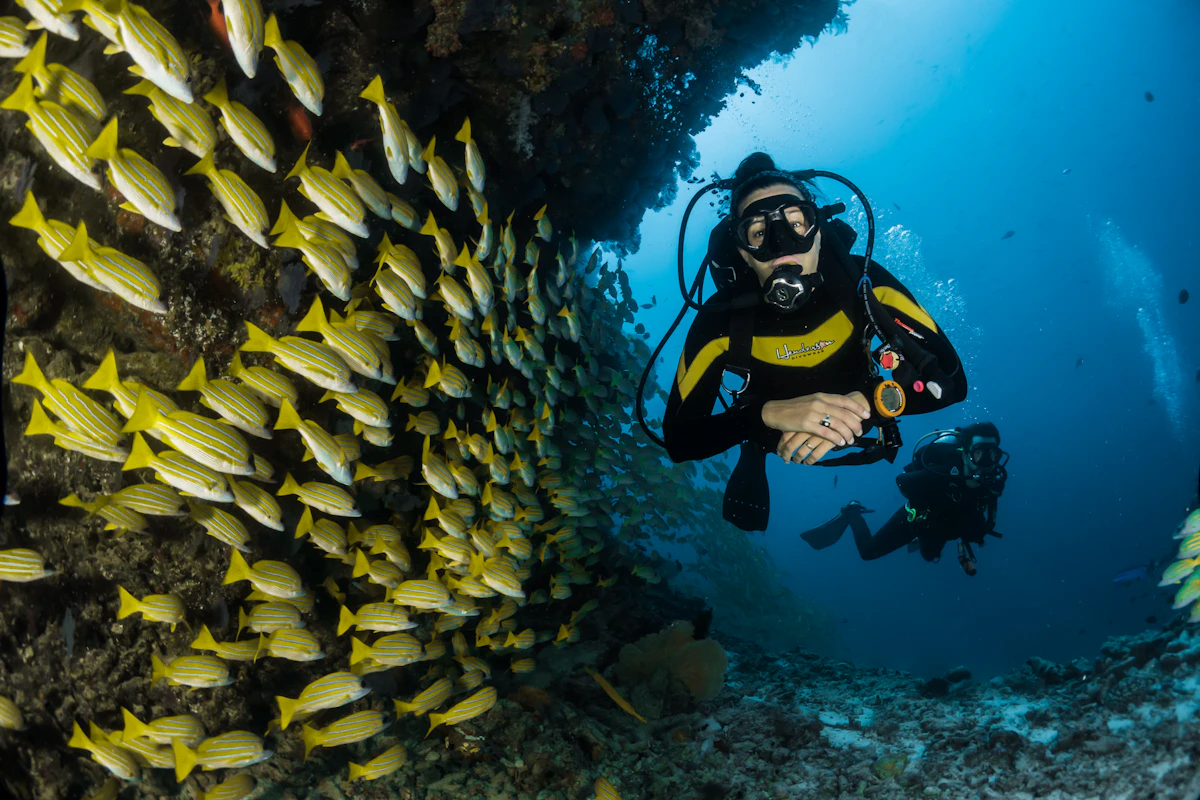
Punta Indio Beach is special for its rocky headland environment, which creates excellent snorkeling conditions distinct from Sámara's sandy main beach. The rocks and reef structures attract diverse marine life including tropical fish, sea turtles, rays, and occasional octopuses. The protected pocket location near Sámara Bay offers calmer waters than more exposed coastlines, making it accessible for snorkelers of varying experience levels. The combination of being close to Sámara yet feeling completely secluded, plus the concentrated marine biodiversity around the headland, makes it a hidden gem for underwater exploration that many visitors to the area miss entirely.