

Counting the waves…
Counting the waves…
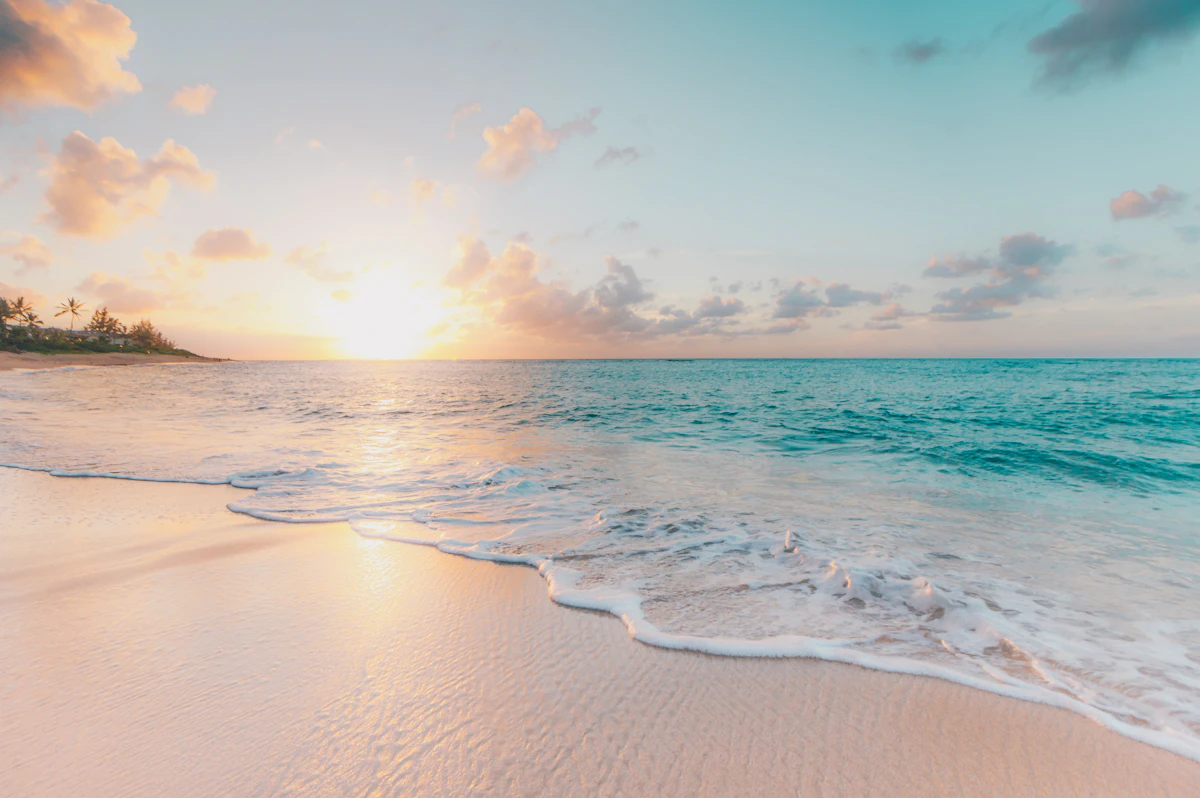
You reach Parismina by crossing the river on a hand-pulled cable ferry, a crossing that sets the tone: slow, improvised, charmingly unreliable. The village is a single sandy lane flanked by wooden houses painted turquoise and coral, and the beach begins where the lane ends. The surf here is powerful and messy, the kind that demands respect—waves that fold over themselves and push rafts of foam halfway up the slope. At low tide the sand is dark and compact, stippled with the tracks of ghost crabs and the occasional jaguar print from the night before. This is still a working fishing community. You'll see panga boats hauled above the high-tide line, nets spread to dry, and men mending lines in the shade. During turtle season—roughly March through October—the beach transforms into a maternity ward: leatherbacks and greens heave ashore after dark, and a handful of lodges run monitored night patrols. By day the strand is yours to walk for miles, the jungle pressing close on one side, the waves grinding stones smooth on the other. Sunsets here are uncomplicated: the sky goes orange, then violet, and the pelicans make their final passes before roosting. There's no pier, no promenade, just the raw edge of Costa Rica's Caribbean side, where remoteness still means something.
Places, rentals, tours and events within walking and driving distance of Playa Parismina.
Photos
Playa Parismina has strong currents, powerful waves, and undertows that make swimming potentially dangerous, especially for inexperienced swimmers. The beach is primarily known for surfing rather than casual swimming. There are no lifeguards on duty. The wild, unprotected nature of this coastline means conditions can change rapidly. If you choose to enter the water, stay in shallow areas, never swim alone, and be extremely cautious. Many visitors prefer to enjoy the beach for walks, turtle watching, or simply appreciating the dramatic coastal scenery.
The drier months from March to April and September to October offer better weather, though rain is possible year-round on the Caribbean coast. For turtle nesting, visit between March and October, with peak activity July through September for green sea turtles and leatherbacks. Fishing enthusiasts target January through May for tarpon and September through November for snook. The remote village sees few crowds regardless of season. Consider that heavy rains can make access more challenging during wettest months.
Access to Parismina is remote and typically requires boat transport, as there are no roads connecting the village to the main highway. Most visitors arrange boat transfers from Caño Blanco Marina (near Siquirres) through their lodge, which takes about one hour up the canal system. Some lodges offer small plane charters from San José. From the village, the beach is a short walk. This isolation is part of Parismina's appeal but requires advance planning. Independently reaching the village without pre-arranged transport is very difficult.
Parismina is a tiny fishing village with limited tourism infrastructure. Accommodation consists mainly of sportfishing lodges that cater to anglers, offering all-inclusive packages with meals, guides, and boat transport. A few simpler guesthouses serve budget travelers and volunteers. Dining options are minimal—most visitors eat at their lodge or guesthouse. The village has small shops selling basics but no restaurants or supermarkets. Travelers should expect rustic conditions and arrange meals in advance. This is not a destination for those seeking amenities or variety.
Playa Parismina is one of Costa Rica's most important sea turtle nesting sites, particularly for endangered green sea turtles and critically endangered leatherbacks. The remote, undeveloped coastline provides relatively undisturbed nesting habitat. Several conservation organizations run monitoring and protection programs, and visitors can often participate in nighttime turtle patrols during nesting season. The village community has shifted from historical egg harvesting to eco-tourism and conservation. This beach offers a rare opportunity to witness nesting turtles in a wild, authentic Caribbean setting with genuine conservation impact.