

Counting the waves…
Counting the waves…
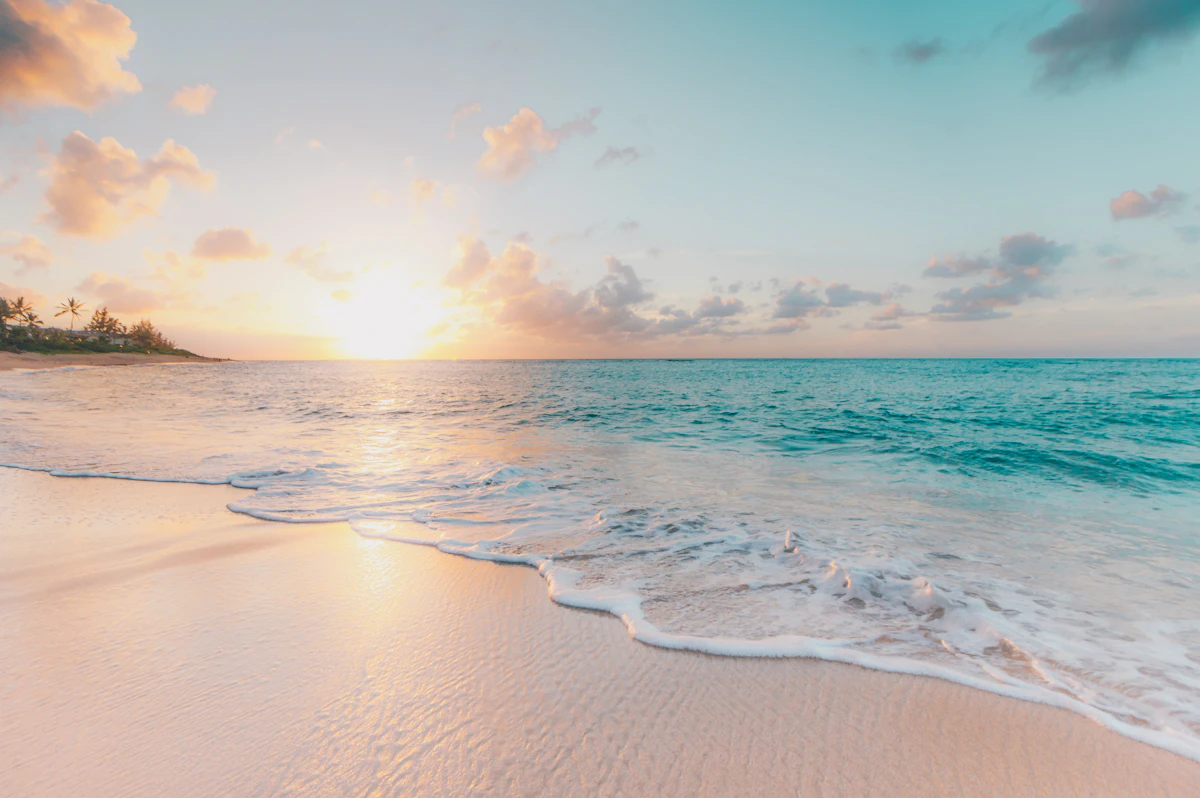
The skiff noses into the riverbank at Jalova, and you step onto sand still pressed with the drag marks of leatherbacks that hauled themselves ashore before dawn. No road reaches this southern gateway to Tortuguero National Park; the jungle presses so close you smell wet earth and rotting figs mingling with salt air. Driftwood trunks bleached bone-white lie scattered like fallen giants, and behind them the canopy hums with parrots and toucans. This is a working beach—nesting ground first, postcard second. Rangers patrol at night during turtle season, and by day the sand bakes empty except for ghost crabs skittering sideways into their burrows. The waves arrive in long, muscular sets, too strong for swimming but hypnotic to watch. You spread a towel in the shade of an almond tree and feel the particular satisfaction of being somewhere that hasn't bent itself toward comfort. When the afternoon rain blows in—warm, loud, quick—you retreat under the eaves of the ranger station and watch the beach turn pewter. By the time the sun reappears, steam rises from the sand, and you realize you haven't checked your phone in hours. That's the Jalova effect: isolation as luxury, wildness as amenity.
Places, rentals, tours and events within walking and driving distance of Playa Jalova.
Photos
Swimming at Playa Jalova is not recommended due to strong currents, powerful surf, and the wild, unprotected nature of this remote beach. Like most of the Caribbean coast in this region, the ocean here has steep drop-offs and unpredictable conditions. There are no lifeguards or nearby emergency services. The beach is primarily valued for its pristine natural state, wildlife observation, and turtle nesting rather than recreational swimming. Visitors typically walk the shoreline, observe wildlife, and appreciate the untouched coastal environment. Safety infrastructure is minimal given the remote, protected location within Tortuguero National Park.
The drier months of February through April and September through October offer relatively better weather, though rain occurs year-round on the Caribbean coast. For turtle nesting observations, visit during the green turtle season from July through October. Accessing Jalova requires favorable weather for boat travel, so calmer sea conditions are important. The remote nature means fewer crowds regardless of season, but services and tours may be more limited during the wettest months. Consider that Tortuguero National Park has specific visiting hours and regulations, and access depends on coordinating with authorized operators and ranger stations.
Playa Jalova is accessible only by boat, as it lies within the southern sector of Tortuguero National Park with no road access. Visitors typically arrange guided tours from Tortuguero village or nearby lodges, involving a boat journey through the canal system. Some tours combine visits to Jalova ranger station with canal wildlife viewing. The journey takes approximately 1-2 hours from Tortuguero village depending on conditions. Independent access is not permitted—you must go with authorized park guides or operators. Visits may require advance coordination with park authorities and are subject to weather and sea conditions.
Playa Jalova has no commercial accommodation or dining facilities. It is a protected area within Tortuguero National Park with only a ranger station and basic research facilities. Visitors come on day trips or guided tours from Tortuguero village or area lodges, which provide all meals and accommodation. The ranger station offers very basic facilities primarily for park staff and researchers. This is a true wilderness experience focused on conservation and nature observation rather than tourism infrastructure. Plan to bring water and snacks for your visit, and arrange all services through your base in Tortuguero or nearby lodges.
Playa Jalova represents one of Costa Rica's most pristine and protected coastal environments, located within Tortuguero National Park's southern sector. The beach serves as important nesting habitat for endangered sea turtles, particularly green turtles. Its remote, undeveloped state provides crucial refuge for wildlife and maintains natural coastal processes without human interference. The ranger station supports ongoing conservation research and monitoring. Visiting Jalova offers eco-travelers an authentic wilderness experience and demonstrates Costa Rica's commitment to protecting critical ecosystems. The area exemplifies how national park protection preserves natural heritage while allowing low-impact educational tourism.