
Counting the waves…
Counting the waves…
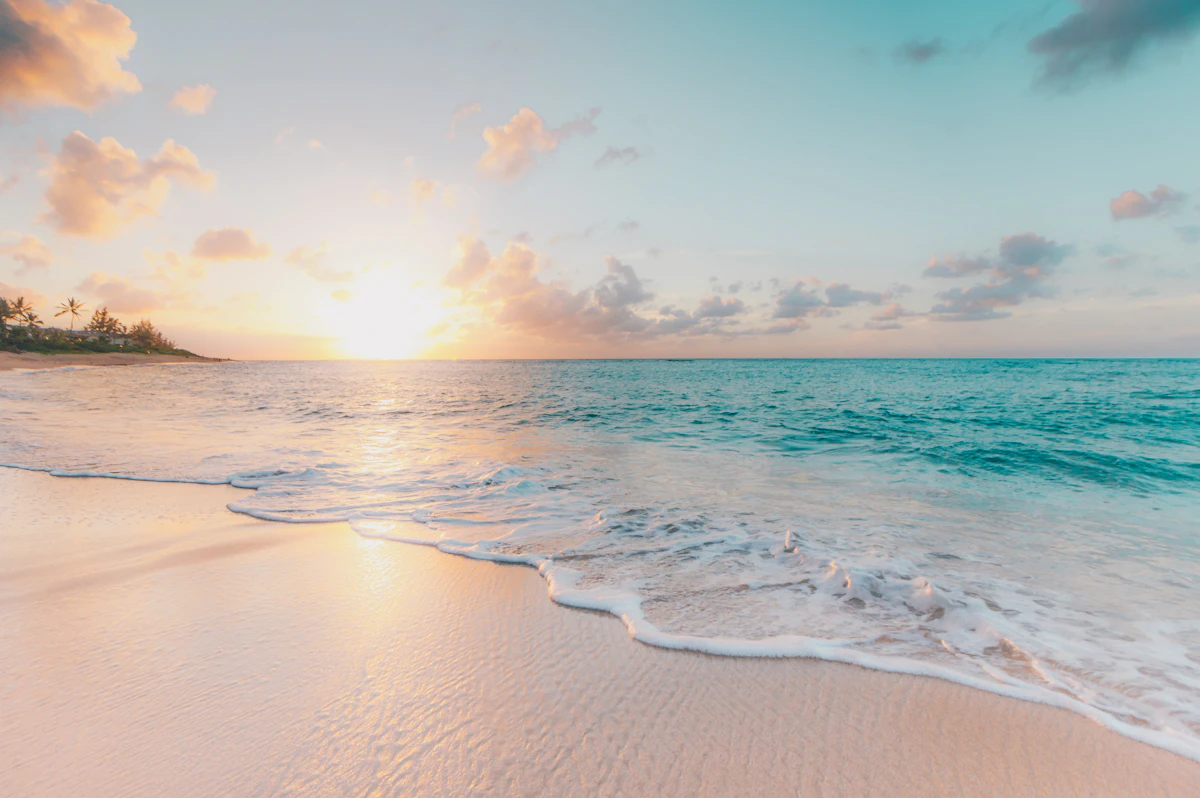
Playa Blanca announces itself gradually: first the forest thins, then you glimpse turquoise between the trunks, then the sand appears, so pale it forces you to squint even through sunglasses. The beach runs perhaps three hundred meters, hemmed between two rocky points that shelter it from the prevailing swells. At high tide, the sand nearly disappears; at low, it widens into a platform where sand dollars and olive shells collect in windrows. You stake your claim beneath a leaning palm, its trunk inscribed with decades of initials and hearts. The water offshore shifts between jade and sapphire depending on the depth, the sandy bottom visible even a hundred feet out. You wade in slowly, feeling for the spine-covered sea urchins that colonize the rocks at the beach's edges. Once clear, you float on your back and study the canopy: toucans moving between cecropia crowns, their calls harsh and prehistoric. A fishing cayuco rounds the southern point, its outboard coughing blue smoke. The captain waves; you wave back. By afternoon, clouds build over the Talamanca peaks and the wind swings onshore, ruffling the water's surface into gooseflesh. You retreat to the village for casado at a family-run restaurant—plantains fried dark, rice studded with red beans, grilled snapper caught that morning—and consider returning tomorrow, before the beach becomes anything other than what it is now: empty, bright, and perfect in its refusal to announce itself.
Places, rentals, tours and events within walking and driving distance of Playa Blanca (Manzanillo).
Photos
Swimming conditions at Playa Blanca vary with weather, tides, and season. The crystal-clear waters suggest good visibility, but currents can be present, especially during rough weather. As a remote beach without lifeguards or immediate emergency services, exercise caution and assess conditions before entering. Calmer periods typically occur during dry season months. The beach's isolated nature means fewer people around to assist in emergencies, so never swim alone. Check with locals in Manzanillo village about current conditions. The white sand and clear water make it appealing, but always respect the ocean's power on the Caribbean coast.
Playa Blanca is best visited during the drier months of February through April and September through October when you'll find calmer seas and more consistent sunshine. However, the Caribbean coast can receive rain year-round. As a hidden beach, it remains uncrowded throughout the year, making it ideal for those seeking peace and solitude. Weekdays offer even more tranquility than weekends. Early mornings provide the best light for photography and cooler temperatures. The beach's remote location within the Gandoca-Manzanillo Wildlife Refuge means pristine natural conditions regardless of season, though access may be more challenging during heavy rains.
Playa Blanca is located near Manzanillo village in southern Limón Province. From San José, drive approximately 4-5 hours via Route 32 to Limón, then south through Cahuita and Puerto Viejo to Manzanillo. From the village, reaching Playa Blanca may require hiking coastal trails or navigating rough roads; inquire locally about current access conditions. Four-wheel drive vehicles are recommended. Public buses run from San José and Limón to Manzanillo village. The beach's hidden nature means limited signage, so ask locals for directions or consider hiring a guide for your first visit to this secluded spot.
Playa Blanca has no facilities, so come prepared with food, water, and supplies. Manzanillo village, the nearest settlement, offers basic restaurants serving Caribbean cuisine and simple accommodations like guesthouses and cabinas. Selection is limited in this small village. Puerto Viejo, approximately 12 kilometers north, provides many more options including diverse restaurants, hotels, hostels, and supermarkets for provisioning. Most visitors base themselves in Puerto Viejo or Manzanillo and visit Playa Blanca as a day trip. The remote, peaceful nature of the beach is part of its appeal, but requires planning ahead for basic needs.
Playa Blanca stands out on Costa Rica's Caribbean coast for its white sand, which is less common than the golden or dark sands found at most Caribbean beaches in the region. The combination of white sand and crystal-clear turquoise water creates a postcard-perfect tropical setting. The clarity of the water offers excellent visibility and beautiful color gradients. Located within the Gandoca-Manzanillo Wildlife Refuge, the beach maintains pristine conditions with minimal human impact. The peaceful, uncrowded atmosphere enhances the natural beauty. This hidden gem provides an idyllic, tranquil beach experience for those willing to make the journey to this remote location.