
Counting the waves…
Counting the waves…
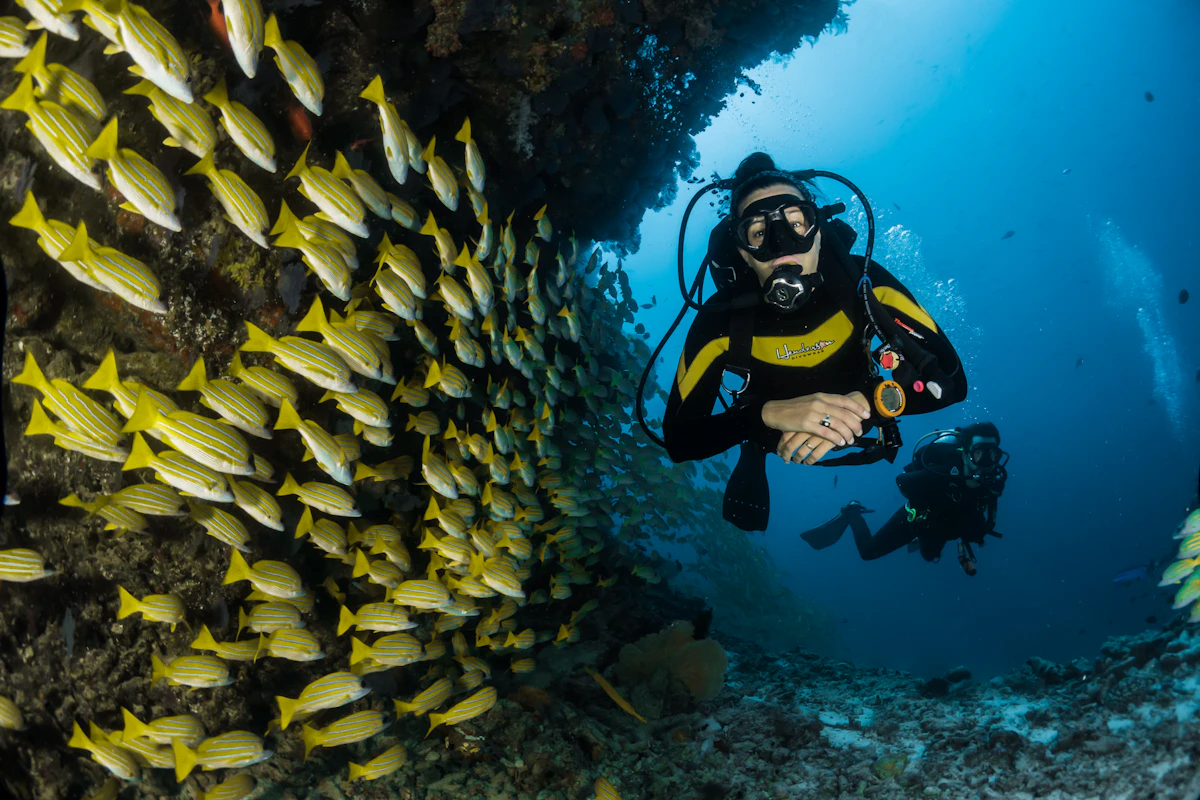
The journey to Punta Mona demands intention: a thirty-minute walk from Manzanillo village through the Gandoca-Manzanillo Wildlife Refuge, where morpho butterflies detonate in blue flashes and poison dart frogs—scarlet, mint, obsidian—navigate the leaf litter. You arrive sweating, and the first glimpse of the beach feels like a transaction completed, effort exchanged for solitude. The sand here holds an orange tint, sediment washed down from the Talamanca foothills. Offshore, coral heads break the surface at low tide, their edges colonized by urchins and Christmas tree worms. You snorkel along the reef's western margin, where sergeant majors swarm in vertical columns and a hawksbill turtle grazes on sponges, indifferent to your presence. The water runs warm and slightly turbid, visibility maybe forty feet on a good day. The Punta Mona Center for Regenerative Design sits just inland, its structures built from bamboo and salvaged hardwood. You spot residents hauling compost buckets and harvesting papaya, their rhythm unhurried. At dusk, the no-see-ums emerge in force, driving you from the beach into long sleeves. You return to Manzanillo by headlamp, the trail now alive with glass frogs and the luminous eyes of kinkajous reflected in your beam.
Places, rentals, tours and events within walking and driving distance of Playa Punta Mona.
Photos
Swimming and snorkeling conditions at Playa Punta Mona depend heavily on weather and sea conditions. During calm periods, the area offers opportunities for both activities, but the beach's remote location means no lifeguards are present. Always assess waves and currents before entering the water. The area near the Panama border can experience varying ocean conditions, so strong swimming skills are recommended. When snorkeling, watch for coral and marine life without touching them. It's advisable to swim with a buddy given the isolated nature of this beach.
The best time to visit Playa Punta Mona is during the dry season from February to April when you'll encounter the least rainfall and best conditions for beach activities. For budget travelers, visiting during the green season (May-November, excluding September-October) offers lower accommodation rates and fewer tourists, though expect more rain. The beach remains quiet year-round due to its remote location. Water temperature stays warm throughout the year. The area's eco-tourism focus means it never becomes overcrowded, even during peak season.
Reaching Playa Punta Mona requires more effort than most beaches, adding to its remote appeal. From Manzanillo village, you can hike along coastal trails (approximately 1-2 hours), arrange a boat ride, or combine both methods. The trail passes through the Gandoca-Manzanillo Wildlife Refuge with beautiful scenery but can be challenging and muddy during rainy season. Some visitors arrange guided tours from Puerto Viejo or Manzanillo. Proper footwear, water, and insect repellent are essential. The journey itself is part of the adventure in this pristine area.
Playa Punta Mona is home to an off-grid eco-village and permaculture farm that occasionally accepts visitors for educational stays and volunteer opportunities. Accommodation options are extremely limited and focus on sustainable, rustic eco-tourism experiences. The Punta Mona Center offers basic lodging for those participating in their programs. There are no restaurants or conventional hotels directly at the beach. Most visitors come for day trips from Manzanillo, bringing their own food and supplies. This is a true eco-tourism destination prioritizing environmental preservation over tourist infrastructure.
Playa Punta Mona is exceptional for eco-tourists due to its pristine natural environment and commitment to sustainability. The beach is home to a renowned permaculture farm and eco-village that demonstrates sustainable living practices. Its location near the Panama border within the Gandoca-Manzanillo Wildlife Refuge ensures rich biodiversity both on land and in surrounding waters. The remote access keeps visitor numbers low, preserving the area's untouched character. This is one of Costa Rica's most authentic eco-tourism destinations, offering immersion in nature and sustainable practices rather than conventional beach resort experiences.