
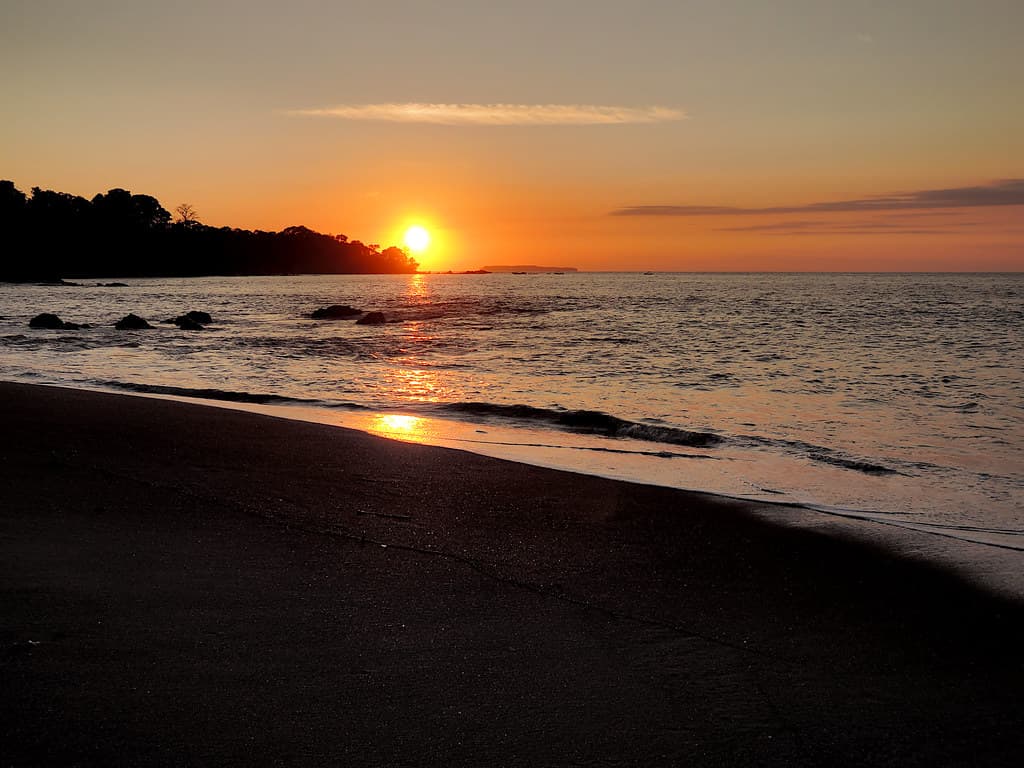
You hike in mud-slick and breathless, the trail switchbacking down through a tunnel of heliconia and ferns until the canopy peels back and the cove materializes below. Cocalito's sand is coarse and golden-brown, studded with wave-polished driftwood that local guides prop into makeshift benches. At low tide, tide pools trap sergeant majors and slipper lobsters; at high, the shorebreak murmurs against a natural stone jetty that shelters the left flank.
“Few trail-accessible coves on the Osa pack this much underwater biodiversity within a five-minute fin from the beach.”
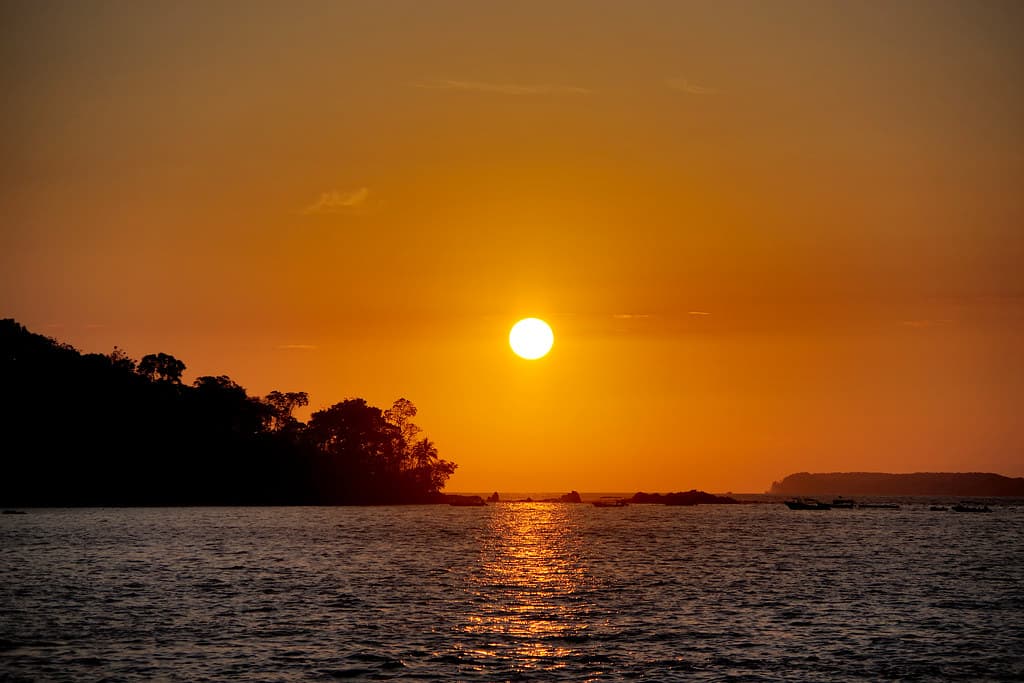 Credit: Flickr
Playa Cocalito — photo by Juhele_CZ
Mask on, you finkick over rubble bottom that quickly gives way to coral heads the size of Volkswagens. Parrotfish crunch algae with audible pops; a spotted eagle ray glides past, wingtips stirring silt. The water temperature hovers near eighty degrees, visibility stretching to twenty feet on calm mornings when swell hasn't churned the sediment. Locals warn you to shuffle your feet—stingrays bed down in the sandy patches—and to mind the current if you venture beyond the reef's outer edge.
Back on shore, you rinse your gear under a freshwater seep that trickles from the hillside, then sprawl in the shade of a sprawling almond tree. A Baird's trogon calls from the canopy, and you watch a coati nose through leaf litter, hunting land crabs. By late afternoon the trail traffic picks up—lodge guests returning from Corcovado, fishermen hauling coolers—and you shoulder your pack, already plotting tomorrow's return.


