Counting the waves…
Counting the waves…
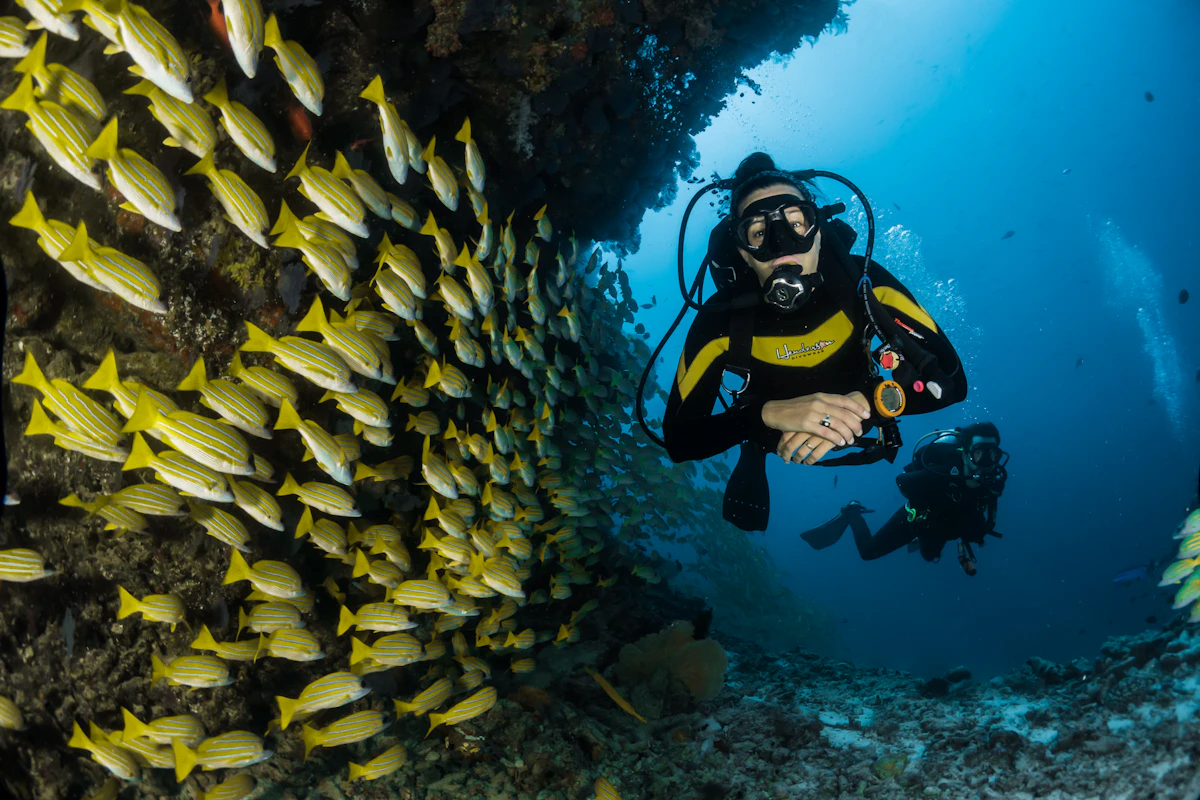
There is no dock at Playa Jícaro, no trail, no sign that anyone has thought to name this place officially. You wade ashore from the boat into ankle-deep clarity, the sand beneath your feet pale as flour and fine enough to squeak. The cove bends in a tight embrace, protected by volcanic rock draped in vines and bromeliads that drink the gulf mist. The water here sits calm even when the outer gulf kicks up chop. You'll snorkel along the rocky edges where sergeant majors dart through staghorn coral, or simply float on your back while frigatebirds wheel overhead. The jungle behind the beach hums with howlers and cicadas, dense enough that you can't see ten meters in. No facilities, no vendors, no footprints but yours and the three-toed tracks of raccoons that comb the tideline at dawn. When you're ready to leave, the boatman will reappear from wherever he's been napping in the shade. You'll push off through water warm as bathwater, looking back at Jícaro already fading into the haze, a secret the gulf keeps mostly to itself. The crossing back to Puntarenas takes thirty minutes; the memory of that silence takes longer to shake.
Places, rentals, tours and events within walking and driving distance of Playa Jícaro.
Photos
Swimming conditions in this small cove on Isla Caballo are generally calmer than open waters due to natural protection. However, there are no lifeguards or safety services, so swimmers must be self-reliant and cautious. Always evaluate water conditions, currents, and weather before entering. The cove setting typically reduces wave action, but conditions can change with tides and wind. Water shoes are recommended for navigating potentially rocky areas. Be aware of boat traffic as this is a boat-access location. The remote setting means emergency response would be delayed, so swim conservatively.
Visit during the dry season (December-April) for optimal weather and easier boat access to Isla Caballo. The beach sees minimal visitors year-round due to its boat-only access and hidden location. Weekdays are even quieter than weekends. Early morning offers the best conditions for photography and cooler temperatures. Green season visits (May-November) are possible with proper planning and flexibility around weather, offering even greater solitude and lush surroundings. Check tide schedules if you want specific beach conditions, as low tide exposes more beach while high tide is better for swimming.
Reaching Playa Jícaro requires boat transportation to Isla Caballo from mainland departure points such as Paquera or other Gulf of Nicoya towns. You must arrange private boat charters through local operators, as there are no regular ferry services to this specific cove. Advance booking is recommended, either directly with boat operators or through your accommodation. The journey typically takes 30-60 minutes depending on your starting point and sea conditions. Some operators offer island-hopping tours that might include Isla Caballo. Always confirm return transportation times before departing.
Playa Jícaro is completely undeveloped with no facilities, restaurants, or accommodations. Isla Caballo remains largely natural and uninhabited, requiring visitors to be fully self-sufficient. Bring all necessary supplies including food, drinking water, sun protection, and beach gear. The nearest lodging and dining options are located in Paquera and other mainland communities. Some boat charter services might provide refreshments, but confirm details when booking. Pack out all trash to help preserve this pristine environment. Most visitors treat this as a day-trip destination from mainland accommodations.
This small cove beach represents one of the Gulf of Nicoya's best-kept secrets, offering exceptional isolation and natural beauty. The boat-access requirement and lack of development mean you're likely to have the cove entirely to yourself. The intimate size creates a private, exclusive atmosphere perfect for those seeking solitude. Unlike larger, more accessible beaches, Playa Jícaro maintains pristine conditions with minimal human impact. The surrounding natural vegetation and calm cove waters create a picturesque setting. It's ideal for travelers willing to make the effort to reach truly hidden coastal gems away from any tourist infrastructure.