Counting the waves…
Counting the waves…
A refined fusion of water purity, environmental stability, and communal vibrancy for Playa Pan de Azúcar.
View MethodologyAnalyzed via live sensors and environmental data.
Wave height, wind, and atmospheric stability.
Live footfall and crowd balance metrics.
Community reviews and curated sentiment.
“Pan de Azúcar barely qualifies as a beach—more a collision of volcanic boulders and tidal shelves where the gulf laps at rock worn smooth by centuries. You come here to explore, not to sunbathe.”
Limited recent visitor reports — live OBI telemetry is your best guide for current conditions.
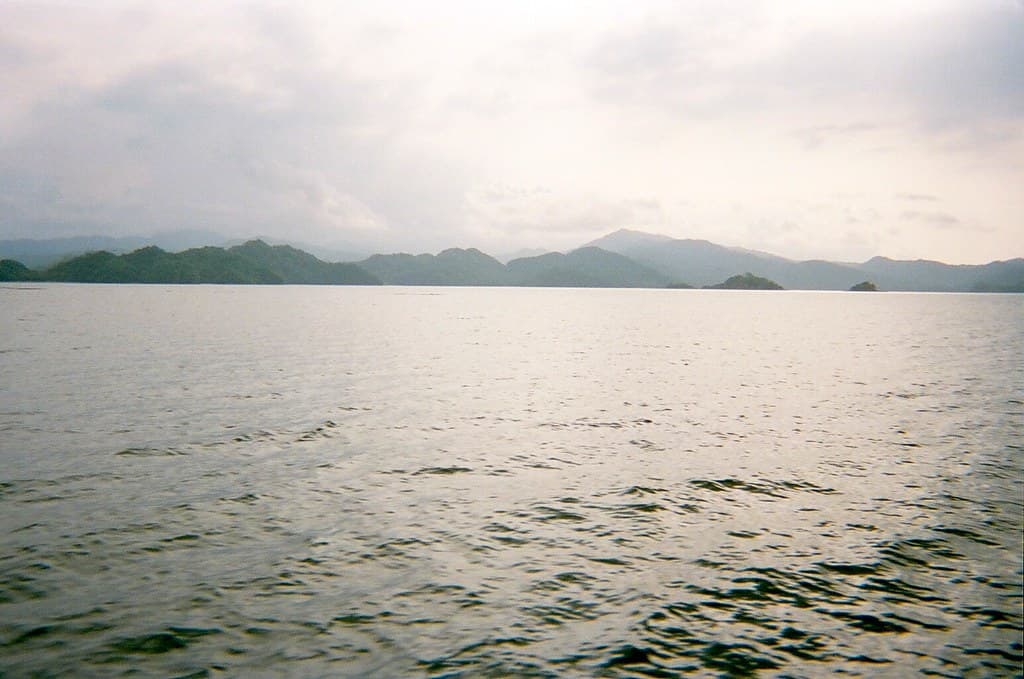
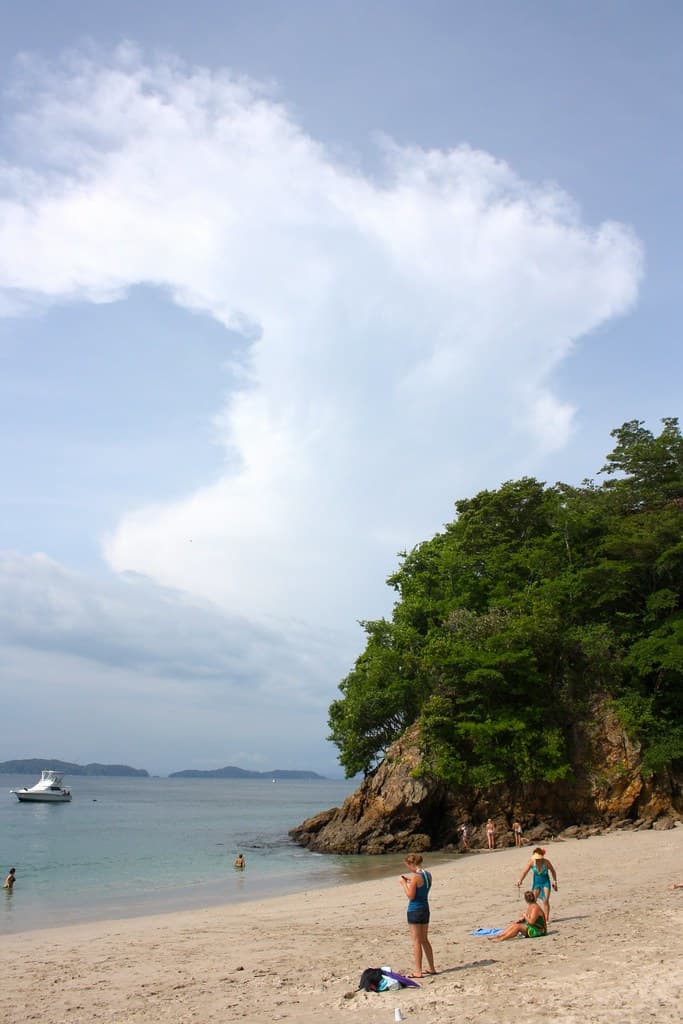
The island surfaces from the Gulf of Nicoya like a whale's back, dark rock frosted with bird guano and salt crust. What locals call Playa Pan de Azúcar occupies a small notch on the lee side, where millennia of wave action have carved shelves and pools into the basalt. The "beach" amounts to a narrow strip of cobbles and shell fragments wedged between boulders, barely enough space to pull a kayak ashore.
You'll spend your time tide-pooling rather than swimming. At low water, the shelves reveal ecosystems in miniature: anemones clenching and releasing, hermit crabs trading shells, blennies flashing between rocks. The water runs clear enough here to watch hunting herons spear finger-length fish. Above the splash zone, pelicans and frigate birds roost on the island's spine, their droppings painting the rock white against black.
 Credit: Unsplash
an aerial view of a beach and ocean
 Credit: Unsplash
a group of people carrying surfboards into the ocean
Pools carved from basalt
Anemones and hunting blennies
Boulders worn glass-smooth
Prime Visitation
Less Crowds
Where it is
Playa Pan de Azúcar
Paquera, Puntarenas, Costa Rica
9.857400°, -84.872600°
Weather
Loading…
Swell
—
Temp
Warm · Restorative
UV Index
Moderate
Wind
—
Tidal State
Last known
Max Sunlight
—
Ideal Shade
—
Jan - Dec (Peak)
May - Nov (Off-season)
Historical data suggests peak visibility and stable sea temperatures occur during the prime visitation window.
Select a category to load nearby places.
Unlock restaurants, luxury stays and curated maritime experiences within 2km
Swimming conditions depend on tides and weather in the Gulf of Nicoya. The rocky shoreline means careful entry is essential, and water shoes are recommended to protect feet from sharp surfaces. Currents can vary, so assess conditions before entering. There are no lifeguards on this small island beach, so swim conservatively and never alone. The sheltered gulf location generally offers calmer waters than the open Pacific, but always exercise caution around rocks and during changing tides.
The dry season from December to April offers the most reliable weather and calmer seas for boat access. However, visiting during the green season (May to November) means fewer crowds and lush surroundings, though occasional rain and rougher waters are possible. Weekdays are significantly quieter than weekends. Early morning visits provide the best light for photography and cooler temperatures. Plan your trip around tides if you want to explore tide pools along the rocky shoreline.
This island beach requires boat access from Paquera or nearby coastal towns in the Gulf of Nicoya. You can arrange private boat charters from Paquera, typically requiring advance booking through local operators or your accommodation. Some tour operators offer island-hopping excursions that may include this location. There is no regular ferry or water taxi service to this small island. The journey time varies depending on your departure point but generally takes 15-45 minutes by boat.
This small rocky island has no permanent facilities, restaurants, or accommodations. Visitors must bring all necessary supplies including water, snacks, sun protection, and any equipment. The nearest lodging and dining options are in Paquera on the mainland. Pack out all trash to preserve the pristine environment. Consider bringing a picnic and plenty of drinking water for your visit. Most visitors treat this as a day trip from accommodations in Paquera or other Gulf of Nicoya communities.
This tiny rocky island offers exceptional isolation and a true castaway experience rare in the Gulf of Nicoya. Unlike sandy beaches, the rocky shoreline creates unique tide pool ecosystems worth exploring. The island's small size means you can often have the entire place to yourself, especially on weekdays. Its position in the gulf provides dramatic views of surrounding islands and mainland mountains. The boat-only access filters out casual visitors, making it ideal for those seeking genuine seclusion and natural beauty away from developed beach areas.
Photos