
Counting the waves…
Counting the waves…
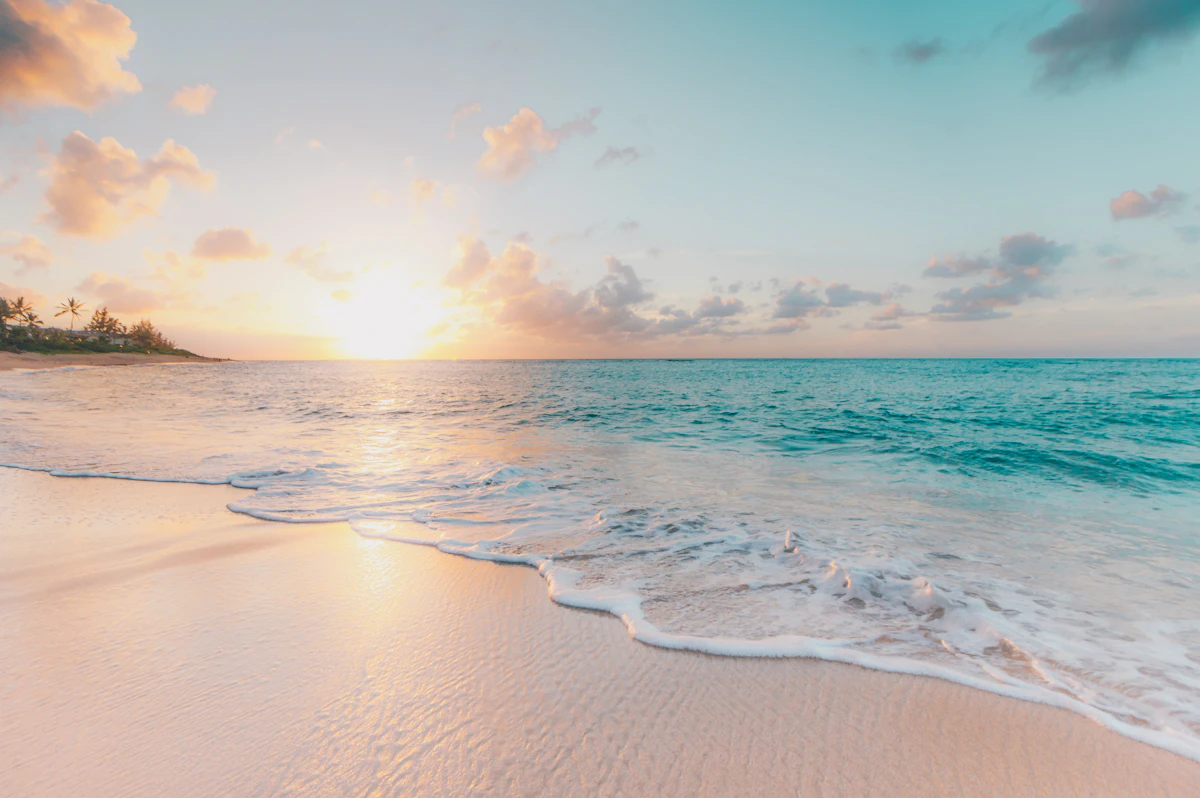
The sand at Pavoncito feels coarse underfoot, each grain a fragment of ancient volcanic stone worn smooth by centuries of Pacific tumult. Reaching the beach requires navigating a rutted track through a tunnel of vegetation so dense it filters the sunlight to a green twilight. You emerge blinking onto a shoreline that seems to exist outside the usual tourist geography. Surfers dot the lineup like punctuation marks on a long, rolling sentence. The waves lack the mechanical perfection of the Pavones point break just south, but they offer something rarer: solitude. On a good swell, you might share the water with three others, maybe four. Between sets, you can hear howler monkeys bellowing in the forest canopy behind the beach. The village itself barely qualifies as such—a scattering of tin-roofed structures, a pulpería selling warm beer and stale crackers, a handful of surfers who've traded careers for consistency. At dusk, the black sand radiates the day's accumulated heat while the sky bleeds orange into purple. Someone lights a driftwood fire. The conversation, if there is any, centers on tomorrow's tide chart and whether the swell will hold.
Places, rentals, tours and events within walking and driving distance of Playa Pavoncito.
Photos
Playa Pavoncito attracts surfers seeking less crowded waves than nearby Pavones. The beach offers consistent surf, though conditions vary seasonally and with swell direction. For swimming, exercise caution as currents can be strong and there are no lifeguards. The surf-oriented nature means the water can be rougher than at protected beaches. Experienced swimmers and surfers will appreciate the uncrowded conditions, but beginners should be mindful of their skill level and always check local conditions before entering the water.
For surfing, the rainy season from May to November brings the biggest swells, with consistent waves peaking from June to September. The dry season (December to April) offers better weather for general beach activities with calmer conditions and sunny skies. Visiting during shoulder seasons provides a balance of decent surf and pleasant weather with minimal crowds. Early mornings offer the best conditions before afternoon winds pick up. Sunset viewing is spectacular year-round, making late afternoon visits rewarding regardless of season.
Playa Pavoncito is accessible from Punta Banco via rough coastal roads requiring a 4WD vehicle, especially during rainy season. The beach is located near the small community of Punta Banco in the remote southern zone of Puntarenas. From the main settlement, follow local roads toward the coast; asking locals for directions is helpful as signage is minimal. The area is quite isolated, so ensure your vehicle is in good condition and you have adequate fuel. Travel times vary depending on road conditions.
Punta Banco and the surrounding area have very limited tourist facilities. A few basic sodas serve traditional Costa Rican meals, and some local families may offer simple accommodations or homestays. For more reliable options, consider staying in Pavones, about 30-45 minutes north, which has surf lodges, hotels, and restaurants. Bringing your own food and water is advisable when visiting Pavoncito. The remote location means amenities are basic, so plan accordingly and stock up on supplies in larger towns beforehand.
While Pavones is world-renowned for its long left point break and surf tourism, Playa Pavoncito remains largely undiscovered and authentically local. The beach offers a quieter surf experience without the crowds that can gather at Pavones point during prime swell. Its remote location near Punta Banco creates a more adventurous, off-the-beaten-path atmosphere. The local community maintains a traditional lifestyle, and development is minimal. For surfers and travelers seeking solitude and genuine coastal culture over amenities, Pavoncito provides an uncommercialized alternative.