Counting the waves…
Counting the waves…

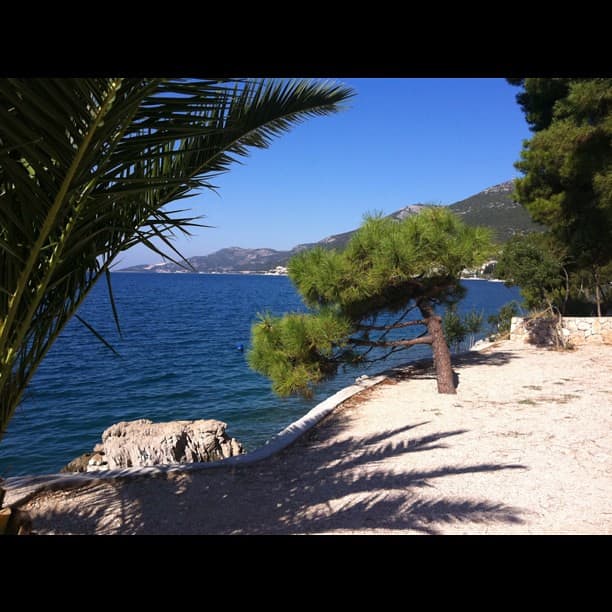
Vučine occupies the western half of Žuljana's harbor, separated from the main village beach by a low rocky finger that blocks the worst of the afternoon wind. That geography makes it the go-to spot when the Maestral builds to 15 knots and the eastern bay turns choppy. You'll find families who've migrated from the windward side, resetting their umbrellas and towels in the reliable calm. The pebbles here are smaller than Divna's, closer to gravel, and they've been smoothed by centuries of wave action into shapes that don't bruise feet as badly as angular shingle. Wade out and the seabed continues visible—pale rocks, patches of seagrass, the occasional fish hovering in place. Snorkelers follow the shoreline north where the bay curves and larger boulders create mini-habitats for octopus and juvenile grouper. The water depth increases gradually; you can walk out 20 meters and still touch bottom. Žuljana remains quiet compared to Orebić or Viganj farther north—a farming and fishing village that happens to have excellent swimming rather than a resort that tolerates agriculture. The handful of konobas serve whitefish caught that morning, and the apartments for rent are in family homes, not purpose-built blocks. Vučine reflects that scale: there are no organized beach sections, no sunbed operators, no jet-ski rentals. Just clean water, reliable shelter from wind, and enough space that even in August you can find a stretch of pebbles to call your own.
Places, rentals, tours and events within walking and driving distance of Vučine Beach.
Photos
Vučine Beach is excellent for families, offering calm, sheltered waters ideal for children. The bay's protected position shields it from strong winds and waves, creating gentle swimming conditions. The clear, shallow water near shore allows easy supervision of young swimmers. Pebble beaches provide stable footing, though water shoes add comfort. The beach's reputation for family appeal means you'll find other families and a relaxed atmosphere. Basic facilities are available seasonally, though the beach maintains a natural, uncommercialized character that families seeking quieter alternatives to busier beaches appreciate.
The best time to visit Vučine Beach is June or early September for pleasant weather with fewer visitors. Žuljana remains relatively quiet even in peak summer compared to major resorts, but July and August bring warmer sea temperatures (24-26°C) ideal for extended swimming and snorkeling. Early mornings offer the calmest water and best visibility for snorkeling. The sheltered bay provides consistent conditions across seasons. Avoid days with strong southern winds, though the bay's orientation provides natural protection from most wind directions.
Vučine Beach is located in Žuljana, a small village on the southern coast of Pelješac Peninsula. From Dubrovnik, drive approximately 100 kilometers north along the coast, crossing onto Pelješac and following signs to Žuljana—the journey takes about 2-2.5 hours. The road to Žuljana includes winding sections through scenic landscape. Limited parking is available near the beach. Public transportation to Žuljana is minimal, making a car the most practical option. The beach is easily accessible within the compact village, just steps from accommodation and dining.
Žuljana offers a small selection of family-run konobas (taverns) serving fresh seafood, grilled fish, and traditional Dalmatian dishes, most within walking distance of Vučine Beach. The village atmosphere is authentically local rather than resort-style. Accommodation consists primarily of private apartments, rooms, and small guesthouses, many family-operated with direct beach views. A small shop provides basic supplies. The limited but quality options suit travelers seeking quieter, more intimate coastal experiences. Many visitors appreciate Žuljana's uncommercialized character and personal hospitality.
Vučine Beach's exceptional water clarity makes it one of Pelješac's better snorkeling spots. The sheltered bay creates calm conditions that maintain excellent underwater visibility, allowing snorkelers to observe the rocky seabed, marine vegetation, and fish populations. The clear turquoise water reveals underwater features from the surface, helping snorkelers navigate safely. Rocky areas around the bay's edges provide habitat for various sea life. While not a dedicated snorkeling destination with extensive reefs, the combination of clarity, calmness, and natural beauty makes casual snorkeling rewarding for families and recreational snorkelers.