Counting the waves…
Counting the waves…
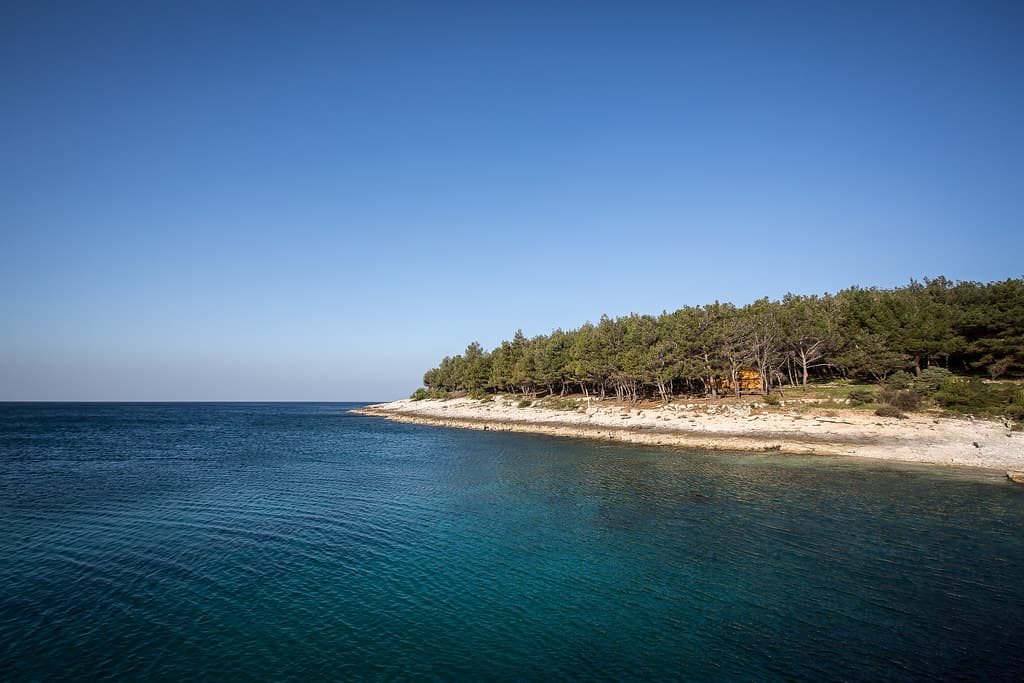
The eastern coast of Istria unfolds in gentle interruptions—rocky headlands, farm tracks, and bays like Duga Uvala that feel less discovered than simply inhabited by those who know. You park along a gravel shoulder above the village of Marčana and descend through scrub oak and fig to a shoreline of rounded pebbles worn smooth by centuries of tide. The water here is warmer than the west-coast beaches, the currents calmer, the afternoon light softer as it filters through maritime pine. Families stake out patches beneath the trees, spreading blankets over the stones while children wade into water so shallow and transparent you can count the pebbles beneath their ankles twenty meters out. There are no loungers, no beach clubs, no thumping sound systems—just the rhythmic hiss of small waves sorting stone and the occasional call of a gull working the shallows. A few local fishing skiffs bob at anchor near the southern point. By late afternoon the bay empties. The sun slants low across the Kvarner Gulf, gilding the water, and the only sound is the tick of cooling stones and the whisper of wind through the pines. You gather your things slowly, reluctant to leave a place that asks so little and offers exactly enough.
Places, rentals, tours and events within walking and driving distance of Duga Uvala Beach.
Photos
Duga Uvala is generally safe for swimming thanks to its sheltered bay position on Istria's east coast, which protects it from strong waves and currents. The pebble bottom provides good footing, though water shoes are recommended for comfort. The gradual entry makes it suitable for children, though supervision is always advised. As a less-developed beach, there may be limited lifeguard services, so check locally upon arrival. The calm conditions and family-friendly atmosphere make it popular with local Croatian families during summer months.
The optimal time to visit Duga Uvala is May through September when water temperatures are warmest and weather most reliable. June and early September offer the best balance of pleasant conditions and smaller crowds compared to peak July-August. Mornings tend to be quieter throughout the season. The sheltered bay position means it's often swimmable even when western Istrian beaches face afternoon winds. Being off the main tourist trail, Duga Uvala remains relatively peaceful even during Croatian school holidays, making it attractive for those seeking a more authentic local beach experience.
Duga Uvala is best reached by car, located southeast of Marčana town in eastern Istria. From Pula (approximately 20-25 km), follow signs toward Marčana, then look for local signage to Duga Uvala bay. Parking is typically available near the beach, though spaces may be limited during peak season. Public transport options are limited in this rural area, so renting a car is highly recommended. The access road may be narrow and winding in places. GPS coordinates will help, as signage in less-touristed eastern Istria can be sparse.
Duga Uvala has limited on-site facilities, reflecting its quieter, less commercial character. You may find a small beach bar or seasonal konoba (tavern) nearby, but it's wise to bring snacks and water. The town of Marčana, a short drive away, offers restaurants serving traditional Istrian cuisine and grocery stores for supplies. Accommodation options include private apartments and rural agrotourism properties in the surrounding area rather than large resorts. For wider dining and lodging choices, Pula is within 30 minutes' drive and offers hotels, guesthouses, and diverse restaurants.
Duga Uvala stands out as a sheltered east-coast alternative to Istria's busier western shoreline. While west-coast beaches near Rovinj and Poreč draw large crowds, this bay offers a quieter, more local atmosphere with scenic views across the Kvarner Gulf. The east-facing position means beautiful morning light and protection from the prevailing westerly winds that can affect other Istrian beaches. Its location away from major resort towns preserves an authentic Croatian coastal character. The pebble shore and clear water attract those seeking natural beauty without overdevelopment or mass tourism infrastructure.