Counting the waves…
Counting the waves…
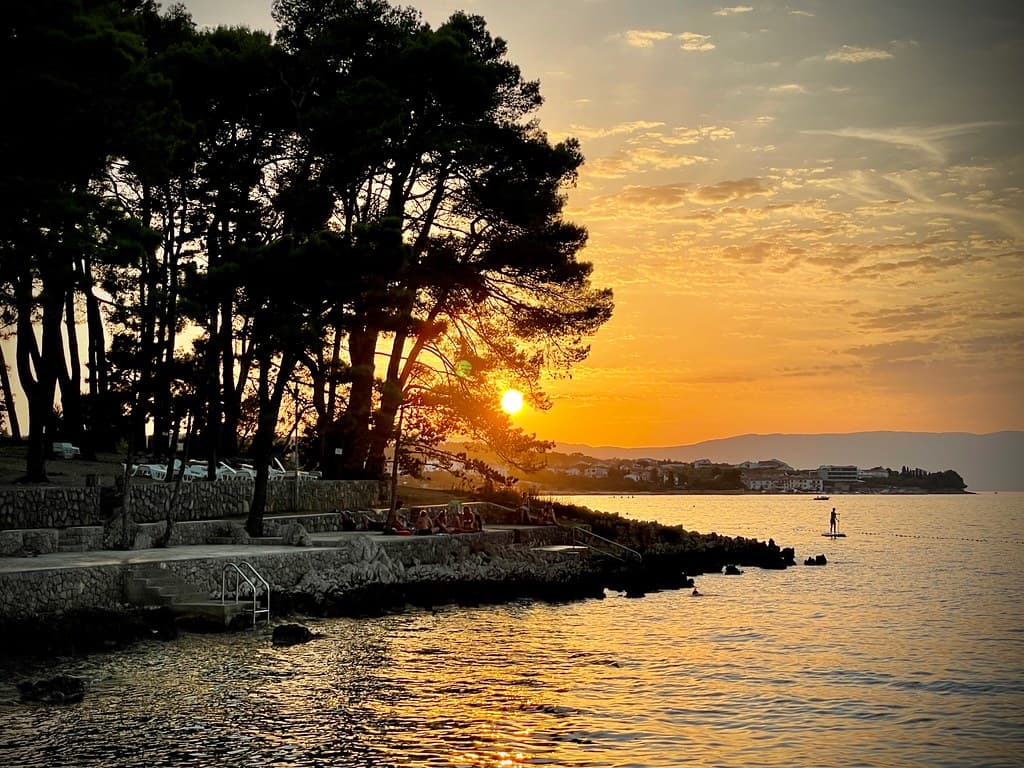
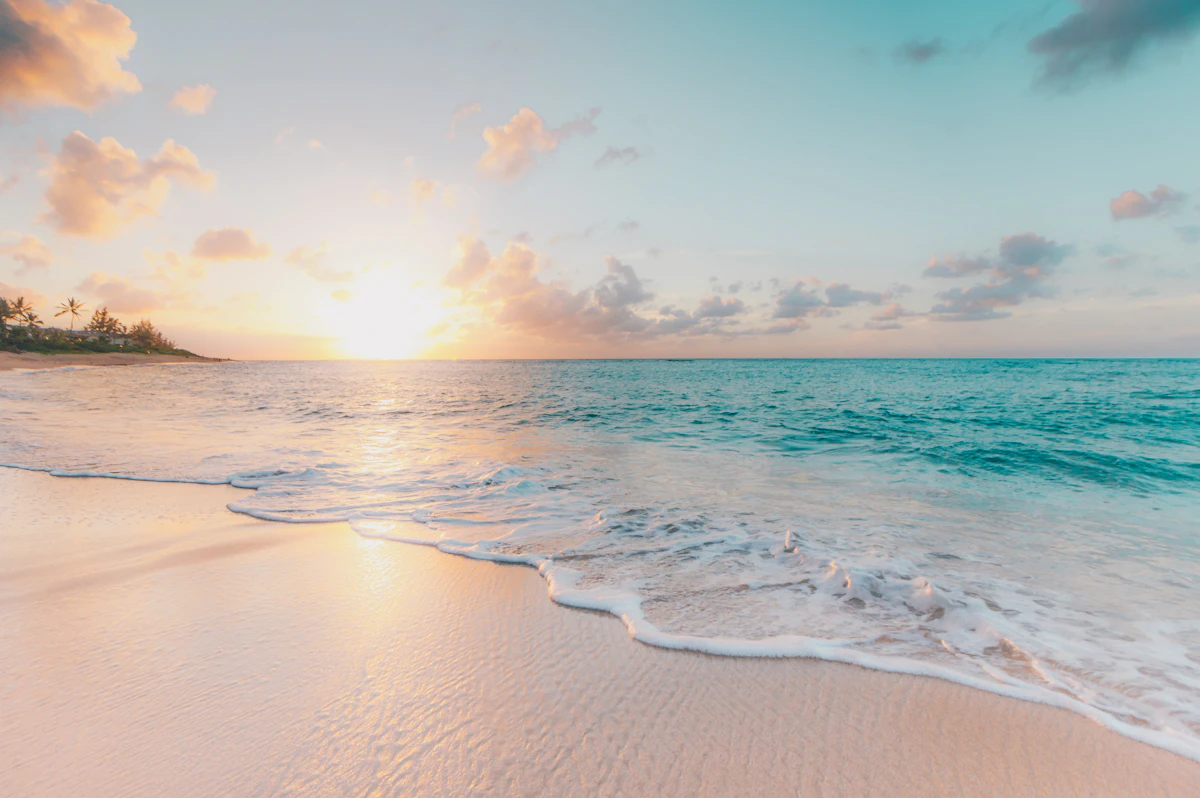
The footpath from Beli village winds through scrub oak and wild fennel before dropping steeply toward the shoreline. Your feet meet rounded stones worn smooth by Adriatic currents, each step producing a soft clatter that echoes off the surrounding cliffs. Above, griffon vultures nest in the rock face, their shadows crossing the shallows as they ride thermal currents. You'll wade into water so transparent that individual pebbles remain visible ten meters out. The seabed slopes gradually, making this stretch ideal for extended swims along the coastline. Pine branches overhang portions of the beach, offering scattered shade during midday hours. Fishing boats occasionally motor past the headland, their engines a distant hum against the constant whisper of wavelets on stone. The medieval village perches on the bluff above, its terracotta roofs and bell tower forming a composition that shifts with the sun's angle. By late afternoon, golden light washes across the cliff face, warming the grey limestone to honey tones. You'll find no beach bars or loungers here—just the elements that have defined this coastline for millennia: stone, sea, and the calls of seabirds wheeling overhead.
Places, rentals, tours and events within walking and driving distance of Beli Beach.
Photos
Beli Beach is family-friendly with clear, calm waters and a pebble shore. The beach is relatively sheltered, making it suitable for children, though water shoes help on the pebbly surface. The water is clean and inviting for young swimmers. However, reaching the beach requires descending from Beli village above, which may be challenging with small children or strollers. There are no lifeguards, so parental supervision is essential. The peaceful atmosphere and beautiful setting make it worthwhile for families with older children who can manage the access path.
Beli Beach is best visited during summer months from June through September when weather is warmest and sea temperatures are most comfortable. July and August offer peak conditions but attract more visitors. Early summer and September provide pleasant weather with fewer crowds. The beach's northern location on Cres means it can be cooler and windier than southern beaches. Morning visits often provide calmer conditions. The historic village of Beli above is worth exploring, so combine beach time with village sightseeing for a full experience.
Beli Beach is reached via a descending path from the hilltop village of Beli on Cres island's northeastern coast. The walk down takes approximately 15-25 minutes through scenic terrain, though the path can be steep and rocky in places. Wear appropriate footwear and bring water. Parking is available in Beli village. The return climb requires moderate fitness. Some areas of coastline near Beli are accessible by boat. The village itself is accessible by car from other parts of Cres island via coastal and inland roads.
Beli Beach itself has minimal facilities, so visitors should bring supplies for the day. The village of Beli above offers some seasonal dining options, small shops, and limited accommodation including rooms and apartments. The selection is modest given Beli's small size and remote character. Bringing your own food and drinks is advisable, especially during quieter periods when village establishments may have limited hours. The nearest town with fuller services is Cres, approximately 20 kilometers away, offering supermarkets, restaurants, and various accommodation options.
Beli Beach sits below one of Cres island's most charming historic villages, perched dramatically on cliffs above. The combination of the ancient hilltop settlement and pristine turquoise waters below creates exceptional scenic beauty. The area is known for griffon vultures, which nest in nearby cliffs—Beli hosts a rescue center for these rare birds. The beach offers a picturesque setting with clear waters framed by the dramatic coastal landscape and the medieval village architecture visible above, making it uniquely photogenic and culturally interesting.