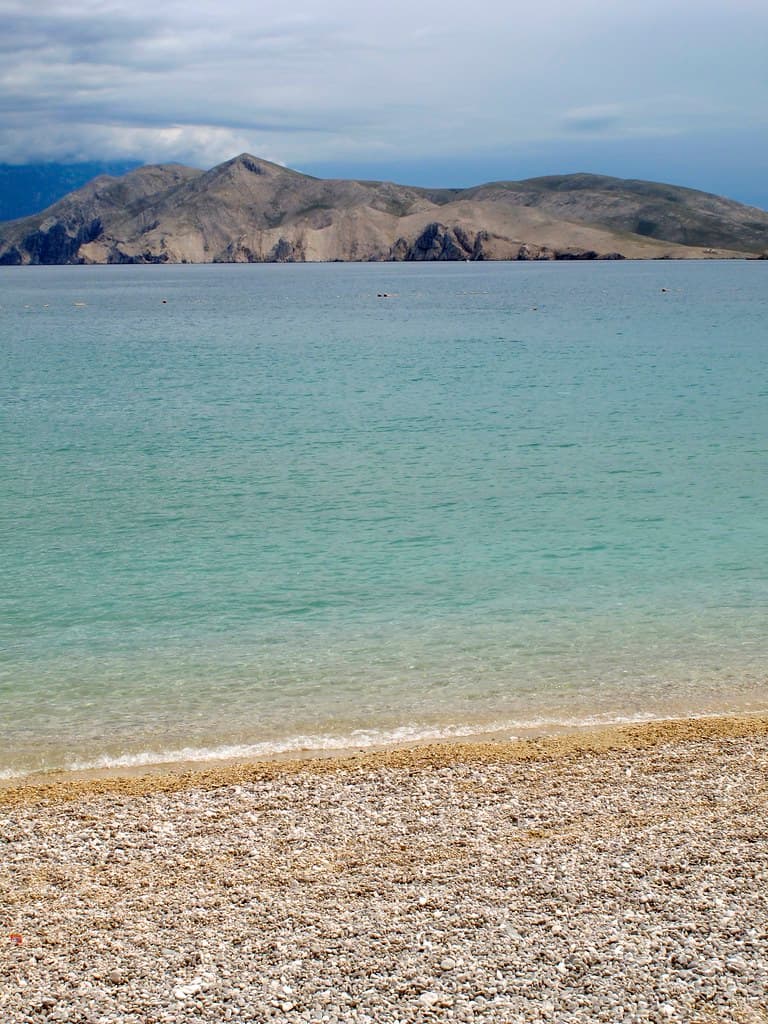
Counting the waves…
Counting the waves…
Sand beneath your feet on a Croatian island feels unusual—most beaches here are stone. But Lopar's sandy peninsula extends to this southeastern corner, where wind and weather have shaped the backdunes into fluid sculptures. The formations tower several meters high, their surfaces marked with patterns that shift after each storm. Sparse vegetation clings to the crests: sea holly, Mediterranean grasses that whisper continuously in the prevailing winds. Clothing remains optional here, a tradition that draws visitors seeking seclusion and uninterrupted tanning. The beach faces southeast, catching morning light that illuminates the dunes' contours. You'll wade into shallow water that warms quickly in summer months, its sandy bottom extending far from shore. Small fish dart between submerged rocks at either end of the cove, while the main stretch remains clear and swimmable. The walk from Lopar's developed center takes twenty minutes along a coastal path. You'll pass through low maquis scrubland fragrant with rosemary and immortelle. Most visitors turn back at the more accessible beaches, leaving this southern reach to those willing to walk further. By afternoon, the dunes cast long shadows across the sand, creating pockets of shade. The unusual topography makes this stretch immediately recognizable—you won't confuse it with anywhere else on Rab.
Places, rentals, tours and events within walking and driving distance of Ciganka Beach.
Photos
Ciganka Beach is generally safe for swimming with calm, clear waters typical of the Lopar peninsula. The sandy seabed slopes gently, making entry comfortable. However, as a more secluded beach, there are no lifeguards on duty, so swimmers should exercise caution and be aware of their abilities. The beach is somewhat sheltered, but check local conditions on windier days. Basic safety means staying aware of your surroundings and avoiding swimming alone at this quieter location.
The best time to visit Ciganka Beach is May through June or September for pleasant weather with fewer crowds. July and August offer the warmest sea temperatures and guaranteed sunshine, but expect more visitors. The beach's orientation and sheltered position make it enjoyable throughout the summer season. Spring and early autumn provide a more peaceful experience while still offering comfortable swimming conditions. Weekdays are generally quieter than weekends during peak season.
Ciganka Beach is located on the Lopar peninsula near the village of Lopar on Rab island. From Lopar town, follow coastal paths or small roads toward the northeastern beaches—it's within walking or short cycling distance. The beach is less developed than nearby Rajska Plaža, so look for local signage or ask residents for directions. Parking may be limited near the beach itself. The ferry to Rab island operates from the mainland, and Lopar is approximately 12-15 kilometers from Rab town.
Ciganka Beach is relatively undeveloped with limited facilities directly at the beach. The nearby village of Lopar, a short distance away, offers various restaurants, cafes, and accommodation options including hotels, apartments, and campsites. You'll find more dining choices in Lopar village center. It's advisable to bring your own refreshments and snacks for a day at Ciganka Beach itself. Lopar serves as the practical base for visiting this and other nearby beaches on the peninsula.
Ciganka Beach is distinctive for its unusual eroded sand dunes that create a unique coastal landscape in this part of Croatia. These natural formations, shaped by wind and weather over time, provide an almost desert-like backdrop that contrasts beautifully with the Adriatic waters. The dunes add scenic interest and photographic appeal while offering some natural shelter. This geological feature is relatively rare along the Croatian coast, making Ciganka stand out among Lopar's many sandy beaches and attracting visitors seeking something visually different.