Counting the waves…
Counting the waves…

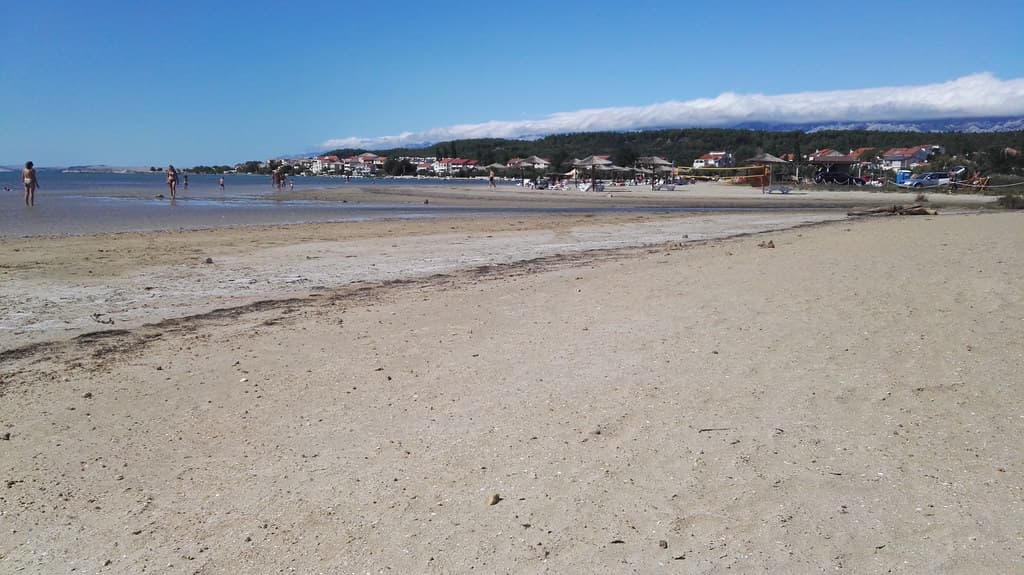
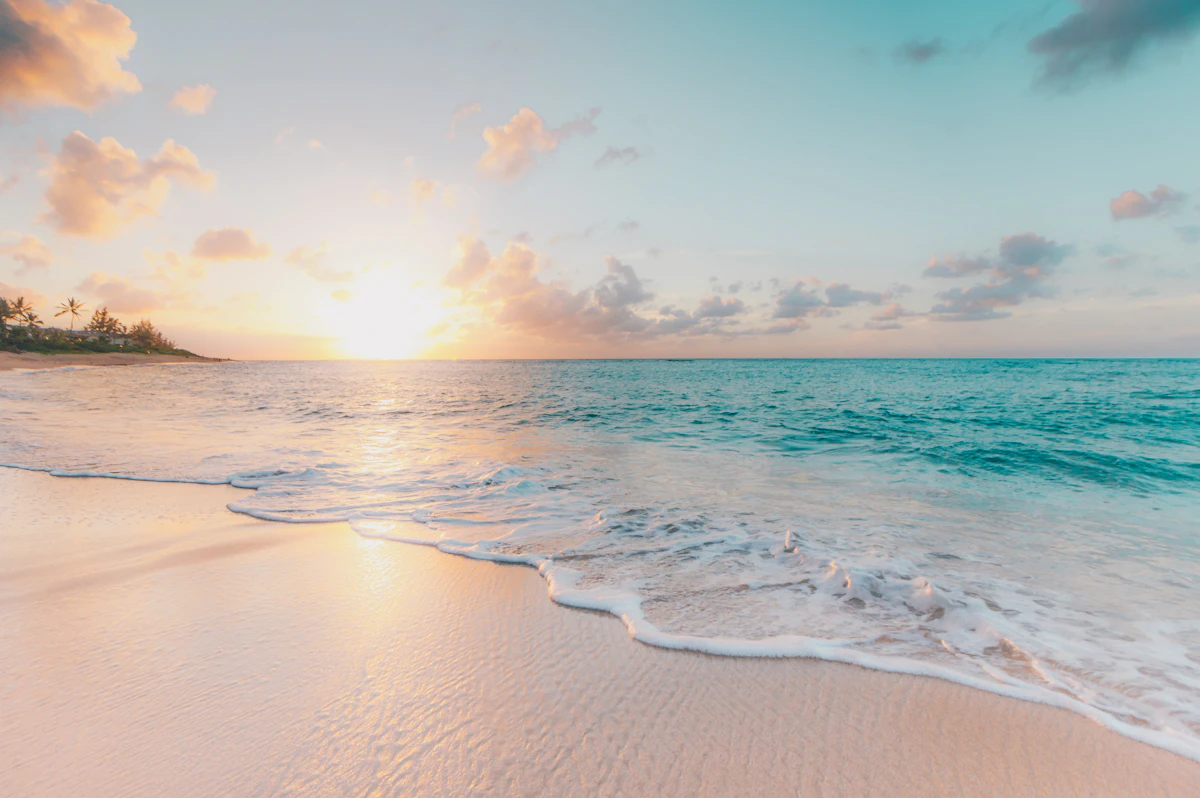
You park under a stand of Aleppo pine and follow a narrow footpath to the shore, where the beach unfolds in a series of shallow bays separated by low rock spurs. Families claim patches of shade, kids launching themselves off flat ledges into water that deepens gradually, predictably. There's no mega-resort veneer here—just a handful of small guesthouses, a konoba grilling whole brancin, and the occasional fisherman mending nets on an overturned skiff. The swimming is straightforward and satisfying: steady depth, clean entry, visibility good enough to spot wrasse nosing through posidonia beds. You float on your back and take in the Velebit's profile, its pale limestone flanks catching the afternoon light, shadows pooling in the ravines. By late afternoon the beach empties except for a few Croatian grandmothers doing slow breaststroke parallels, their strokes timed to decades of habit. Sunset is the main event. The light goes amber, then rust, then a brief flare of magenta that silhouettes the peaks and turns the pebbles underfoot into a mosaic of rose and gray. You sit on the shore with a beer from the village shop, watch the color drain westward, and realize you've spent six hours here without once feeling the need to be elsewhere.
Places, rentals, tours and events within walking and driving distance of Rtina Beach.
Photos
Rtina Beach is generally safe for swimming with calm, clear waters typical of this protected coastal area. The pebble beach provides good seabed visibility, and the Velebit-facing location means the beach is somewhat sheltered. It's suitable for families, though water shoes are helpful on the pebbles. As this is a quieter, less developed beach, organized lifeguard services may not be present, so swimmers should exercise normal caution and supervise children carefully. Local conditions are typically gentle, making it appropriate for relaxed swimming.
Rtina Beach is naturally quiet throughout the season, being located away from major resort areas. For the most peaceful experience, visit during June or September when weather remains good but tourist numbers are lower. Weekdays are consistently quieter than weekends, even in July and August. Early mornings and late afternoons offer additional tranquility and beautiful light for enjoying the Velebit views. The beach's appeal lies precisely in its uncrowded, simple character, so you can expect a relaxed atmosphere whenever you visit during the swimming season.
Rtina Beach is located near Ražanac, approximately 25 kilometers southeast of Zadar. From Zadar, take the D8 coastal road southward toward Ražanac; the drive takes roughly 30 minutes. Look for signs to Rtina village. If using public transport, buses run between Zadar and the Ražanac area, though service may be limited and you might need a short walk or taxi to reach the beach itself. Parking is generally available near the beach. The route offers scenic coastal views of the Velebit mountains.
Rtina and nearby Ražanac are small villages with basic facilities. You'll find a few local restaurants and konobas serving Croatian cuisine and seafood, though options are limited compared to larger resorts. Accommodation consists mainly of private apartments and small guesthouses offering simple, comfortable rooms. This area caters to visitors seeking quiet and authenticity rather than extensive tourist infrastructure. For more dining and lodging variety, Zadar is a short drive away. Booking accommodation in advance during summer months is advisable given the limited capacity.
Rtina Beach's defining feature is its spectacular view of the Velebit mountain range rising dramatically across the water. This scenic backdrop creates a unique atmosphere, especially at sunset when the mountains glow in warm light. The beach offers an authentic, uncommercialised Croatian coastal experience, free from resort development and mass tourism. Its quiet, village setting appeals to travelers seeking simple pleasures: swimming in clear water, enjoying mountain views, and experiencing local coastal life at a slower pace than found in busier destinations.