
Counting the waves…
Counting the waves…
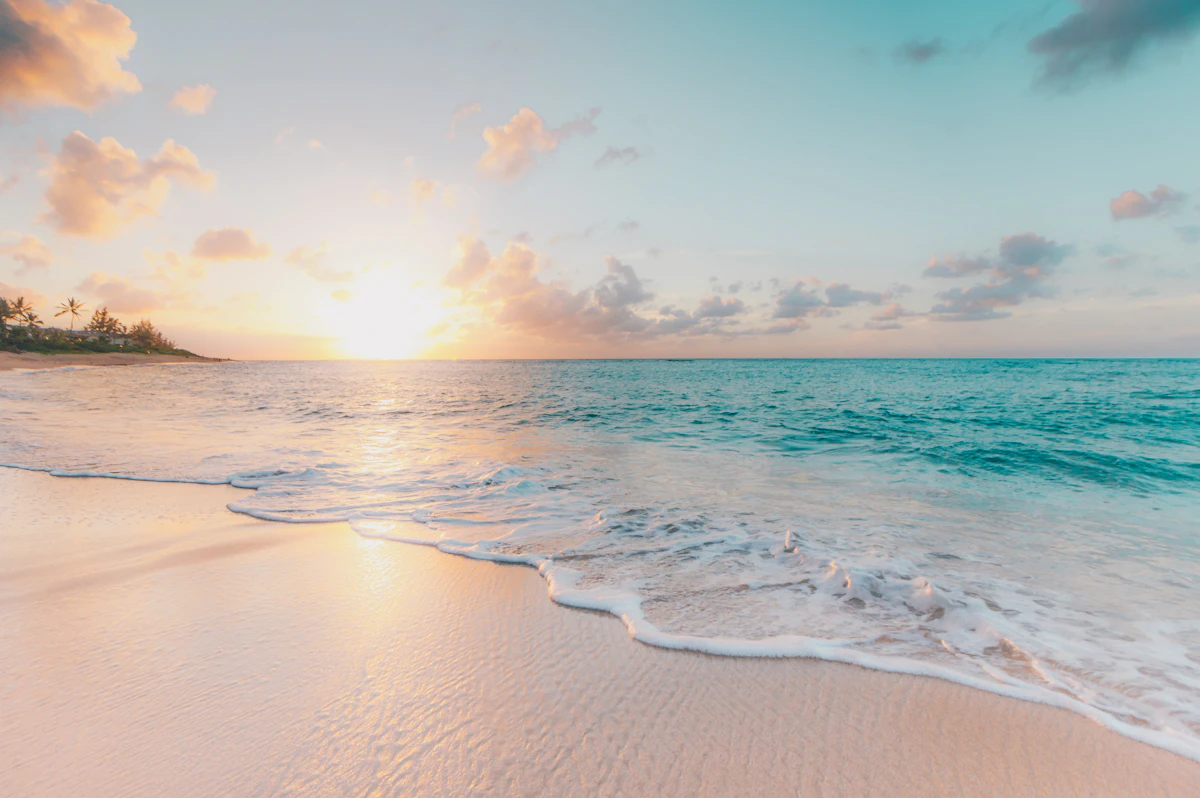
Playa Boca de Cajío is a secret whispered among those who cherish untouched natural beauty. Here, the river's cool, dark waters merge with the Gulf's azure expanse, creating a distinct thermocline you can feel on your skin. The air carries the scent of damp earth and salt, a primal perfume that grounds you. Walk the narrow strip of sand where river stones mingle with shell fragments, each piece a testament to the dual forces at play. The gentle lapping of the water is the only soundtrack, punctuated by the occasional cry of a seabird. This is a place for quiet contemplation, for reconnecting with the raw elements of Cuba's coast. As the sun dips below the horizon, painting the sky in hues of tangerine and violet, the bay transforms into a canvas of shifting light. The river's mouth, a natural gateway, invites you to witness a daily spectacle of nature's artistry, far from the well-trodden paths.
Places, rentals, tours and events within walking and driving distance of Playa Boca de Cajío.
Photos
As a river-mouth beach, Playa Boca de Cajío presents unique swimming conditions where freshwater meets the sea. This can create varying currents, especially during tidal changes or after heavy rains. The calm waters noted in the beach's description make it generally suitable for swimming, but exercise extra caution near the river outlet. Water clarity and quality may fluctuate depending on river flow. There are no lifeguards at this hidden location, so assess conditions carefully and consult locals about safe swimming areas. Avoid swimming during or immediately after storms.
This hidden bay is ideal for visitors seeking less crowded experiences year-round. Cuba's dry season from November to April offers the most predictable weather and clearer water conditions, as river flow typically decreases. The calm nature of the bay provides shelter even when coastal areas experience moderate winds. Visit during weekdays for maximum solitude. Early morning visits offer the best light and wildlife viewing opportunities where river and sea ecosystems meet. The less-crowded designation means you can enjoy peace even during typical tourist seasons, though facilities will be minimal.
Located near Güira de Melena in Artemisa Province, Playa Boca de Cajío requires navigation to a specific river-mouth location. From Havana, it's approximately 50-60 kilometers, requiring private transport, taxi, or rental car. Public transportation to Güira de Melena is limited, and reaching the actual beach from town requires local knowledge. Roads may be unpaved and poorly signed. Consider hiring a local guide or driver familiar with the area. The hidden nature means GPS coordinates may be unreliable. Ask for directions in Güira de Melena and allow extra time for finding this secluded spot.
As a hidden river-mouth beach, Playa Boca de Cajío has no commercial development or tourist facilities on-site. You must bring all necessary supplies including food, water, sun protection, and any equipment. The town of Güira de Melena, several kilometers away, offers basic Cuban restaurants and potentially some casas particulares for overnight stays. Most visitors treat this as a day trip destination. The scenic, secluded nature is precisely due to lack of development, so prepare for a self-sufficient beach experience focused on natural beauty rather than amenities.
River-mouth beaches create unique ecosystems where freshwater and saltwater environments meet, often attracting diverse wildlife and creating distinctive landscapes. Playa Boca de Cajío offers this ecological intersection in a hidden, calm bay setting largely undiscovered by tourists. The mixing waters can create interesting color gradations and support varied marine and bird life. The river's influence shapes the beach geography and provides shelter, contributing to the calm conditions. For nature enthusiasts and photographers, these transitional zones offer compelling subjects. This natural, undeveloped character provides an authentic Cuban coastal experience far from resort environments.