
Counting the waves…
Counting the waves…

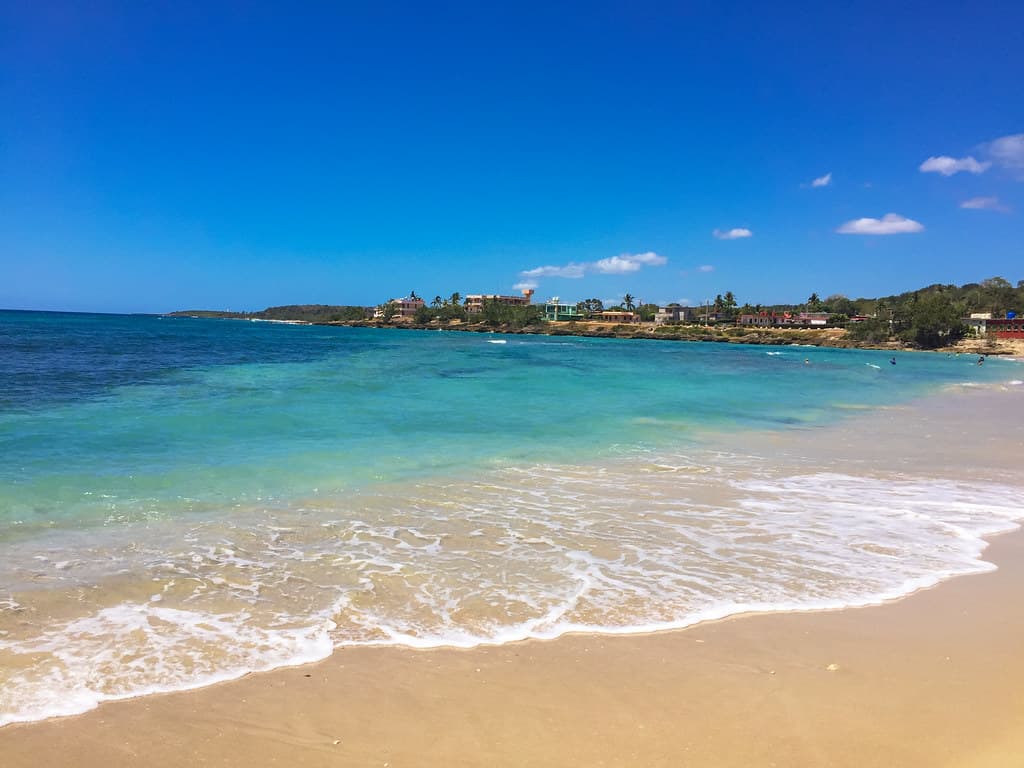
Playa La Milpa offers a refreshing departure from the typical sandy beach, presenting a rugged and scenic coastline that appeals to the adventurous spirit. This low-profile local beach is characterized by its rocky shores, which, far from being a deterrent, create fascinating natural formations and provide excellent entry points into the incredibly clear Caribbean Sea. It’s a place where the raw beauty of nature takes center stage. The true allure of Playa La Milpa lies beneath the surface. Don your snorkel gear and immerse yourself in a vibrant underwater world. The rocky seabed fosters a diverse ecosystem, teeming with colorful fish, intricate corals, and other marine creatures. The water clarity is often exceptional, offering unobstructed views of this aquatic spectacle, making every swim an exploration. This hidden gem is perfect for those who appreciate scenic beauty and active discovery over sunbathing on soft sand. Pack sturdy water shoes to navigate the rocks, and prepare for an invigorating experience. Playa La Milpa is a testament to Cienfuegos' diverse coastline, offering a unique opportunity to connect with nature and uncover the hidden wonders of the Caribbean.
Places, rentals, tours and events within walking and driving distance of Playa La Milpa.
Photos
Swimming at Playa La Milpa requires more caution than at sandy beaches due to its rocky nature. The rocks can make entry and exit from the water challenging, and you'll need appropriate water shoes to protect your feet from sharp surfaces. The rocky terrain also means the water depth can change quickly and unevenly. However, these conditions create excellent opportunities for snorkeling with interesting underwater rock formations and marine life. Check conditions before entering, watch for waves that could push you against rocks, and choose your entry and exit points carefully. It's best suited for confident swimmers comfortable with rockier environments.
The best time to visit Playa La Milpa is during less crowded periods, which typically means weekdays and outside major Cuban holidays. As a hidden, low-profile beach, it naturally sees fewer visitors than places like Rancho Luna, offering tranquility most times. The dry season from November through April provides the best weather conditions for exploring the rocky coastline and snorkeling. Calmer seas during these months make navigating the rocky areas safer. Early morning visits offer the most peaceful atmosphere and often better lighting for photography of the scenic coastline. Since it's less developed, any time you visit will feel relatively uncrowded.
Playa La Milpa is a hidden, low-profile beach in the Cienfuegos coastal area, which means it may be less accessible and well-marked than major beaches. Getting there typically requires a taxi, rental car, or local knowledge of the area. Because it's not a major tourist destination, you'll likely need to ask locals in Cienfuegos for specific directions or have your accommodation host help arrange transportation. The beach may require navigating smaller roads or paths. If driving yourself, a GPS or detailed map is helpful, though asking for directions along the way is common practice in Cuba. Consider it a small adventure to reach this quieter spot.
As a low-profile local beach, Playa La Milpa has minimal to no formal food service or accommodation directly on-site. This is a beach where bringing your own supplies—snacks, water, sun protection, and any gear you need—is essential. Occasionally, local vendors might be present selling basic refreshments, but don't count on it. Most visitors stay in Cienfuegos city or at nearby beaches like Rancho Luna where hotels and casas particulares are available. The advantage is experiencing an undeveloped beach, but the trade-off is planning ahead for all your needs. Pack out all trash to help preserve its natural, hidden character.
Playa La Milpa's rocky coastline creates a distinctive snorkeling environment different from sandy beaches. The rocks and formations provide habitat for diverse marine life, including fish, crustaceans, and other creatures that shelter among the crevices. The underwater landscape is more varied and interesting than flat sandy bottoms, offering visual interest for snorkelers. Because it's less visited, the marine environment may be less disturbed than at popular beaches. The rocks also create varying depths and underwater topography to explore. Bring your own snorkeling gear as rental options are unlikely at this low-profile beach. The scenic setting above water adds to the overall experience.