
Counting the waves…
Counting the waves…

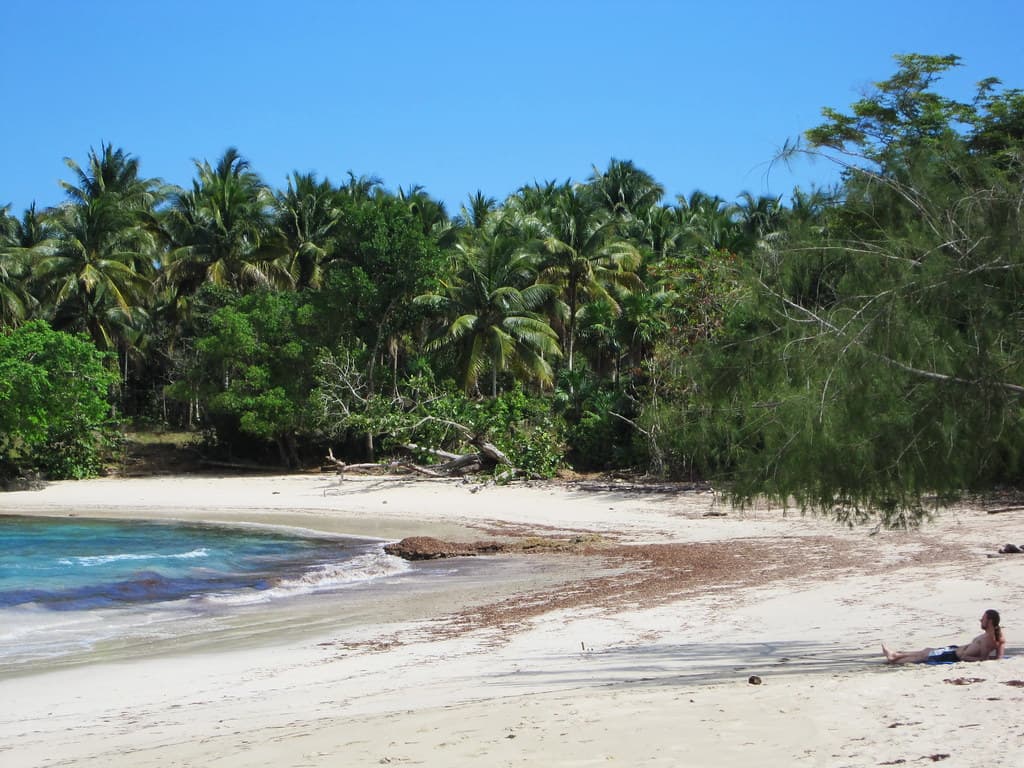
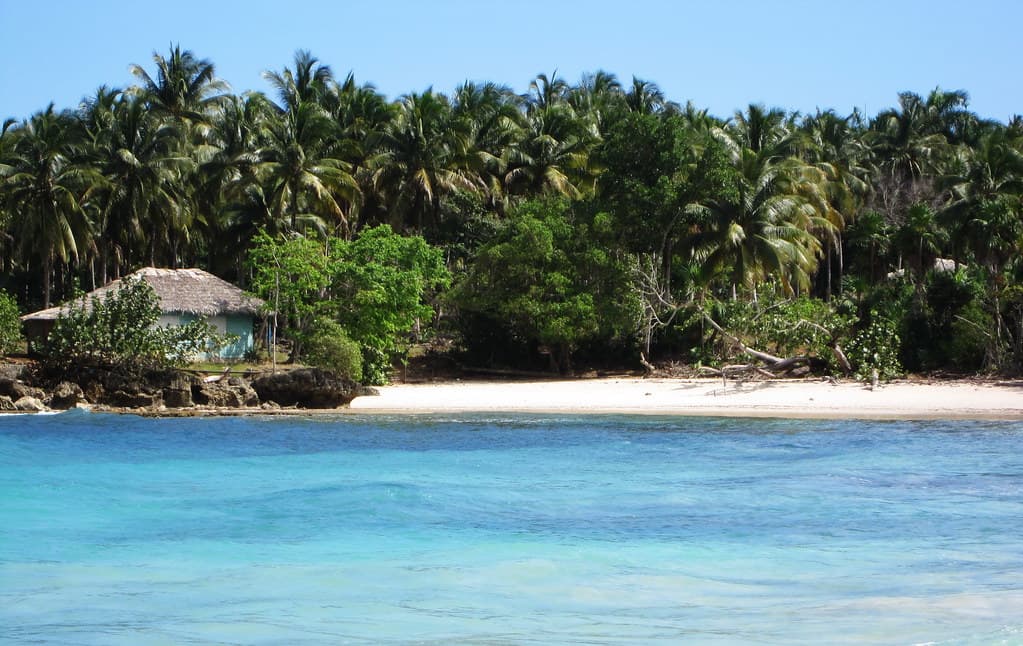
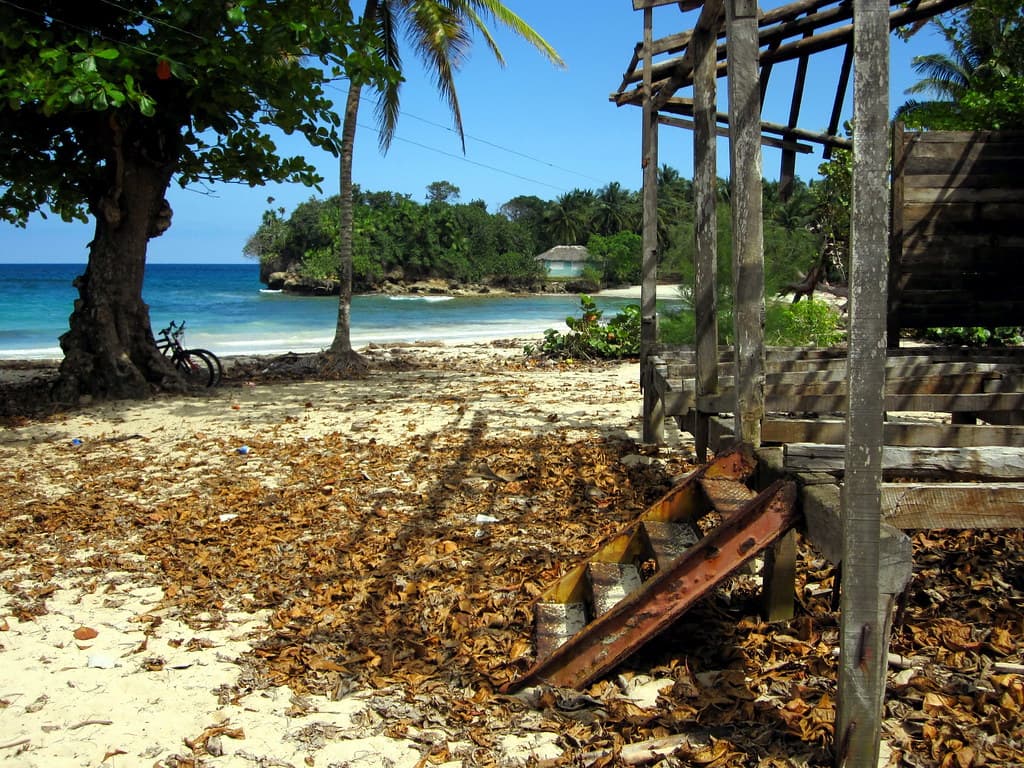
Boca de Toa Reef Edge Beach holds a special allure due to its proximity to the Toa River mouth, one of Cuba's largest and most impressive rivers. This unique confluence creates a fascinating environment where the nutrient-rich freshwater meets the saline embrace of the Caribbean, fostering a distinct ecosystem along the reef edge. The beach itself often features a mix of darker river-borne sands and lighter ocean-washed grains, reflecting its dual nature. Snorkeling here offers a different perspective than purely offshore reefs. While the immediate river mouth might have reduced visibility, venturing slightly along the reef edge reveals a vibrant underwater world. You might encounter species adapted to this transitional zone, alongside the typical reef inhabitants like colorful wrasses, damselfish, and perhaps even a curious turtle. The coral formations, though sometimes influenced by sediment, remain robust and fascinating. Above water, the scenery is equally captivating. The lush, tropical vegetation that lines the Toa River provides a dramatic backdrop, contrasting with the expansive ocean views. It's a place where you can witness local fishermen at work, their small boats navigating the river's mouth, adding a touch of authentic Cuban life to the natural splendor. This beach offers a blend of marine exploration and cultural observation, all within a stunning coastal corridor.
Places, rentals, tours and events within walking and driving distance of Boca de Toa Reef Edge Beach.
Photos
Swimming and snorkeling at river mouth locations require special consideration due to mixed freshwater and saltwater conditions. The Toa River outflow can create currents, reduced visibility from sediment, and variable salinity levels. Reef edges typically have stronger water movement and deeper drop-offs nearby. Safety depends heavily on current weather, recent rainfall affecting river flow, and tidal conditions. Snorkeling is best during calm periods with minimal river discharge. Always assess conditions carefully, avoid areas with strong currents, and consider exploring with an experienced local guide who understands the interaction between river and marine environments in this specific location.
The best time to visit is during Cuba's dry season, November through April, when weather is more stable and river flow is lower, resulting in clearer water and calmer conditions. Baracoa is Cuba's rainiest region, so even dry season offers no guarantee of perfect weather. Lower rainfall periods mean less sediment discharge from the Toa River, improving visibility for snorkeling. The area sees minimal tourist crowds year-round due to its remote location. Avoid visiting after heavy rains when river flow increases dramatically, carrying sediment and debris that reduce water clarity and create stronger currents at the river mouth.
The beach is located where the Toa River meets the sea, accessible from Baracoa. From Baracoa town, the area is typically reached by boat along the coast or by traveling inland then following the Toa River valley. Road access to the precise river mouth area may be limited or require four-wheel drive on rough tracks. The Toa is Cuba's most voluminous river and flows through pristine rainforest, making the journey itself scenic but potentially challenging. Arranging transportation with local guides or tour operators in Baracoa is advisable, as they know current road and river conditions and can provide the most reliable access.
The immediate river mouth area is remote with no developed tourist facilities. Baracoa town, the nearest significant settlement, serves as the logical base with its selection of casas particulares and small hotels. Baracoa offers restaurants and paladares serving regional specialties featuring chocolate, coconut, and fresh seafood. The town is known for its unique culinary traditions distinct from other Cuban regions. For day trips to Boca de Toa, bring food, water, and supplies as nothing is available on-site. Some eco-lodges or rustic accommodations may exist in the Toa River valley, though these are basic and require advance arrangement.
This location offers the rare combination of river mouth ecosystem meeting coral reef environment, creating unique biodiversity where freshwater and marine habitats converge. The Toa River, Cuba's largest by volume, flows through pristine UNESCO-protected rainforest before reaching the sea, bringing nutrient-rich waters that support exceptional marine life. The area's dramatic landscape combines coastal reef, river delta, and mountainous rainforest backdrop. This ecological intersection creates specialized habitats supporting species adapted to variable salinity. For naturalists and adventurous travelers, the convergence of these ecosystems in a remote, minimally visited location offers extraordinary exploration opportunities unavailable at conventional beach destinations.