
Counting the waves…
Counting the waves…
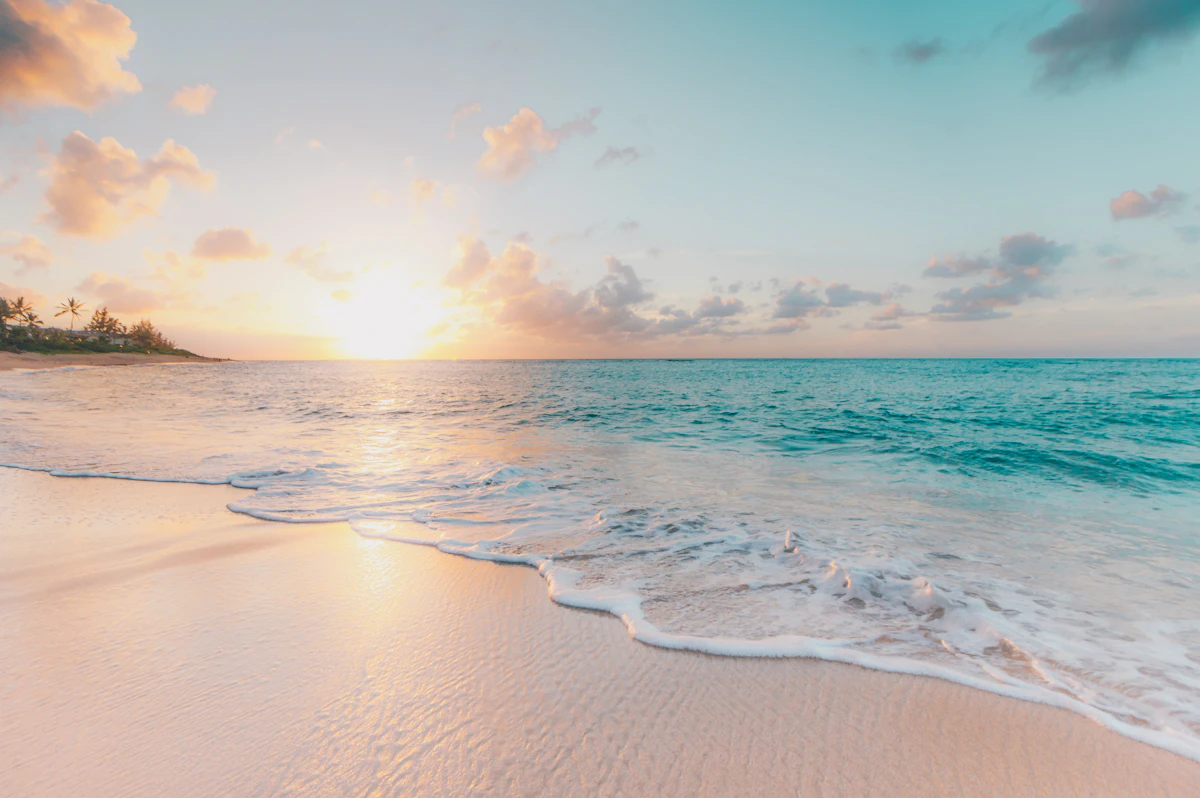
Playa Cajobabo Este offers a delightful departure from the typical sandy or rocky beach, presenting a unique landscape composed entirely of smooth, rounded pebbles. Each stone, polished by countless tides, creates a soothing symphony as the waves recede, a gentle rustle that invites tranquility. Walking barefoot here is a distinct sensory experience, a natural foot massage under the warm Cuban sun. This eastern stretch of Cajobabo provides a quiet continuation of the coastal area, subtly guiding you toward the Maisí boundary. It's a place where the horizon stretches endlessly, and the vibrant blues of the Caribbean contrast beautifully with the muted tones of the pebbles. The lack of fine sand means the water often remains exceptionally clear, inviting refreshing dips and easy exploration of the shallows. For families, the pebble beach offers a different kind of play – stacking stones, searching for unique shapes, or simply enjoying the distinct texture. It's a scenic spot for picnics, reading, or simply watching the clouds drift by. Cajobabo Este is a testament to the diverse beauty of Cuba's coastline, a hidden, peaceful haven that promises a memorable and uniquely tactile beach experience.
Places, rentals, tours and events within walking and driving distance of Playa Cajobabo Este.
Photos
Swimming at Playa Cajobabo Este requires caution due to its pebble composition and exposed coastal location. The beach lacks any formal safety services or lifeguards. Water entry over pebbles can be uncomfortable without water shoes, and wave action varies with weather conditions. During calm periods, swimming may be manageable for confident swimmers, but always assess currents and surf before entering. The remote location means emergency services are far away. Never swim alone and avoid the water during rough conditions or poor weather.
The optimal visiting period is November through April during Cuba's dry season when rainfall is lower and seas are typically calmer. Given the 'Less Crowds' designation, you'll enjoy relative solitude throughout the year. The eastern position along the coast can offer beautiful sunrise views. Avoid hurricane season (June-November) when weather becomes unpredictable and access to this remote area may be compromised. Weekdays generally see fewer local visitors. Early morning visits often provide the calmest conditions and best opportunities for beach exploration and photography.
Reaching Playa Cajobabo Este involves traveling to Cajobabo village in remote eastern Guantánamo Province. From Baracoa (the nearest significant town) or Guantánamo city, you'll need a rental car or arranged private transport, as public transportation to this area is extremely limited and unreliable. Roads along this coast can be rough and poorly maintained. The eastern section extends toward the Maisí municipality boundary. Plan for extended travel time, bring supplies, and verify current road conditions before departure from major population centers.
Food and lodging near Playa Cajobabo Este are extremely scarce. Cajobabo is a tiny settlement with very limited infrastructure; you might find a local family offering basic accommodation and simple meals, but this cannot be relied upon. Bringing your own food and water is essential. There are no restaurants, shops, or formal beach services. Most travelers base themselves in Baracoa and visit as a day trip, which provides access to reliable casas particulares and restaurants. Always make advance arrangements if attempting to stay overnight in this remote region.
Playa Cajobabo Este represents the eastern continuation of the historically significant Cajobabo coastline, extending toward the Maisí boundary. Its pebble beach character distinguishes it from rockier western sections, offering a different coastal texture. The extreme remoteness and lack of development create an authentic wilderness experience rarely found in modern Cuba. This beach appeals to adventurous travelers seeking pristine, unvisited coastlines and those exploring Cuba's most isolated eastern reaches. The area provides genuine solitude and natural coastal scenery without any tourist infrastructure.