Counting the waves…
Counting the waves…

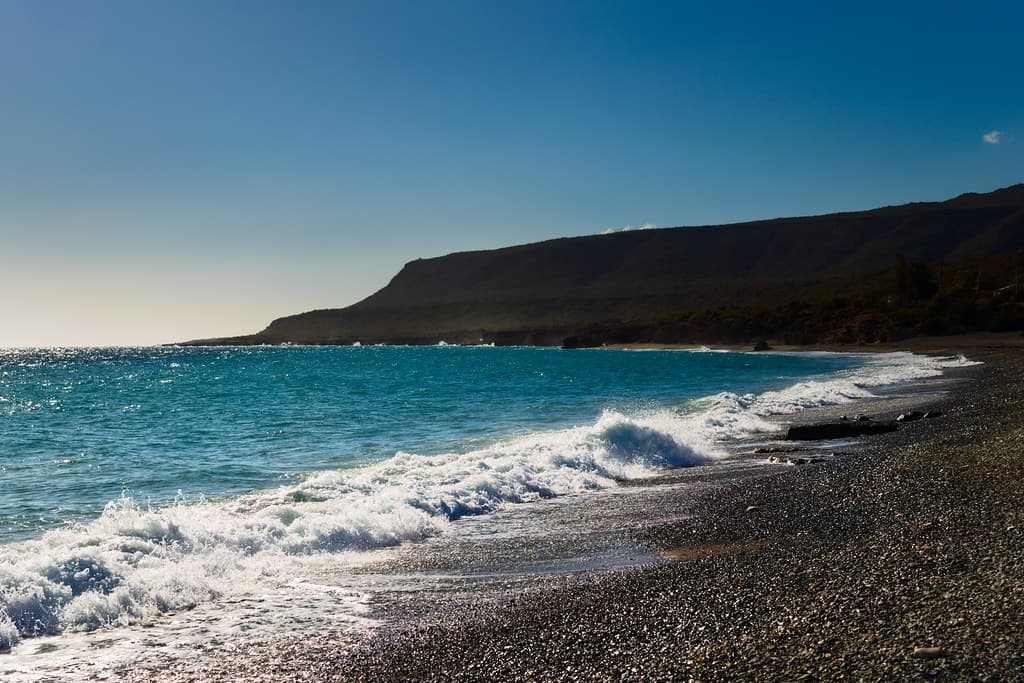
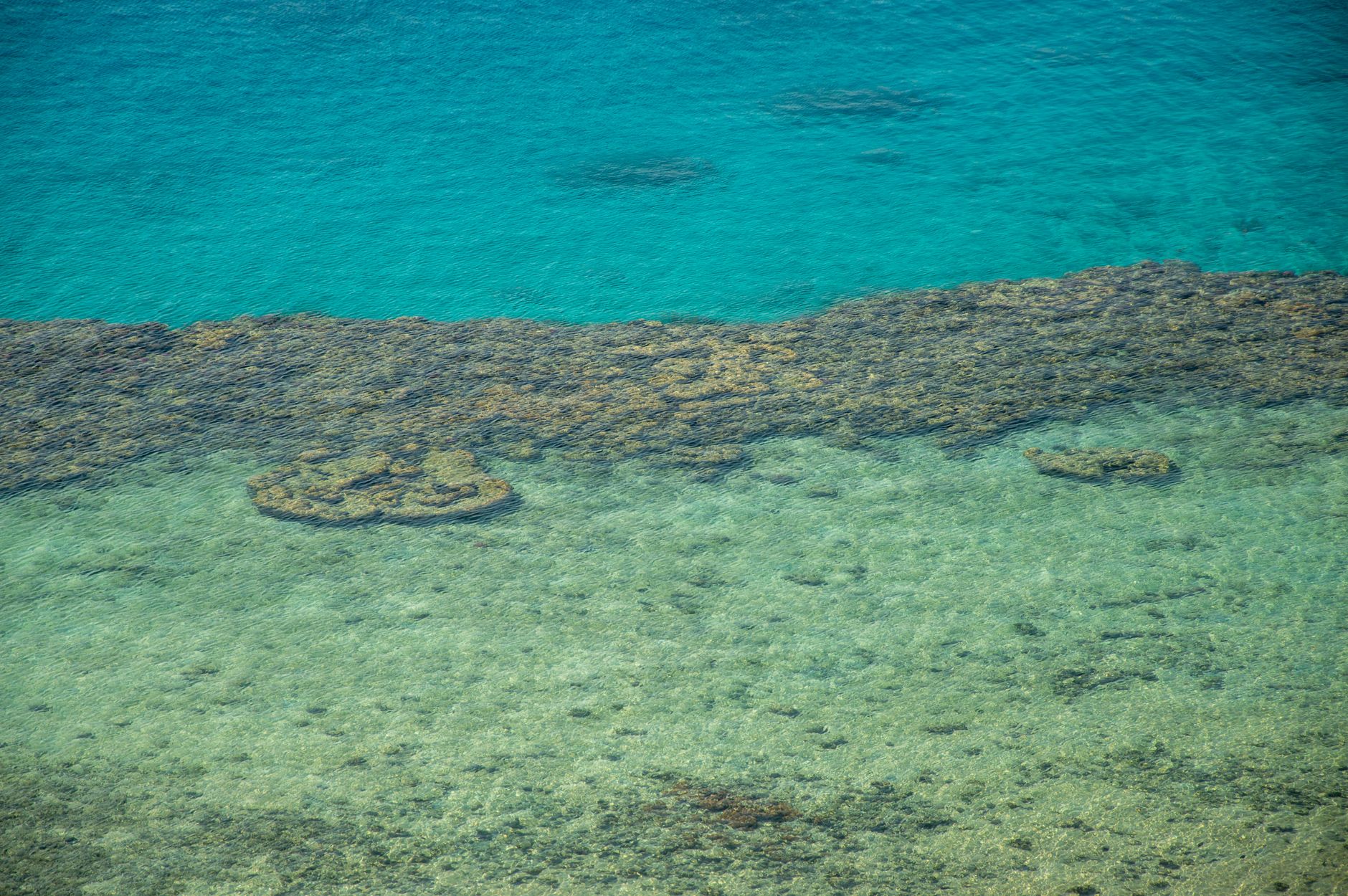
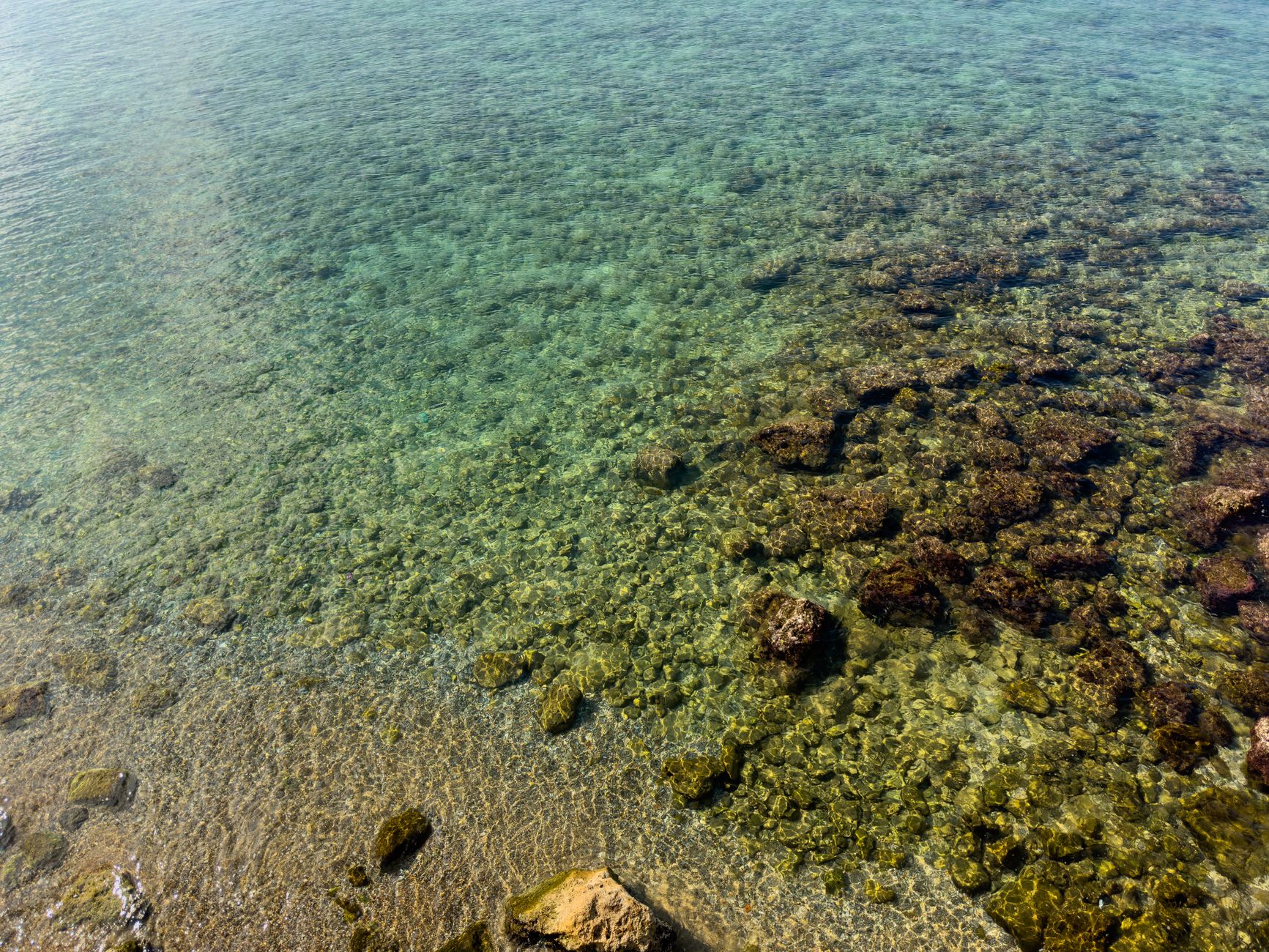
Along the rugged, dramatic coastline near Imías, where the land meets the deep blue, lies the Imías Offshore Reef Edge. This isn't a beach in the traditional sense, but rather a vital marine zone, a vibrant underwater landscape just off a wild, untamed shore. The journey to this area reveals a raw, powerful beauty – cliffs plunging into the sea, sparse, resilient vegetation, and the constant roar of the ocean. The true spectacle of Imías Offshore Reef Edge unfolds beneath the waves. Here, a thriving coral reef system creates an underwater metropolis for countless species of fish, crustaceans, and other marine creatures. Snorkelers and divers will be mesmerized by the intricate coral formations, the schools of iridescent fish, and the sheer biodiversity that flourishes in these pristine waters. The clarity of the Caribbean Sea provides exceptional visibility, making every dive or snorkel an unforgettable exploration. This destination is for the serious marine enthusiast, the adventurer who seeks to connect directly with the ocean's living heart. It offers a profound sense of discovery and an unparalleled opportunity to witness the health and vitality of Cuba's marine ecosystems. While access might require local guidance and boat travel, the reward is an immersive experience in one of the Caribbean's most significant and beautiful offshore reefs.
Places, rentals, tours and events within walking and driving distance of Imías Offshore Reef Edge.
Photos
Swimming and snorkeling safety depends on sea conditions and your experience level. Offshore reef edges typically feature stronger currents and deeper drop-offs compared to protected beaches. Only confident swimmers should venture here, and snorkeling with a buddy is essential. Check local weather forecasts before heading out, as the rugged Imías coast can experience rough seas. Bring proper snorkeling equipment and consider hiring a local guide familiar with current patterns and safe entry points along this remote reef system.
The optimal visiting period is during Cuba's dry season from November through April, when weather conditions are most stable and seas are calmer for snorkeling. This timing also coincides with fewer visitors, maintaining the area's hidden character. Avoid the hurricane season from June to November when rough seas can make reef access dangerous. Early morning visits often offer the best visibility for underwater exploration and calmer winds before afternoon breezes pick up along this exposed coastline.
Reaching this remote offshore reef requires traveling to Imías town in eastern Guantánamo Province, one of Cuba's most isolated regions. From Baracoa or Guantánamo city, expect a long drive on challenging roads. Once in Imías, you'll need to arrange boat access with local fishermen or tour operators, as the reef edge lies offshore. The journey requires advance planning, as tourism infrastructure is minimal. Four-wheel drive vehicles are recommended for the coastal approach, and hiring a local guide is advisable.
Imías is a small, remote coastal town with very limited tourist infrastructure. Accommodation options are scarce and primarily consist of casas particulares (private homestays) where you can arrange home-cooked meals featuring local seafood and Cuban staples. There are no resorts or formal restaurants. Plan to bring snacks and water for your reef excursion. Most visitors base themselves in larger towns like Baracoa and arrange day trips, or they prepare for basic, authentic rural accommodations with advance arrangements through local contacts.
This reef edge represents one of Cuba's most untouched marine environments, far from typical tourist circuits. The rugged, arid Imías coastline creates a dramatic backdrop rarely seen elsewhere in Cuba. The offshore reef system remains largely unexplored by recreational divers and snorkelers, offering pristine coral formations and abundant marine life. Its extreme remoteness means you'll likely have the area entirely to yourself, providing an authentic wilderness experience. The challenging access preserves its hidden status, making it ideal for adventurous travelers seeking undiscovered marine zones.