

Counting the waves…
Counting the waves…
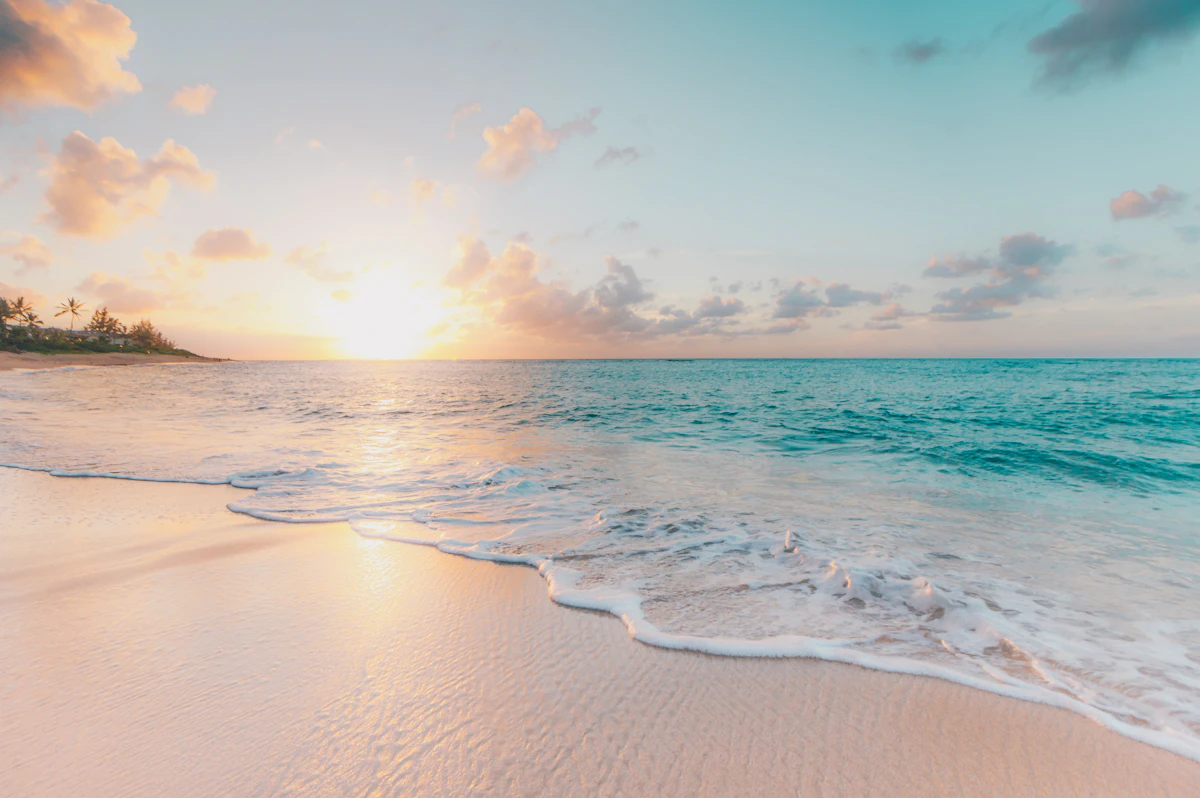
Playa Boca de San Antonio presents a unique coastal identity, where the fresh embrace of a river meets the salty kiss of the Caribbean. This convergence forms a tranquil lagoon, a placid expanse of water that stands in gentle contrast to the open sea. The shallows here are warm and inviting, making it an ideal spot for families with young children or anyone desiring a calm, ripple-free swim. The beach itself is a soft, sandy edge bordering the lagoon, offering ample space for building sandcastles or simply unwinding under the Cuban sun. The surrounding vegetation, typical of a river mouth, adds a touch of verdant green to the coastal palette. You’ll observe local life unfolding at a leisurely pace, from small fishing boats navigating the currents to children playing at the water's edge. This low-lying coastal stretch is a testament to the harmonious blend of land and sea. It’s a place where the water's gentle lapping creates a soothing soundtrack, and the sense of community is palpable. For those seeking a relaxed, family-friendly beach experience away from the bustling resorts, Playa Boca de San Antonio offers an authentic slice of Cuban coastal life.
Places, rentals, tours and events within walking and driving distance of Playa Boca de San Antonio.
Photos
The lagoon and river-mouth setting generally provides calmer waters than open ocean beaches, making it more suitable for families. The sheltered environment typically means gentler waves and shallower areas where children can play safely. However, supervision is essential as there are no lifeguards or safety infrastructure. Water shoes are recommended due to potential river sediment and varying bottom conditions. Always monitor children closely and be aware that water clarity may be reduced compared to open-sea beaches due to freshwater mixing.
Visit during Cuba's dry season from December through April for the most pleasant conditions and calmer waters. The lagoon environment is particularly enjoyable during these months when rainfall is minimal and water clarity improves. This beach sees fewer crowds throughout the year, offering peaceful family time regardless of season. Morning visits often provide the calmest conditions and best light for photography. Avoid the rainy season from May to October when river flow increases and water can become murky.
Access requires traveling to San Antonio del Sur in southeastern Guantánamo Province, approximately 85-90 kilometers south of Guantánamo city along coastal roads. Private car rental or taxi service is essential as public transportation is virtually nonexistent in this remote region. From Santiago de Cuba, the journey takes 3-4 hours depending on road conditions. The final stretch may involve basic roads; ask locals in San Antonio del Sur for specific directions to the river mouth area. Plan for limited services and bring supplies.
This remote location has minimal tourism infrastructure. San Antonio del Sur village may offer a few casas particulares where hosts can prepare meals featuring local seafood and traditional Cuban dishes. Don't expect formal restaurants; dining typically means eating with your casa particular hosts. Bring essential supplies including bottled water, snacks, and any special dietary items from larger towns. Guantánamo city, though distant, has more accommodation options. Advanced booking is crucial given the extremely limited local resources in this area.
The river-mouth and lagoon configuration creates a unique ecosystem where freshwater meets the Caribbean Sea, supporting diverse birdlife and coastal vegetation. This mixing zone offers different swimming conditions than typical beaches, with varying salinity and temperatures. The sheltered lagoon environment provides natural protection from ocean waves, creating calm pools ideal for gentle swimming. Photographers and nature enthusiasts appreciate the scenic convergence of river, lagoon, and sea. The area's undeveloped state means pristine natural beauty without commercial development typical of more accessible Cuban beaches.