Counting the waves…
Counting the waves…
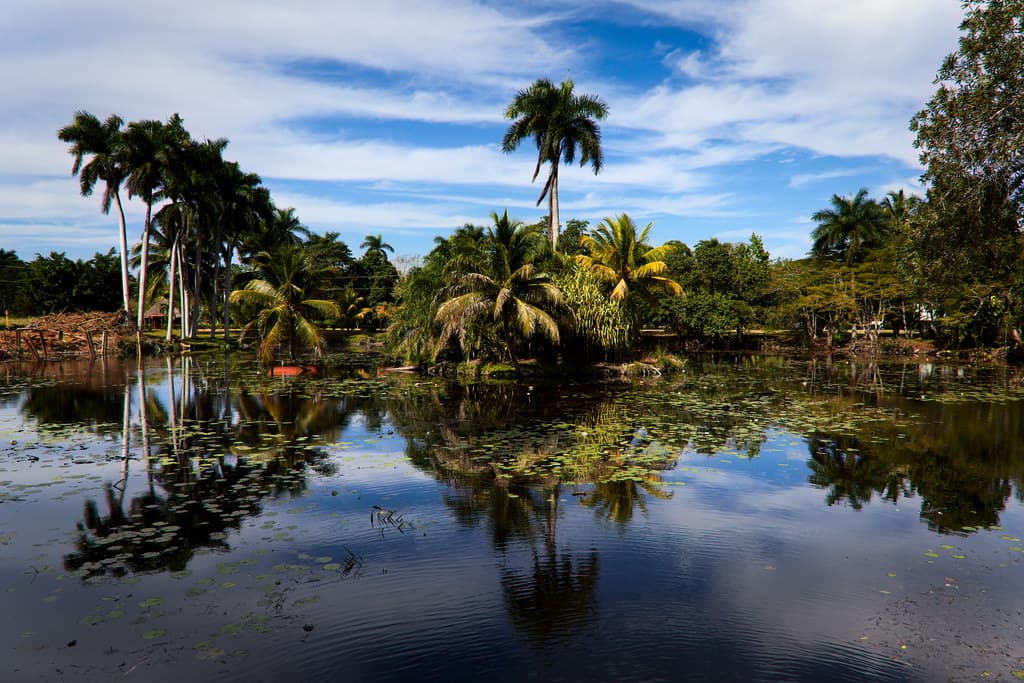
Nestled at the mouth of the Guamá River, Playa Boca de Guamá offers a distinctive coastal experience. Here, the freshwater currents mingle with the salty embrace of the Caribbean, creating a calm, protected bay ideal for those seeking gentle waters. The shoreline is a soft blend of sand and pebbles, giving way to shallow, inviting depths. The surrounding landscape is a vibrant ecosystem, with dense mangrove forests bordering the river, providing a habitat for diverse birdlife. This natural barrier contributes to the beach's secluded feel, making it a peaceful retreat from more bustling locations. You might spot egrets wading in the shallows or pelicans diving for fish, adding to the tranquil ambiance. It’s a perfect spot for families with young children, as the sheltered nature of the bay ensures minimal waves. Spend your day floating in the warm water, exploring the edges where the river meets the sea, or simply relaxing on the sand, soaking in the unique charm of this lagoon-mouth beach. The blend of riverine and marine environments makes for a subtly different kind of Caribbean beauty.
Places, rentals, tours and events within walking and driving distance of Playa Boca de Guamá.
Photos
Playa Boca de Guamá is generally safe for families due to its calm, sheltered waters where the lagoon meets the bay. The protected nature of this lagoon-mouth beach means minimal waves and currents, making it suitable for younger swimmers. However, always supervise children closely and be aware that water depth can vary. The bottom may have soft sediment and occasional rocks, so water shoes are recommended. Check for jellyfish, though they're uncommon in this area. The hidden location means fewer people, but also limited lifeguard services, so exercise standard water safety precautions.
Visit during the dry season from November through April for the most pleasant weather and fewer crowds. The beach's sheltered position makes it enjoyable year-round, though summer months bring more heat and humidity. Early morning and late afternoon offer the best light for photography and cooler temperatures. Midweek visits ensure maximum solitude at this hidden gem. The calm waters are most pristine in early morning before any wind picks up. Sunset can be particularly scenic where the lagoon opens to the bay. Avoid visiting during the September-October hurricane season when weather can be unpredictable.
Playa Boca de Guamá is located near Playa Larga on the Zapata Peninsula. Access typically requires local knowledge or a guide, as it's a hidden beach not clearly marked on tourist maps. From Playa Larga village, you'll likely need to arrange transportation with your casa particular host or hire a local guide who knows the area. The journey may involve driving on unpaved roads or paths. A rental car with good clearance is helpful if you're navigating independently. Ask locals in Playa Larga for specific directions, as they're familiar with these lesser-known coastal spots.
Playa Boca de Guamá has no on-site facilities due to its hidden nature. The nearby community of Playa Larga offers casas particulares where you can arrange home-cooked meals featuring local fish and traditional Cuban dishes. Small restaurants and paladares in Playa Larga serve fresh seafood and typical Cuban fare. It's essential to bring your own food, water, and supplies to the beach, including sun protection and any snorkeling gear. Your casa particular host can often prepare a picnic lunch. Accommodations range from basic to comfortable homestays. The town of Ciénaga de Zapata offers additional options.
The distinctive feature of Playa Boca de Guamá is its position where freshwater from inland lagoons mixes with seawater from the bay, creating a unique brackish environment. This confluence attracts diverse wildlife, including various bird species that feed in the nutrient-rich waters. The ecosystem supports both freshwater and marine species, offering interesting opportunities for nature observation. The sheltered lagoon mouth creates exceptionally calm conditions ideal for kayaking or paddleboarding. The landscape transitions from mangrove-lined lagoon to coastal vegetation, providing scenic variety. This ecological transition zone makes it particularly special for eco-tourism and wildlife enthusiasts exploring the Zapata Peninsula.