Counting the waves…
Counting the waves…

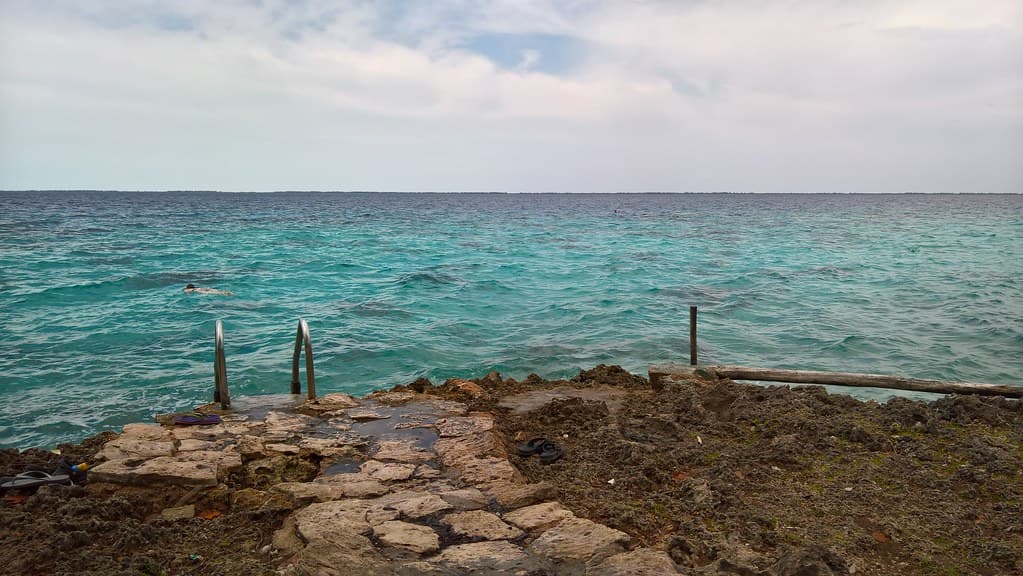
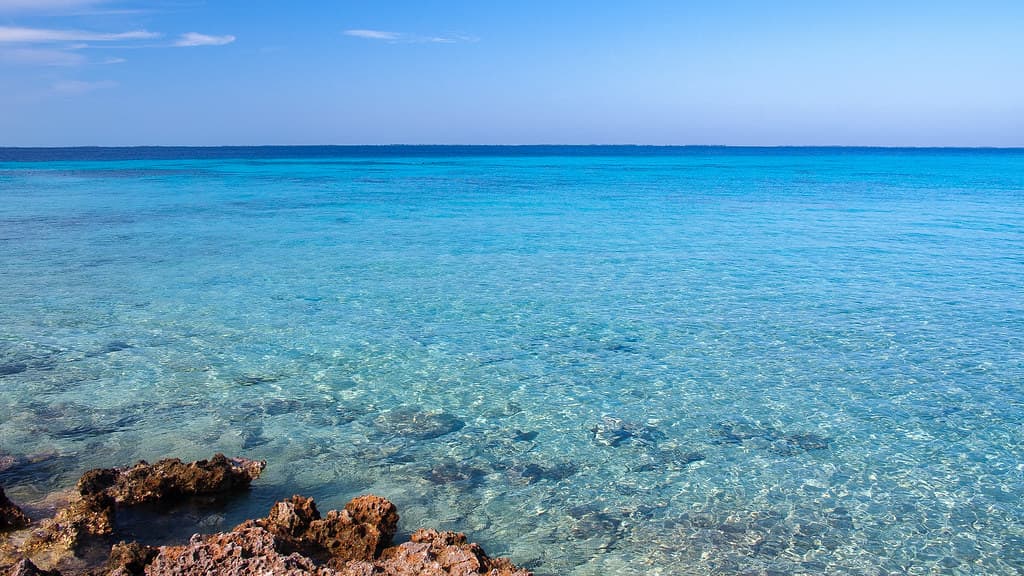
Cueva de los Peces, or the 'Cave of Fish,' is not your typical beach, but rather an iconic dive and snorkel site that beckons adventurers to its unique geological embrace. Located along the rugged south coast of the Zapata Peninsula, this site is famed for its spectacular cenote—a deep, freshwater sinkhole that plunges into the earth, revealing an ethereal world of stalactites, stalagmites, and a vibrant population of freshwater fish. What makes Cueva de los Peces truly extraordinary is its proximity and rumored underground connection to the Caribbean Sea. On one side, you can descend into the cool, clear freshwater of the cenote, exploring its mysterious depths. On the other, just across the road, the rocky shoreline opens up to the warm, azure waters of the Caribbean, where a thriving coral reef awaits divers and snorkelers. This dual access offers an unparalleled experience: explore the eerie beauty of the cenote's submerged cave system, then cross over to drift along the colorful reef, encountering parrotfish, barracuda, and intricate coral formations. It's a place where two distinct aquatic worlds converge, providing a rich tapestry of marine life and geological wonder that solidifies its status as a must-visit destination for any serious underwater enthusiast.
Places, rentals, tours and events within walking and driving distance of Playa Cueva de los Peces.
Photos
Swimming and snorkeling are generally safe at Cueva de los Peces, though the site requires caution due to its unique cenote-like structure. The natural pool reaches depths of over 70 meters in the center, so stay near the edges if you're not a confident swimmer. The rocky entry points can be slippery, and water shoes are recommended. There are no strong currents, but the deep blue center can be disorienting for some swimmers. Lifeguards are not always present, so swim with a buddy and assess your comfort level with deep water before entering.
Visit Cueva de los Peces during Cuba's dry season (November-April) for optimal diving and snorkeling conditions with clearer waters and calmer weather. Within the dry season, December through March offers the most consistent conditions. For daily timing, early morning (8-10am) provides the best natural light penetrating the cenote and fewer crowds, making it ideal for photography and peaceful exploration. Midday can get busy with tour groups. The site is accessible year-round, but summer months may bring afternoon rain showers and reduced underwater visibility due to runoff.
Cueva de los Peces is located along the coastal road on the Bay of Pigs, approximately 140km from Havana and about 8km south of Playa Larga village. From Havana, drive south on the Autopista Nacional toward Jagüey Grande, then follow signs to Playa Larga and continue south along the coast road; the trip takes 2.5-3 hours. The site is clearly marked with roadside signage. You can reach it by rental car, private taxi, or organized tour. Public transportation is limited, so most visitors arrange private transport or join excursions from Varadero, Havana, or Cienfuegos.
Cueva de los Peces has an on-site restaurant serving Cuban cuisine, fresh fish, and beverages with scenic views over the cenote. The facility includes changing rooms and basic amenities for day visitors. For accommodation, the nearest options are in Playa Larga village, about 8km north, which offers numerous casas particulares (family-run guesthouses) and a few small hotels. Playa Girón, 15km south, provides additional lodging options. Most visitors stay in one of these villages and make Cueva de los Peces a day trip, often combined with other Bay of Pigs attractions.
Cueva de los Peces is a spectacular natural cenote connected to the Caribbean Sea, plunging over 70 meters deep with crystal-clear freshwater mixing with saltwater. This creates a unique diving environment where you can explore underwater caves, dramatic rock formations, and a fascinating ecosystem where freshwater and marine species coexist. The visibility is often outstanding, and the site offers diving opportunities for various certification levels. Even snorkelers can enjoy the shallow areas teeming with colorful fish attracted to the shelter of the rocky walls. The geological and biological diversity makes it truly distinctive in Cuba.