Counting the waves…
Counting the waves…
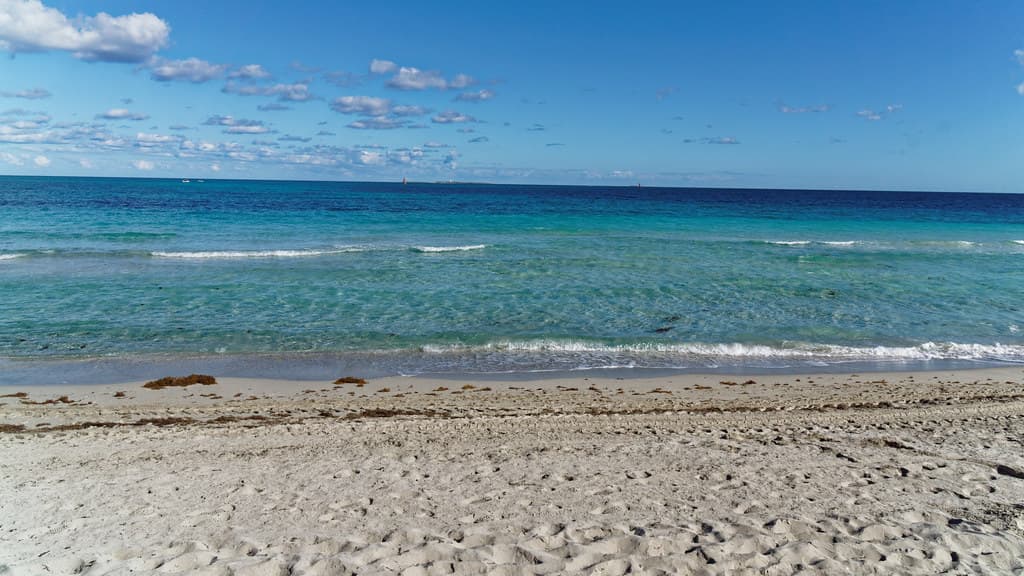
For those who believe the journey is as important as the destination, Playa Cayo Romero offers an unforgettable experience. This remote cay, a jewel in Varadero's crown, is reached by a scenic boat ride, setting the stage for the pristine beauty that awaits. As you approach, the water transforms from deep azure to a luminous turquoise, hinting at the untouched world beneath the surface. Stepping onto the soft, white sand of Cayo Romero, you'll immediately feel the difference. This isn't a beach with amenities or crowds; it's a raw, natural landscape where the wind whispers through sparse vegetation and the gentle waves lap at the shore. The sense of isolation is profound, allowing for complete immersion in the serene environment, making it a photographer's dream and a soul-seeker's haven. Spend your day swimming in the warm, shallow waters, exploring the coastline for unique shells, or simply basking in the sun's embrace. The quietude is a luxury, a chance to truly disconnect and appreciate the simple, unadulterated beauty of the Caribbean. Playa Cayo Romero is more than just a beach; it's an experience of discovery, a reminder of the wild, untamed spirit of Cuba.
Places, rentals, tours and events within walking and driving distance of Playa Cayo Romero.
Photos
Swimming conditions at Playa Cayo Romero are generally calm and safe due to its protected cay location. The surrounding coral reefs create natural barriers that reduce wave action. However, as a remote island beach, there are no lifeguards on duty. Visitors should exercise caution, swim during daylight hours, and be aware of their own abilities. Check weather conditions before visiting, as boat access can be affected by wind and sea conditions. It's advisable to wear water shoes to protect against coral and sea urchins in shallow areas.
The optimal time to visit Playa Cayo Romero is during Cuba's dry season from November through April, when you'll experience the best weather with calm seas and sunny skies. These months offer ideal conditions for the boat journey from Varadero and beach activities. For fewer crowds, consider visiting during weekdays or the shoulder months of May and November. The summer months (June-October) bring higher humidity, occasional rain, and increased risk of tropical storms. Early morning visits provide the most peaceful experience with better lighting for photography.
Reaching Playa Cayo Romero requires a boat excursion from Varadero, as it's a remote offshore cay with no road access. Most visitors join organized catamaran or yacht tours that depart from Varadero's Marina Gaviota or Marina Dársena. These day trips typically include transportation, snorkeling equipment, and meals. Private boat charters are also available for a more exclusive experience. The journey takes approximately 45 minutes to an hour depending on sea conditions. It's recommended to book tours through your hotel concierge or reputable tour operators in Varadero.
Playa Cayo Romero has no permanent restaurants, hotels, or infrastructure as it's an uninhabited cay. Visitors must arrange all food and beverages in advance. Most organized boat tours include lunch, drinks, and snacks as part of their package, typically serving fresh seafood and tropical fruits. If arranging a private boat charter, coordinate catering beforehand or bring a packed lunch. There are no facilities for purchasing food or water on the island. For accommodations, visitors stay in Varadero's hotels and resorts and visit the cay as a day trip.
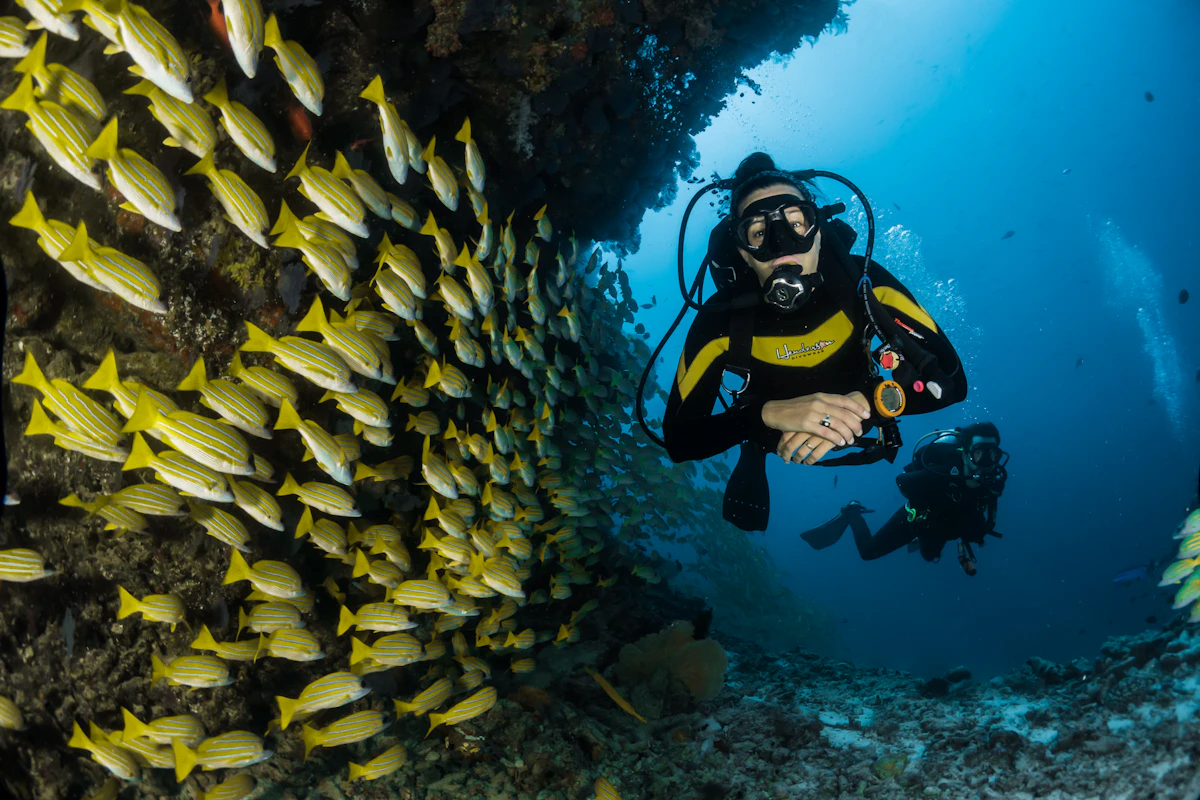
Playa Cayo Romero offers a pristine, untouched island experience that contrasts sharply with Varadero's developed resort beaches. As a remote cay, it features powdery white sand, crystal-clear turquoise waters, and minimal human impact. The beach provides exceptional opportunities for seeing marine life in its natural habitat, with vibrant coral reefs nearby. Its isolated location means you'll encounter far fewer tourists than on mainland Varadero. The journey itself becomes part of the adventure, offering scenic views of Cuba's coastal waters and the chance to spot dolphins or other marine wildlife en route.