
Counting the waves…
Counting the waves…

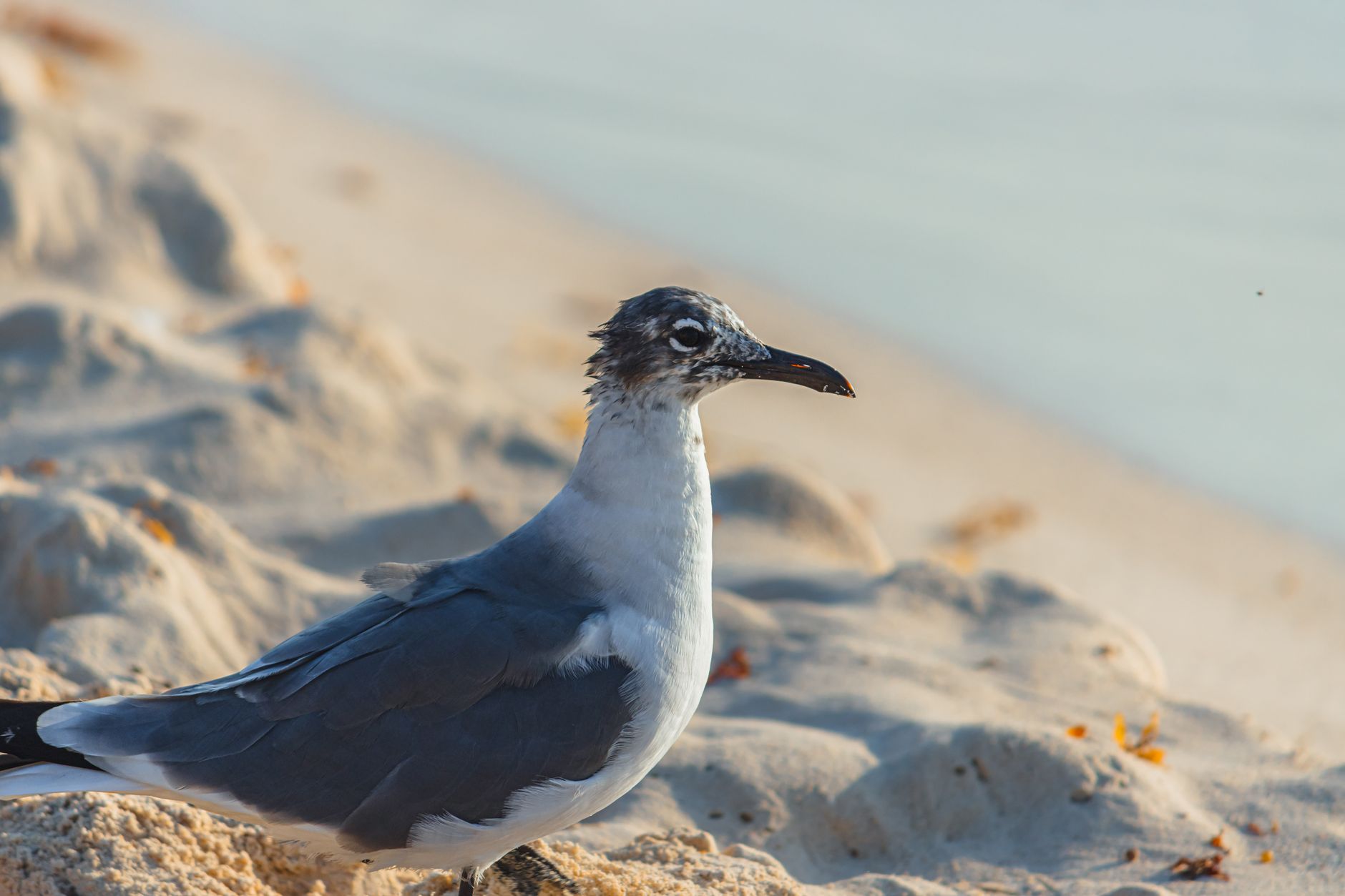
Discover the hushed beauty of Playa Punta del Mangle, a lagoon beach nestled on Mayabeque's south coast. Here, the water lies still, a mirror reflecting the sky, its surface barely disturbed by the softest ripples. The shoreline is edged by a dense fringe of mangroves, their roots creating intricate patterns in the shallows, offering a natural boundary that enhances the sense of seclusion. This is a place where the air is thick with the scent of salt and earth, and the only sounds are the gentle lapping of water and the distant calls of coastal birds. Beneath the calm surface, a delicate ecosystem thrives. The shallow, warm waters are perfect for a leisurely dip, offering a refreshing escape from the tropical sun. Kayakers can paddle through the mangrove channels, discovering hidden nooks and crannies, observing the unique flora and fauna that call this protected environment home. It's an immersive experience, connecting you directly with the island's rich biodiversity. As dusk descends, the lagoon transforms into a painter's palette. The setting sun casts a golden glow across the water, illuminating the mangrove canopy in fiery hues. The tranquility deepens, inviting moments of quiet contemplation. Playa Punta del Mangle is more than just a beach; it's a serene sanctuary, a testament to the quiet, understated beauty of Cuba's coastal lagoons, a place where peace truly reigns.
Places, rentals, tours and events within walking and driving distance of Playa Punta del Mangle.
Photos
Swimming conditions at Playa Punta del Mangle are generally calm due to its lagoon setting, making it safer than open ocean beaches. The mangrove-protected waters typically have minimal waves and currents. However, visibility may be lower than at sandy beaches, and swimmers should watch for submerged roots or uneven bottoms near mangrove areas. Always check local conditions before entering the water, avoid swimming alone, and be mindful that this remote location has limited lifeguard services or emergency facilities nearby.
The beach is best visited during Cuba's dry season from November to April when rainfall is minimal and conditions are most comfortable. However, since this is a hidden, less-crowded destination year-round, visiting during shoulder months like May or October can offer solitude with acceptable weather. Early mornings provide the best light for photography and wildlife watching among the mangroves. Weekdays are quieter than weekends when locals may visit. Avoid the September-October hurricane season for safety.
Reaching Playa Punta del Mangle requires traveling to San Nicolás de Bari in Mayabeque Province, approximately 50 kilometers south of Havana. From Havana, you'll need a rental car or private taxi, as public transportation to this remote beach is extremely limited. The journey involves driving through rural roads that may be poorly marked or maintained. Ask locals in San Nicolás de Bari for specific directions, as GPS may be unreliable. The final approach may require navigating unpaved roads near the mangrove coast.
Playa Punta del Mangle is a remote, undeveloped beach with no on-site facilities, restaurants, or hotels. Visitors should bring all necessary food, water, and supplies for the day. The nearest accommodations and dining options are in San Nicolás de Bari town, though choices are limited to small guesthouses (casas particulares) and local eateries. For more extensive lodging and restaurant options, plan to stay in Havana or nearby towns and visit the beach as a day trip, packing a picnic lunch.
Unlike Cuba's famous white-sand resort beaches, Playa Punta del Mangle offers an authentic mangrove-edge ecosystem experience. The beach sits where mangrove forests meet coastal waters, creating unique wildlife viewing opportunities including birds, crabs, and fish that thrive in this nursery habitat. The calm lagoon setting and complete absence of commercial development provide a serene, untouched atmosphere rarely found on Cuba's more accessible coasts. It's ideal for nature enthusiasts seeking ecological experiences rather than traditional sunbathing and water sports.