
Counting the waves…
Counting the waves…

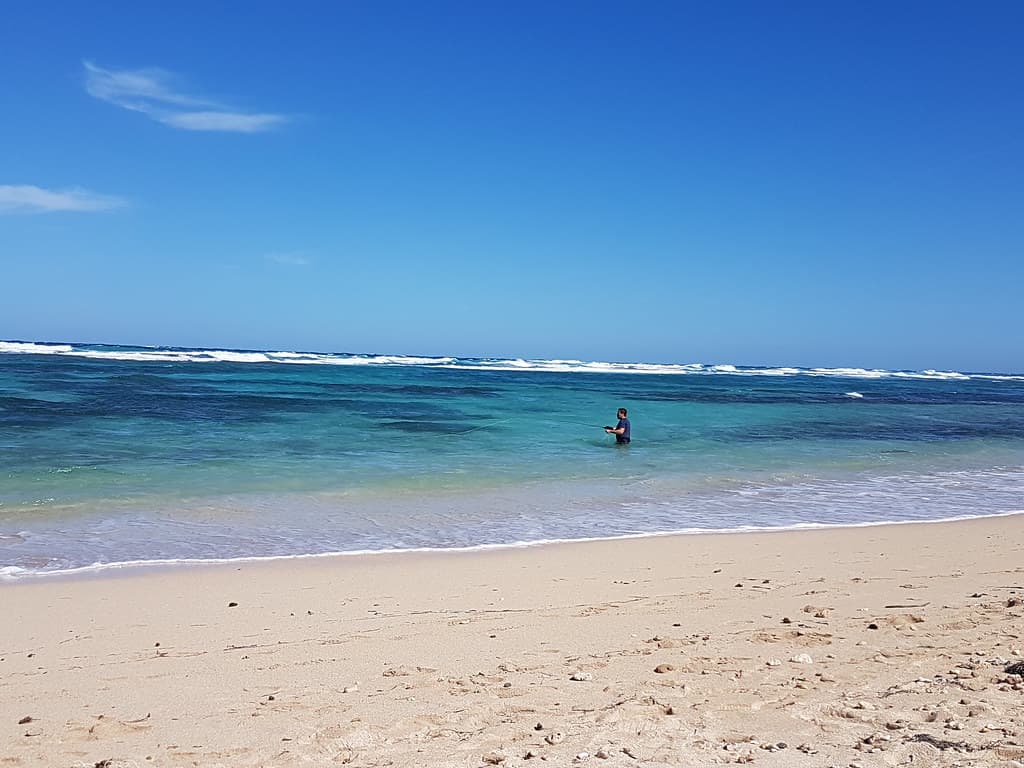
As you approach Playa Peñas Blancas, the first thing that captures your eye are the eponymous white cliffs, stark against the brilliant blue sky. These ancient formations, carved by relentless wind and water, create a dramatic backdrop to the vibrant sea. The shoreline itself is a mix of smooth, water-worn pebbles and larger rock outcrops, inviting you to wander and discover. The clear, deep water here is an open invitation for snorkelers. Submerge yourself to find a world of intricate rock gardens and the colorful marine life that calls them home. The visibility is often excellent, allowing for clear views of darting fish and swaying sea fans. It's a more adventurous snorkeling experience than a sandy bay, with hidden grottoes and ledges to explore. Above the water, the rugged terrain offers fantastic opportunities for coastal walks and photography. Find a secluded spot on the rocks to watch the waves crash against the shore, feeling the spray on your face and the raw power of the ocean. This is a place to feel small against the grandeur of nature, a truly scenic and unforgettable stretch of Cuban coastline.
Places, rentals, tours and events within walking and driving distance of Playa Peñas Blancas.
Photos
Swimming at Playa Peñas Blancas requires caution due to its rocky, rugged coastline. The terrain makes water entry challenging, and rocks can be slippery or sharp. Water shoes are essential for protecting your feet. Wave action and currents can vary along rocky coastlines, and without lifeguards typically present, swimmers must assess conditions independently. The rugged nature makes this beach better suited for experienced swimmers comfortable navigating rocky environments. Snorkeling is popular here, but swimmers should stay aware of their surroundings and avoid venturing into areas with strong currents or heavy wave action against rocks.
Plan your visit to Playa Peñas Blancas during Cuba's dry season from November through April for optimal conditions and fewer crowds. This hidden beach remains quiet year-round, but calmer seas during these months are particularly important for rocky coastlines, making water activities safer and more enjoyable. Early morning often provides the calmest conditions and best visibility for snorkeling. The rugged coastline is most beautiful and accessible when weather is favorable. Avoid the hurricane season from June to November when rough seas can make rocky shores dangerous and the coastline difficult to access or enjoy safely.
Playa Peñas Blancas is located in the Jibacoa coastal area of Santa Cruz del Norte, Mayabeque Province, approximately 60 kilometers east of Havana. Access is most practical via private car or taxi along the Via Blanca highway. As a hidden beach along a rugged coastline, it may require navigating local roads or paths, and signage is likely minimal. You may need to ask locals for specific directions. Public transportation options are very limited for this off-the-beaten-path destination. A local driver or guide familiar with the area can be invaluable for locating and accessing this beach.
Playa Peñas Blancas, being a hidden beach along a rugged coastline, has virtually no facilities on-site. Accommodation options are available in the broader Jibacoa and Santa Cruz del Norte area, including casa particulares and small hotels that offer authentic Cuban hospitality. These establishments often provide home-cooked meals featuring fresh seafood and traditional dishes. There are no restaurants directly at this beach, so bringing your own food and water is essential. Nearby communities have local eateries and small shops. Stock up on supplies in larger towns before visiting this remote coastal area.
Playa Peñas Blancas offers dramatic natural beauty characteristic of Cuba's rugged northern coastline, appealing to travelers seeking unspoiled, scenic destinations. The rocky formations create striking landscapes excellent for photography and nature appreciation. The rugged terrain supports diverse marine ecosystems, making it attractive for snorkeling and observing marine life in their natural habitat. The hidden, undeveloped nature ensures solitude and authentic coastal experiences without commercial tourism infrastructure. For adventurous travelers who appreciate raw natural beauty over convenience, this coastline provides a memorable alternative to conventional beach destinations, showcasing Cuba's diverse coastal geography.
