Counting the waves…
Counting the waves…
A refined fusion of water purity, environmental stability, and communal vibrancy for Playa La Bajada.
View MethodologyAnalyzed via live sensors and environmental data.
Wave height, wind, and atmospheric stability.
Live footfall and crowd balance metrics.
Community reviews and curated sentiment.
“Playa La Bajada serves as a vital entry point to the untamed landscapes of Guanahacabibes National Park. This sandy beach offers a comfortable base for exploration, providing a scenic and family-friendly spot to relax,…”
Limited recent visitor reports — live OBI telemetry is your best guide for current conditions.
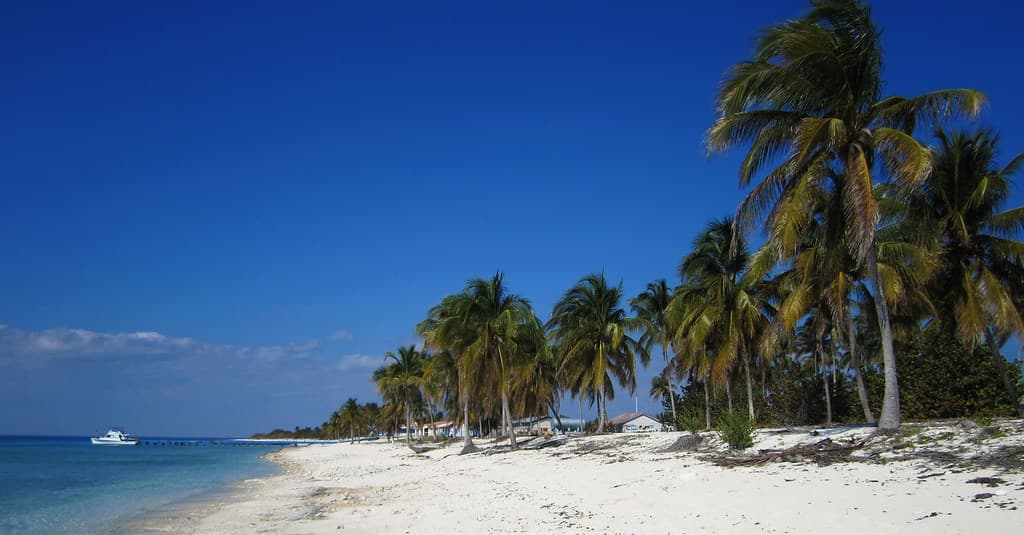
Playa La Bajada is more than just a beach; it's a strategic and welcoming hub for those venturing into the rugged beauty of Guanahacabibes National Park. Its accessible sandy shores provide a comfortable place to unwind after a journey, or to gather your thoughts before embarking on an exploration of the surrounding wilderness. The beach itself is a pleasant stretch of sand, perfect for sunbathing and enjoying the gentle Caribbean breeze.
While not as remote as some of its neighbors, La Bajada offers a tranquil atmosphere, making it ideal for families seeking a relaxed coastal experience. The calm waters are suitable for swimming, and the open expanse of sand invites leisurely strolls. You'll find a sense of community here, with local life gently unfolding around the park's main settlement.
 Credit: Unsplash
a beach with trees and a hill in the background
 Credit: Unsplash
people on beach during daytime
Relax on the sand
Enjoy calm waters
Explore Guanahacabibes
Prime Visitation
Best Weather|Less Crowds
Where it is
Playa La Bajada
La Bajada, Pinar del Río Province, Cuba
21.924079°, -84.484195°
Weather
Loading…
Swell
—
Temp
Warm · Restorative
UV Index
Moderate
Wind
—
Tidal State
Last known
Max Sunlight
—
Ideal Shade
—
Jan - Dec (Peak)
May - Nov (Off-season)
Best Weather|Less Crowds
Select a category to load nearby places.
Unlock restaurants, luxury stays and curated maritime experiences within 2km
Playa La Bajada can be suitable for families, though its remote location requires preparation. The beach typically offers calm conditions appropriate for children, and its role as a settlement beach means some local infrastructure exists. However, there are no lifeguards or formal safety services. Parents should supervise children constantly and assess water conditions before allowing swimming. The beach's importance as a gateway to Guanahacabibes National Park means it's more developed than completely wild beaches nearby. Families should bring all necessary supplies, sun protection, and first aid, as medical facilities are limited in this remote area.
The best time to visit Playa La Bajada is during the dry season from November through April, when weather is most reliable and access roads are in better condition. This period offers comfortable temperatures and calmer seas. The beach serves year-round as a Guanahacabibes National Park access point, but fewer crowds occur during weekdays and outside Cuban holiday periods. For optimal conditions with less crowding, consider visiting during shoulder months like November or April. The remote location means the beach rarely feels overcrowded regardless of season, though facilities and services may be limited during slower periods.
Reaching Playa La Bajada requires driving to the remote Guanahacabibes Peninsula in western Pinar del Río Province. From Havana, the journey covers approximately 280-300 kilometers, taking 4-5 hours by car. Drive west through Pinar del Río city, then continue southwest toward the peninsula. La Bajada is the main settlement serving Guanahacabibes National Park access. A rental car is highly recommended, as public transportation is minimal or nonexistent. Ensure your vehicle has adequate fuel before leaving larger towns. Roads become increasingly rural approaching the peninsula. Some visitors combine this destination with María La Gorda diving center nearby.
As a key settlement beach for Guanahacabibes National Park access, Playa La Bajada offers more services than completely isolated beaches, though options remain limited. The small community may have basic casas particulares (private homestays) and simple restaurants or food stands serving Cuban cuisine. Services are basic compared to tourist destinations. Many visitors stay at nearby María La Gorda diving center, which offers more established hotel and dining facilities. It's wise to bring supplementary food and supplies. Confirm accommodation availability in advance, especially during peak season, as options are limited in this remote area.
Playa La Bajada serves as an important gateway to Guanahacabibes National Park, a UNESCO Biosphere Reserve protecting Cuba's westernmost peninsula. The settlement provides a base for exploring the park's diverse ecosystems including forests, coastal areas, and marine environments. Visitors can arrange guided tours, hiking excursions, and access to park trails from this location. The beach itself offers a gentler introduction to the wild Guanahacabibes coastline. Park rangers and local guides are often available to facilitate exploration. This strategic location makes the beach valuable not just for sunbathing but as a launching point for eco-tourism and nature-focused adventures throughout the protected area.
Photos