
Counting the waves…
Counting the waves…

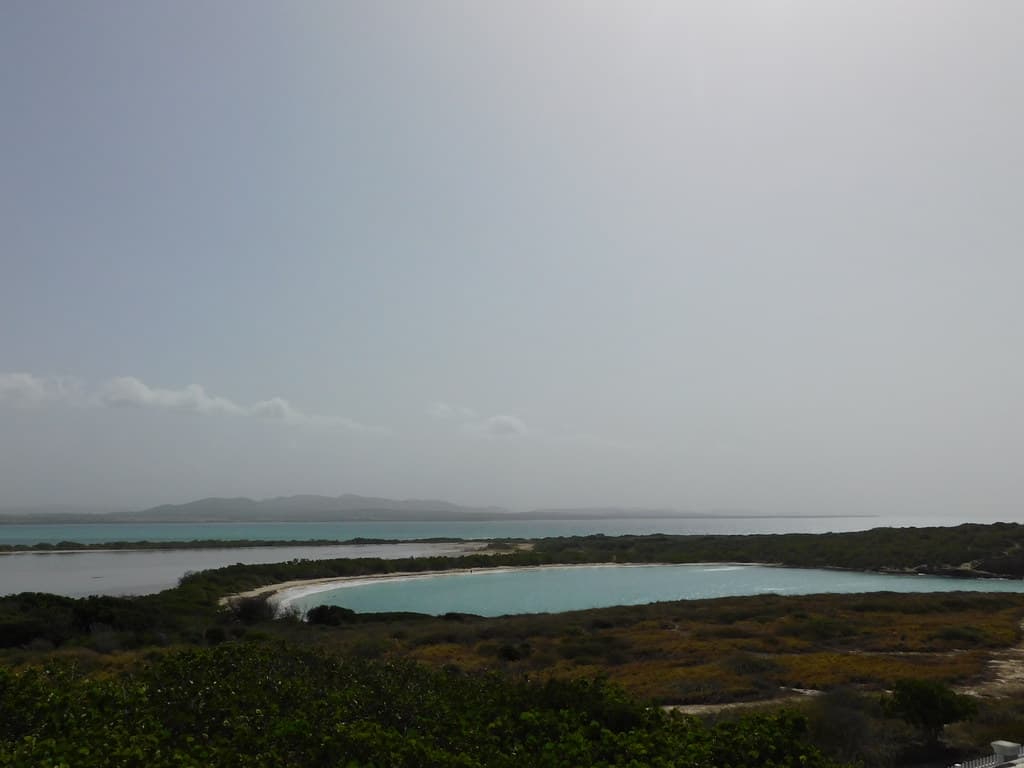
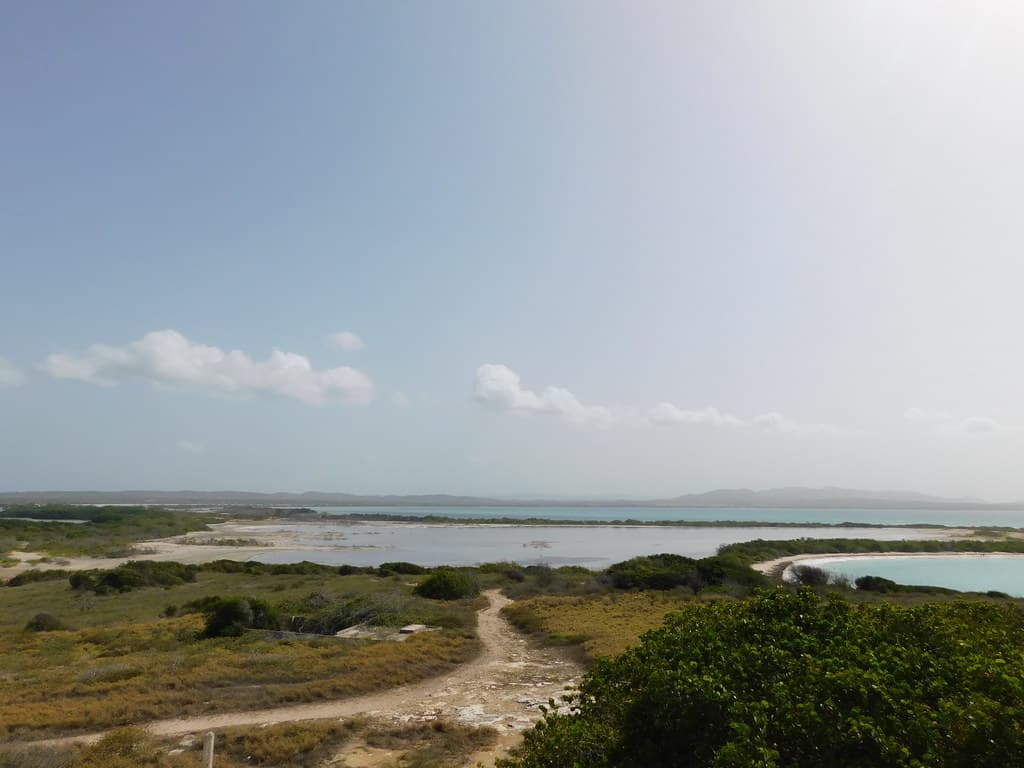
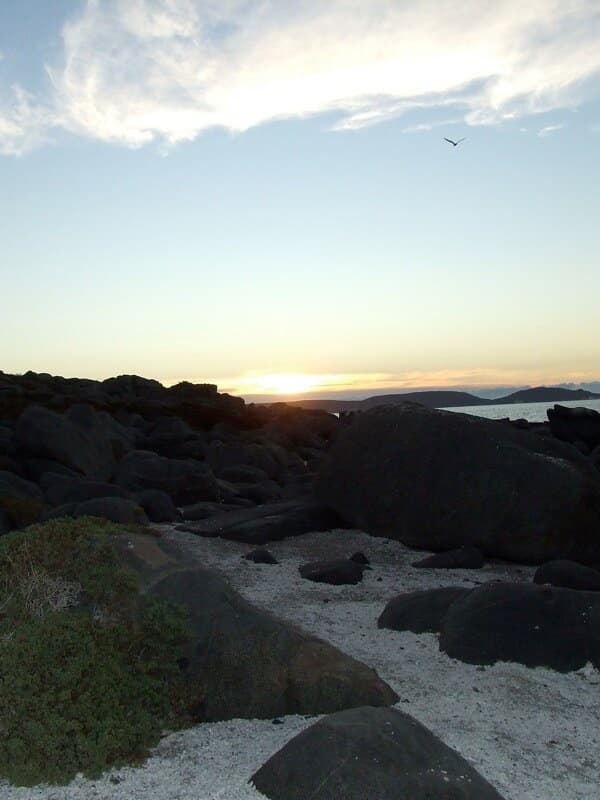
Nestled near the La Palma-Artemisa transition zone, Playa Morrillo is a testament to Cuba's diverse coastal topography. Unlike the soft, sandy beaches often associated with the Caribbean, this rugged stretch is defined by its dramatic rock formations, where the relentless power of the ocean has sculpted a landscape of raw beauty. The air here is thick with the scent of salt and the sound of crashing waves, a constant reminder of nature's formidable presence. Exploring Playa Morrillo is an adventure in itself. You'll find hidden tide pools teeming with marine life, perfect for a quiet moment of discovery. The jagged coastline invites contemplation, offering panoramic views of the vast expanse of the sea. It's a place where the wind whips through your hair and the horizon stretches endlessly, providing a profound sense of isolation and wonder. This beach is not for the faint of heart, nor for those seeking typical resort amenities. Instead, it caters to the explorer, the photographer, and anyone who appreciates the untamed grandeur of a truly wild coastline. Playa Morrillo is a powerful reminder of the earth's enduring artistry, a place where you can connect with the elemental forces that shape our world.
Places, rentals, tours and events within walking and driving distance of Playa Morrillo.
Photos
Playa Morrillo's rocky nature makes it less suitable for traditional swimming compared to sandy beaches. The rocky terrain can create unpredictable water conditions, including strong currents around rock formations and uneven underwater surfaces. Without lifeguards or safety services, visitors should be extremely cautious. The beach is better suited for wading, exploring tide pools, or enjoying coastal scenery rather than swimming. If you do enter the water, wear water shoes for protection, stay in shallow areas, and be mindful of wave action against rocks. Always assess conditions carefully before entering.
Visit Playa Morrillo during Cuba's dry season, November through April, for the most pleasant conditions and calmer seas. This hidden beach is ideal for those seeking solitude, so visiting during off-peak months enhances that experience. The rocky landscape can be particularly dramatic during periods of moderate wave action, though calm conditions are safer for exploration. Avoid hurricane season (June-November) when rough seas make rocky coastlines especially hazardous. Early mornings and late afternoons offer the best light for photography and cooler temperatures for coastal exploration along this scenic, rugged shoreline.
Playa Morrillo is located near the La Palma-Artemisa provincial transition zone in northern Cuba, requiring some effort to reach. From Havana, drive west toward Pinar del Río Province, then navigate to La Palma and follow local roads toward the northern coast. A rental car is highly recommended due to limited public transportation in this rural area. The journey may involve unpaved roads as you approach the coast. Local taxis or private drivers can be arranged from La Palma town. GPS coordinates may be unreliable, so ask locals for directions once you're in the area.
Playa Morrillo is a rugged local beach with virtually no tourist facilities on-site. Accommodations and dining options are found in La Palma town or nearby settlements, primarily casas particulares offering rooms and home-cooked meals. Don't expect restaurants or shops at the beach itself. Bring all necessary supplies—food, water, sun protection, and any equipment you'll need for the day. Local families might occasionally sell snacks or drinks, but don't rely on this. Plan to be completely self-sufficient for your beach visit and arrange meals through your casa particular hosts.
Playa Morrillo's rocky character distinguishes it from Cuba's famous white-sand beaches, offering dramatic coastal scenery with rugged formations and tide pools. Located in a transition zone between provinces, it provides an authentic glimpse of Cuba's less-visited northern coastline. The beach attracts virtually no tourists, making it perfect for travelers seeking genuine local experiences and natural beauty without crowds. Its rocky terrain creates unique photographic opportunities and chances to observe coastal ecosystems. Rather than sunbathing and swimming, visitors come here for scenic exploration, solitude, and experiencing Cuba's undeveloped coastal wilderness.