
Counting the waves…
Counting the waves…
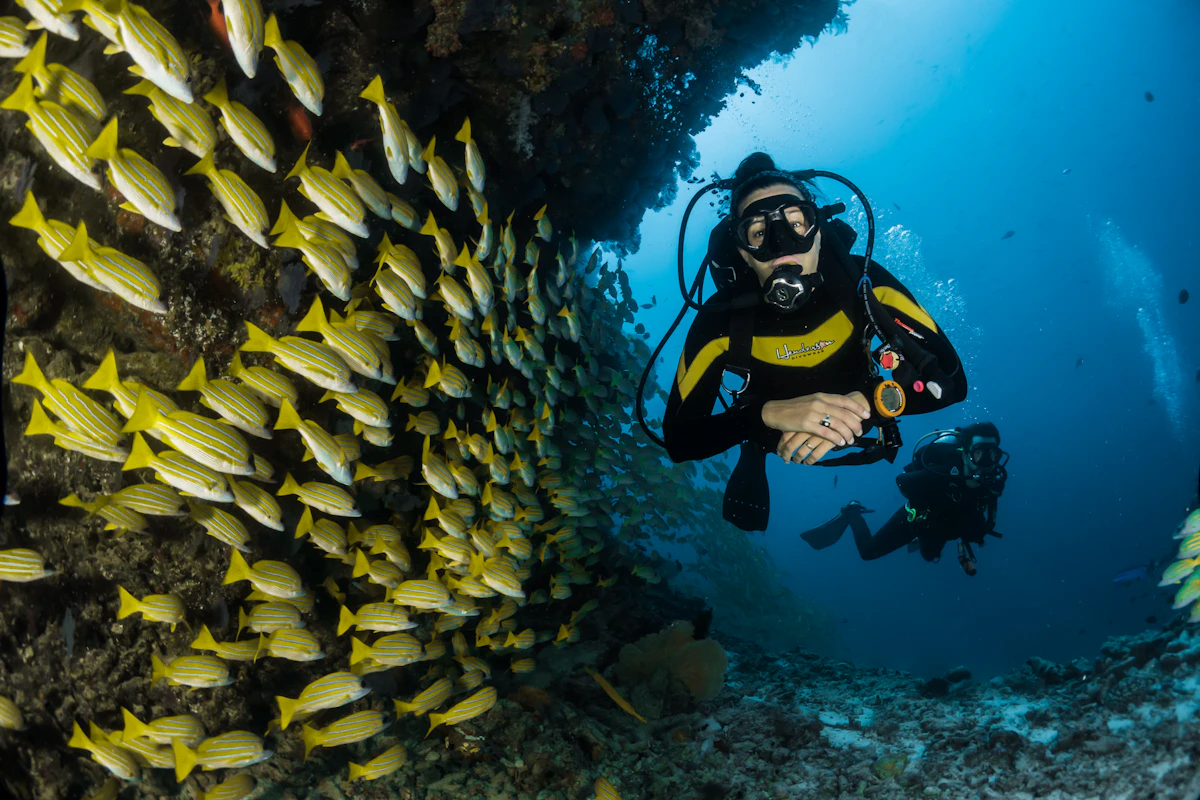
Playa Caribe is not merely a beach; it's an invitation to a more intimate Cuban experience. Imagine the sun warming your skin as you recline on soft sand, the only soundtrack the rhythmic whisper of the sea and the distant call of gulls. This hidden cove, a short journey from the vibrant colonial streets of Trinidad, feels like a secret whispered among locals, a place where the Caribbean's true character reveals itself. The allure extends beyond the shore. Don a mask and snorkel, and you'll quickly understand why this spot is so cherished. A living reef, just a fin-kick from the beach, bursts with a kaleidoscope of marine life. Parrotfish graze on coral, angelfish dart through anemones, and schools of iridescent fish shimmer in the sun-dappled water, offering an unforgettable underwater spectacle. For those who appreciate discovery over fanfare, Playa Caribe delivers. It’s a place to linger, to read a book under the shade of a sea grape tree, or simply to watch the horizon blur into endless blue. This reef-adjacent haven is a testament to the quiet beauty that still thrives along Cuba's less-trodden paths, promising a profound connection to the island's natural splendor.
Places, rentals, tours and events within walking and driving distance of Playa Caribe.
Photos
Playa Caribe offers good swimming and snorkeling conditions, particularly appealing to those interested in exploring reef environments. The adjacent reef creates interesting underwater topography but also means swimmers should be cautious of rocky areas and reef edges. Snorkelers will appreciate the marine life attracted to reef ecosystems, though appropriate footwear and awareness of currents are important. As with any reef-adjacent beach, avoid touching or standing on coral to protect both yourself and the fragile ecosystem. The turquoise waters offer good visibility for underwater exploration when conditions are calm.
Playa Caribe is best visited during less crowded periods when you can fully appreciate its hidden, scenic qualities without interruption. Cuba's dry season (November-April) provides optimal weather and water clarity for snorkeling the reef areas. The turquoise water is most vibrant on sunny days, so plan your visit during clear weather for the best visual experience and underwater visibility. Weekdays and non-holiday periods ensure a peaceful atmosphere. Since it's positioned between La Boca and Ancón, visiting during shoulder seasons lets you explore multiple Trinidad-area beaches without the peak-season crowds.
Playa Caribe is located between La Boca and Playa Ancón along Trinidad's coastline, making it accessible from Trinidad town. You can reach it by taxi, rental car, or bicycle, typically within 20-30 minutes from Trinidad's center depending on the specific access point. Since it's a smaller, hidden beach, it may not be as well-signposted as Playa Ancón, so asking locals or your accommodation host for precise directions is recommended. Some visitors discover it while exploring the coastal road between the more popular beaches, making it an excellent stop for deeper coastal discovery.
Playa Caribe itself is a small, hidden beach without dedicated tourist facilities. Accommodation is best found in nearby Trinidad, which offers extensive casa particular options and small hotels, or in the La Boca and Ancón beach areas. For food, you'll want to bring supplies for a beach day, as on-site restaurants are unlikely. Trinidad provides excellent dining choices featuring Cuban cuisine and fresh seafood that you can enjoy before or after your beach visit. The nearby Playa Ancón area has some beachfront restaurants if you want dining closer to the coast.
Playa Caribe distinguishes itself through its reef-adjacent setting and stunning turquoise waters, offering a different character than Trinidad's other coastal options. While Playa Ancón is known for its long sandy stretch and La Boca for its river-mouth setting, Playa Caribe provides an intimate, hidden beach experience ideal for snorkeling exploration. Its position along the Topes de Collantes coastal foothill edge creates dramatic scenery where mountains meet sea. The smaller scale and lower profile mean fewer visitors, making it valuable for travelers seeking authentic coastal discovery beyond the main tourist beaches in the Trinidad area.