Counting the wavesβ¦
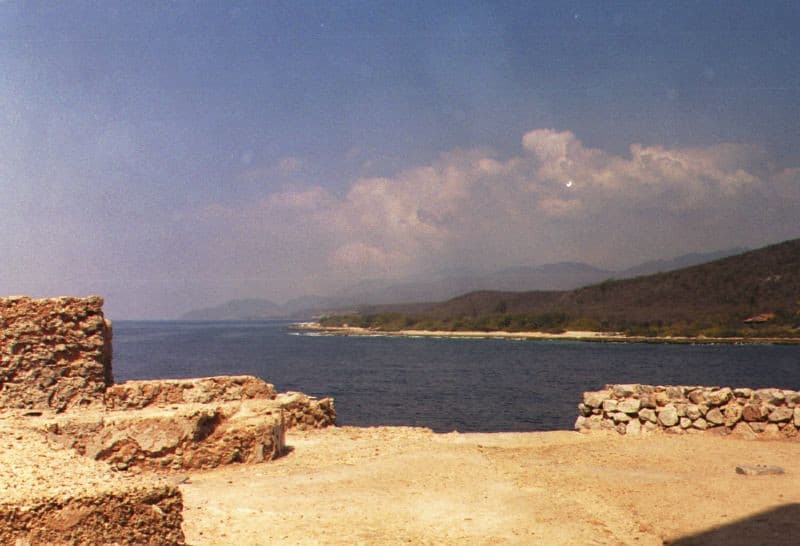
Tucked away west of Santiago Bay, Playa Punta de Sal is a testament to Cuba's diverse coastal offerings. This rocky point beach, valuable for its varied beach-type coverage, offers a distinct experience from the typical sandy shores. It's a place where the rugged coastline meets the sea, creating a dramatic landscape perfect for those who appreciate natural, untamed beauty. Visiting during times of fewer crowds allows you to fully immerse yourself in the tranquility and scenic grandeur. Imagine the sound of waves gently lapping against the rocks, the salty air invigorating your senses, and the vast expanse of the Caribbean stretching out before you. The rocky formations provide natural perches for contemplation and offer unique photographic opportunities, particularly during the golden hour. What truly sets Playa Punta de Sal apart is its underwater allure. Don your mask and snorkel to discover a vibrant world beneath the surface, where colorful fish dart among the rocks and corals. As evening approaches, the beach transforms into a prime spot for sunset viewing, with the sky ablaze in hues of orange, pink, and purple, reflecting off the water. Itβs a hidden escape for those seeking both adventure and serenity.
Places, rentals, tours and events within walking and driving distance of Playa Punta de Sal.
Photos
Rocky beaches like Punta de Sal present different conditions than sandy shores. Swimming is possible but requires caution due to rocks, uneven surfaces, and potentially sharp coral. Water entry and exit points are limited and may be challenging. Wearing water shoes is highly recommended for foot protection. Calmer days offer safer snorkeling opportunities to explore marine life around rocks. Avoid swimming during rough seas when waves crash against rocks creating dangerous conditions. No lifeguards are present, so swim at your own risk.
Visit during Cuba's dry season (November-April) when seas are typically calmer for safer exploration of the rocky coastline. The beach is west of Santiago Bay, offering spectacular sunset views, so late afternoon visits are particularly rewarding. Weekdays provide the most solitude at this hidden location. For snorkeling, choose calm, clear days with good visibility. Avoid visiting during windy periods or after storms when wave action against rocks creates hazardous conditions and reduces underwater visibility.
Located west of Santiago Bay along the Mar Verde coastal area, Punta de Sal requires private transportation. Hire a taxi from Santiago de Cuba for approximately 15-25 CUC, negotiating a return time or round-trip rate. The journey takes 30-45 minutes depending on road conditions and exact starting point. Rental cars offer independence but require navigating secondary coastal roads. Public transportation doesn't serve this hidden beach. Ask your casa particular host to arrange a trusted taxi driver familiar with the area's rocky points.
This hidden rocky beach has virtually no tourist facilities. There are no restaurants, vendors, or bathrooms directly at the beach. The nearest services are in the Mar Verde area or back toward Santiago de Cuba. Pack all essentials including water, snacks, sun protection, and snorkeling gear if interested. A cooler with drinks and food is advisable for longer visits. Consider having your casa particular prepare a packed lunch. Santiago's restaurants and shops (20-30 minutes away) offer pre-visit provisioning options.
Rocky coastlines like Punta de Sal typically offer superior snorkeling compared to sandy beaches. Rocks and coral create habitats for diverse marine species including tropical fish, sea urchins, and crustaceans. The varied underwater topography provides interesting exploration with ledges, crevices, and formations. Clear days offer excellent visibility for observing marine life. The rocky point geography often concentrates fish populations. This beach type suits snorkelers seeking underwater discovery over sunbathing. Bring your own equipment as rental facilities don't exist at this remote location.