
Counting the waves…
Counting the waves…
Step onto Playa Punta de Berraco and feel the ancient pulse of the earth beneath your feet. This rocky expanse, situated near Cuba's eastern provincial border, is a testament to nature's artistry. Jagged formations jut into the sea, sculpted by millennia of wind and waves, creating a landscape that feels both wild and profoundly beautiful. It's a place where the horizon stretches endlessly, and the air is thick with the scent of salt and sea spray. While not a spot for lounging on a towel, Punta de Berraco beckons adventurers and photographers. The clear waters around the rock formations teem with marine life, making it an excellent, albeit rugged, spot for snorkeling. Don your mask and fins to discover a kaleidoscope of fish darting among the coral and crevices. The underwater world here is as captivating as the dramatic scenery above. As evening approaches, the true magic of Punta de Berraco unfolds. The setting sun paints the sky in fiery oranges, deep purples, and soft pinks, casting long shadows across the rocks and turning the ocean into a shimmering expanse. It's a spectacle that demands your full attention, a moment of profound beauty that will etch itself into your memory. This is a beach for contemplation, for embracing the wild heart of Cuba.
Places, rentals, tours and events within walking and driving distance of Playa Punta de Berraco.
Photos
As a rocky point beach, swimming conditions vary significantly with tide and swell. The rocky substrate and potential for stronger currents around the point make this better suited for experienced swimmers. Sharp rocks and sea urchins require protective footwear for water entry. Calmer conditions typically occur in early morning before winds pick up. Snorkeling around rocks can be rewarding but demands caution regarding surge and submerged hazards. No lifeguards are present, and medical facilities are distant. Swimming is possible but requires careful assessment of conditions.
The dry season from December through April offers the calmest seas and clearest water for snorkeling. Visit on weekdays to ensure solitude, as this hidden beach sees very few visitors even during peak tourist season. Early morning provides the best snorkeling visibility before afternoon winds stir up sediment. Late afternoon brings excellent sunset viewing opportunities from the rocky point. Avoid visiting during north swells or rough weather when wave action against the rocks creates hazardous conditions.
The beach is located near Sigua along the eastern Baconao coastal zone, requiring a journey east from Santiago de Cuba. Access is best achieved with a rental car or hired private taxi, as the area lacks regular public transportation. The final approach may involve unpaved tracks or walking along coastal paths. GPS coordinates are unreliable; ask for directions in Sigua village. The remote location near the provincial border means roads are less maintained. Allow extra travel time and consider local guidance for finding the exact access point.
This extremely remote beach has no tourist infrastructure. Santiago de Cuba city, 30-40 kilometers west, offers the nearest reliable accommodation and dining. Alternatively, seek casa particular homestays in Sigua or neighboring villages, where hosts may prepare meals by arrangement. No facilities exist at the beach itself—bring all food, drinking water, snacks, and supplies. The nearest small shops are in Sigua village. Plan for complete self-sufficiency. Consider packing a cooler with lunch and plenty of water for a full beach day.
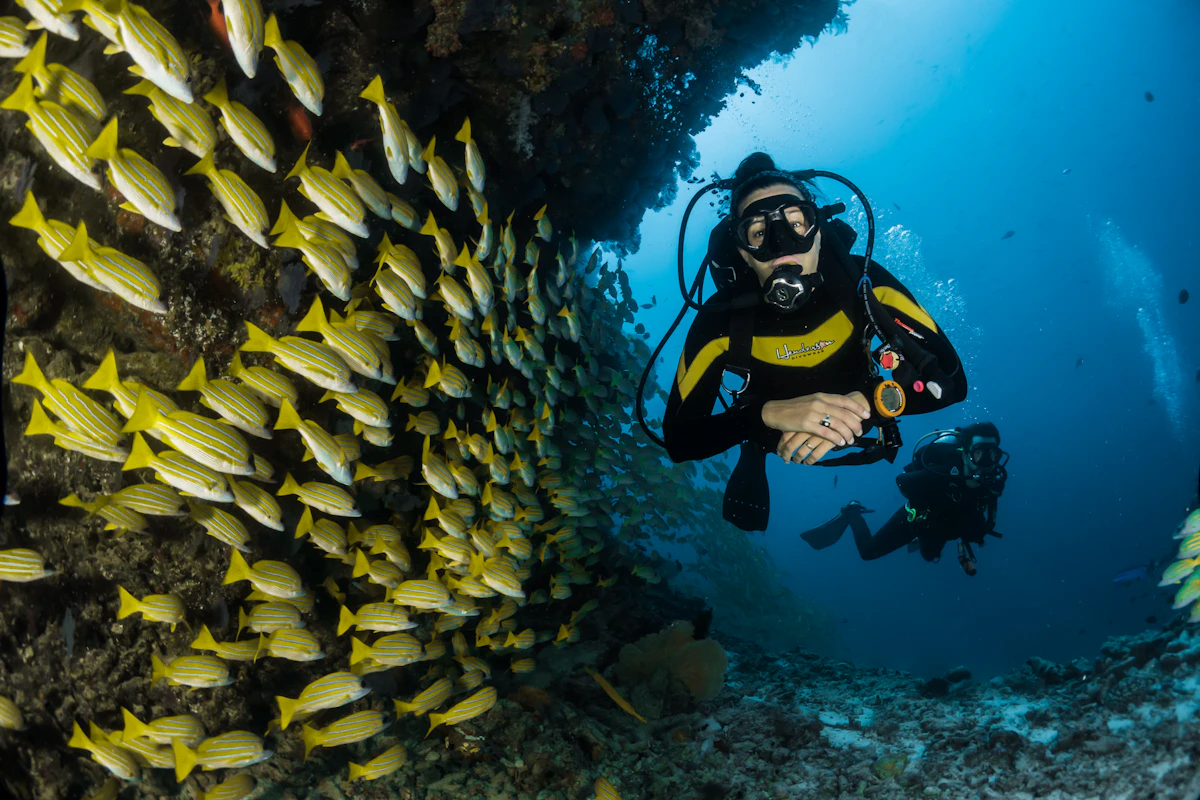
The rocky point creates habitat diversity that attracts marine life uncommon on sandy beaches. Rock formations, crevices, and potential coral growth provide shelter for tropical fish, crustaceans, and invertebrates. The point's geography often creates clearer water compared to sandy beaches with suspended sediment. Snorkeling around rocky coastlines offers different viewing experiences than reef environments. However, conditions depend heavily on weather—calm days are essential. Always snorkel with a buddy and watch for surge against rocks. The remoteness means you'll explore pristine, rarely-visited underwater terrain.