Counting the waves…
Counting the waves…
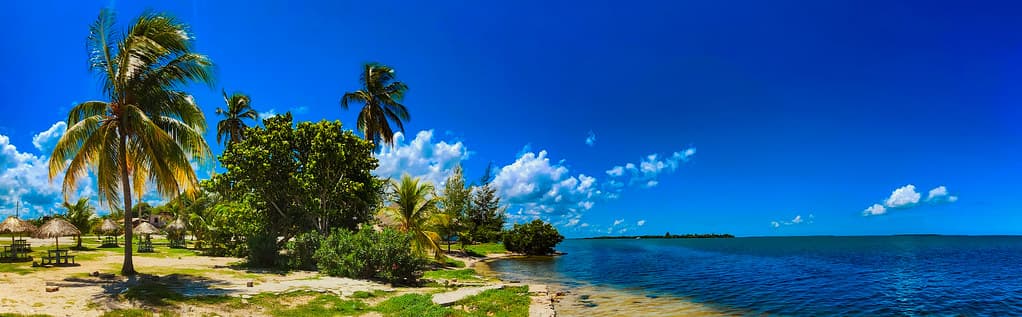
Playa Panchita offers a glimpse into authentic Cuban beach culture, far removed from resort crowds. The shoreline, a ribbon of pale sand, cradles a calm, shallow sea, perfect for wading or a leisurely dip. You'll find families picnicking under improvised shade, children splashing at the water's edge, and the scent of salt and sun in the air. This isn't a beach of grand amenities, but one of genuine charm. Local vendors might offer fresh fruit or a cool drink, adding to the unpretentious atmosphere. The pace is unhurried, encouraging long afternoons spent reading, napping, or simply watching the small fishing boats glide across the horizon. For those seeking a true connection with Cuba's coastal spirit, Playa Panchita delivers. It’s a place where the simple pleasures of sun, sand, and sea are amplified by the warmth of the community, leaving you with memories of an unspoiled, heartfelt escape.
Places, rentals, tours and events within walking and driving distance of Playa Panchita.
Photos
Playa Panchita is a small, local beach primarily used by residents of Quemado de Güines for recreation. As a mainland beach in Cuba's Villa Clara province, it typically offers calm waters suitable for families and casual swimming. However, facilities and lifeguard services may be minimal or absent, so exercise caution and supervise children closely. Water quality and conditions can vary, and information may be limited for international visitors. The beach's local, low-key nature means it's generally peaceful and safe from crowds, but amenities and emergency services are basic. Always assess conditions personally before swimming.
Cuba's north coast experiences pleasant weather year-round, with the dry season from November to April offering the most comfortable conditions. For budget travel and fewer crowds, visit outside peak tourist months of December through March. The wet season (May to October) brings afternoon showers and humidity but can offer lower prices and authentic local atmosphere. Since Playa Panchita is a small, hidden beach primarily frequented by locals rather than tourists, it remains uncrowded throughout the year. Weekdays are quieter than weekends when local families may visit for recreation and relaxation.
Playa Panchita is located near Quemado de Güines in Villa Clara Province, on Cuba's north coast. From Havana, the journey is approximately 250-280 kilometers, taking 3-4 hours by car via the national highway toward Santa Clara, then north toward the coast. Public transportation options are limited; private taxis or rental cars (with proper permits) are most reliable. From Santa Clara city, it's roughly 80 kilometers north. The beach is off the main tourist circuit, so navigation may be challenging without local knowledge. Consider arranging transportation through your accommodation or hiring a driver familiar with the area.
Playa Panchita is in a small coastal area with very limited tourist infrastructure. Accommodation likely consists of casas particulares (private home rentals) in Quemado de Güines or nearby communities, offering budget-friendly, authentic Cuban hospitality. Dining options will be modest—small local restaurants (paladares), street food vendors, or meals arranged through your casa particular. Don't expect resort amenities or international cuisine. Bring Cuban pesos for local transactions, as this area sees few tourists and may not accept credit cards. Larger towns like Sagua la Grande offer more services while maintaining an authentic, non-touristy atmosphere.
Playa Panchita offers an authentic glimpse into local Cuban coastal life, far removed from resort areas like Varadero or the northern cays. This small mainland beach serves primarily as recreation space for residents of Quemado de Güines, providing visitors a chance to experience how Cubans enjoy their coastline. The beach's hidden nature and budget-friendly accessibility make it appealing for adventurous travelers seeking genuine cultural immersion. You'll likely interact with local families rather than tourists, experiencing Cuban coastal culture authentically. The absence of development means natural, unspoiled surroundings, though with minimal facilities and services.