Counting the waves…
Counting the waves…
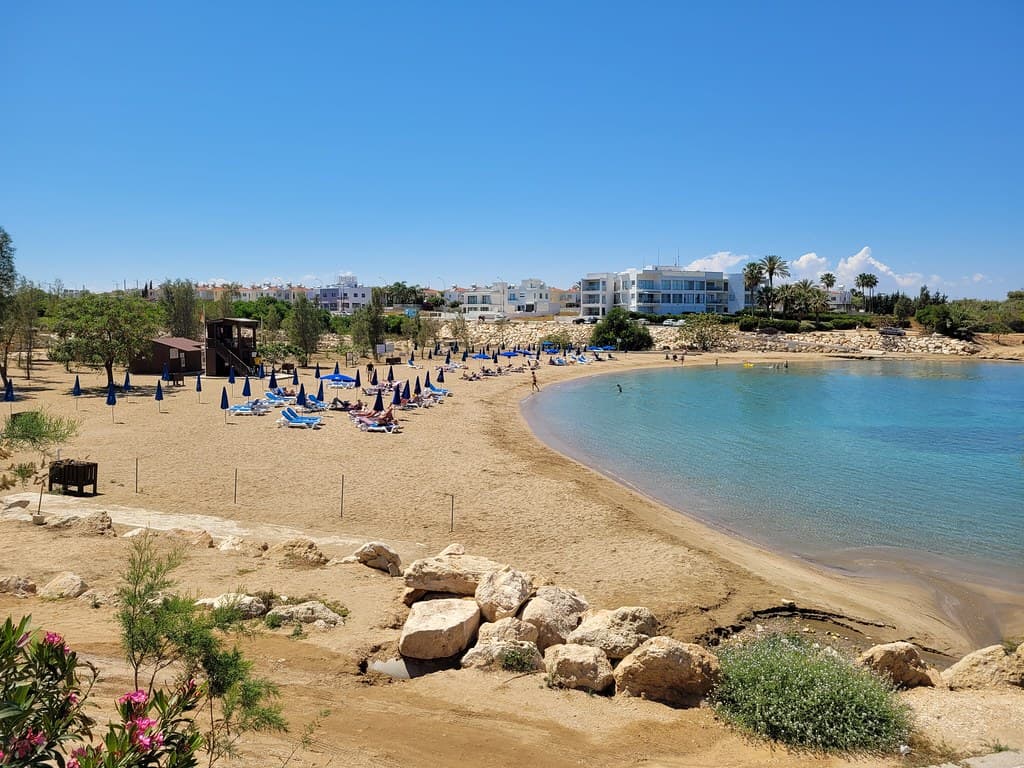
Venture to Katsarka Beach, a captivating stretch of coastline near Ayia Napa that stands apart with its rugged, rocky character. Unlike the soft, sandy beaches, Katsarka offers a more dramatic and authentic encounter with the Cypriot sea. Here, the shoreline is defined by fascinating rock formations and smooth, sun-warmed stones, creating a unique landscape for exploration and sunbathing. The water at Katsarka is exceptionally clear and deep, making it a prime spot for swimming and snorkeling directly from the rocks or small platforms. The absence of fine sand means the water remains undisturbed, revealing a vibrant underwater world of marine life and fascinating rock formations beneath the surface. It's a refreshing change for those who prefer to dive into deeper waters rather than wade through shallows. While not ideal for lounging on a towel, the smooth rocks offer comfortable spots for sunbathing, and the quiet atmosphere provides a peaceful retreat from the more crowded areas. Pack your water shoes for easy access and your snorkel gear to fully appreciate the aquatic beauty. Katsarka Beach is a testament to Cyprus's diverse coastal charm, offering a memorable experience for those who appreciate natural, untamed beauty.
Places, rentals, tours and events within walking and driving distance of Katsarka Beach.
Photos
Katsarka Beach's rocky coast makes swimming different from sandy beaches, requiring more caution and experience. Entry into the water involves navigating rocks, so water shoes are essential for foot protection. Swimming is possible but better suited to confident swimmers comfortable with rocky shorelines and potentially deeper water near the coast. The rocky terrain can create interesting snorkeling opportunities but also hazards like slippery surfaces and sharp edges. Always assess sea conditions carefully, as rocky coasts can be dangerous in rough weather. This beach is less suitable for young children or inexperienced swimmers.
Katsarka Beach can be visited year-round thanks to its hidden, less-crowded nature, though conditions are most pleasant from April through October. The shoulder seasons of May-June and September-October offer excellent weather with minimal visitors, enhancing the beach's peaceful character. Even peak summer months remain relatively quiet compared to Ayia Napa's sandy resort beaches. Calm sea days are best for exploring the rocky coastline safely. Winter visits are possible for coastal walks and scenery, though swimming is less comfortable. The beach's rocky nature means it's less affected by seasonal crowd patterns.
Katsarka Beach is located in the Ayia Napa area but as a hidden rocky coast, it's less obviously marked than main beaches. Access typically requires a car or taxi from Ayia Napa town, followed by walking to reach the rocky shore. GPS coordinates or local directions are helpful for finding this lesser-known spot. The approach may involve informal parking and walking over uneven terrain. Sturdy footwear is essential given the rocky nature. Public transport is unlikely to reach this specific area, making a rental car the most practical option for visiting this off-the-beaten-path coastal location.
Katsarka Beach, being a hidden rocky coast, has no on-site facilities, so visitors must be completely self-sufficient. Bring all necessary supplies including food, water, sun protection, and first aid, as shops and restaurants are not immediately nearby. The nearest amenities are in Ayia Napa town, a short drive away, offering extensive dining, shopping, and services. Accommodation is found in Ayia Napa with options ranging from budget to luxury. The beach's remote character means planning is essential—pack everything you'll need and don't expect facilities like toilets, showers, or shade structures.
Katsarka Beach stands apart as a rocky coastline offering a completely different experience from Cyprus's famous sandy resort beaches. Its rugged character appeals to visitors seeking dramatic coastal scenery, solitude, and natural exploration rather than sunbathing and swimming. The rocky terrain attracts snorkelers and those interested in marine life and geological formations. Its hidden status means very few tourists, providing genuine seclusion even in high season. The beach rewards adventurous visitors with untouched coastal beauty and peaceful surroundings, though it demands more preparation and appropriate expectations than conventional beaches.