Counting the waves…
Counting the waves…
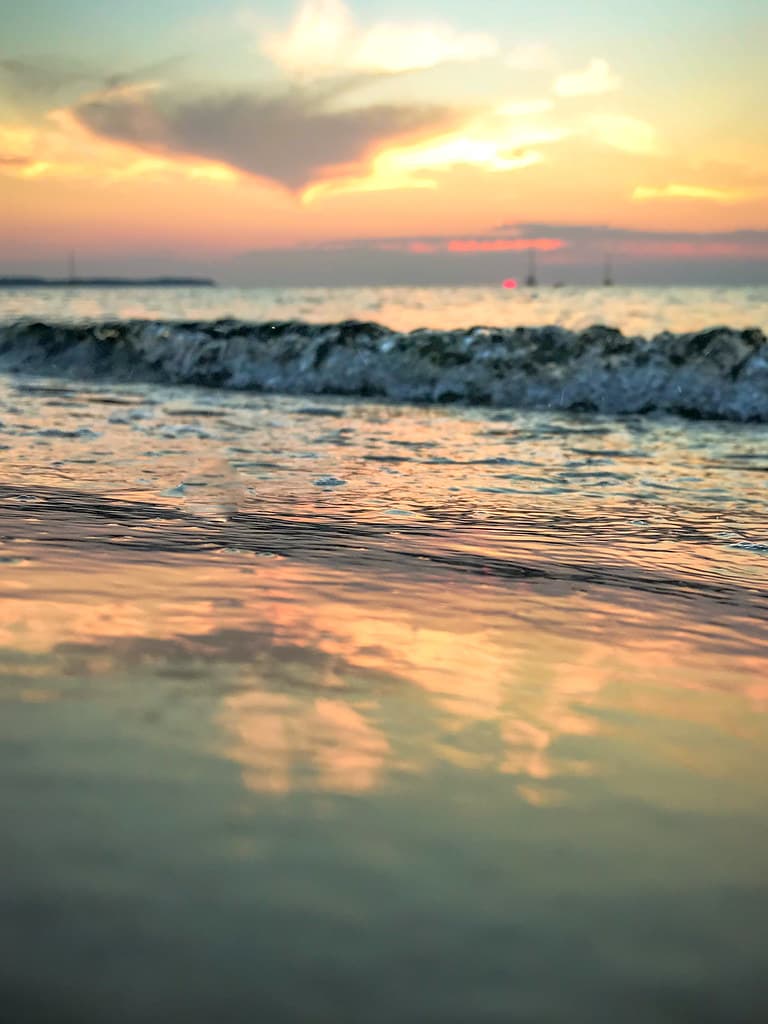
Munkerup Beach refuses to announce itself. You find it by threading through Dronningmølle's residential streets, where painted wooden houses sit behind dune grass and the smell of woodsmoke drifts from chimneys even in summer. The beach materializes gradually—first the glint of water through pine branches, then the crunch of stones beneath your shoes as pavement gives way to shore. The pebbles here are not decorative; they're the kind that require sandals or thick-soled feet, worn smooth by centuries of Baltic tides. A handful of weathered boathouses, their timber silvered by salt air, punctuate the strand. In July, when Gilleleje swells with Copenhagen weekenders, Munkerup remains the domain of locals who arrive with thermoses of coffee and dog-eared paperbacks. The water stays cold enough to make you gasp—this is the Kattegat, after all—but on clear days you can trace the Swedish coastline across the strait. Come in late afternoon when the light turns amber and the stones radiate stored warmth. Families pack up their coolers, couples claim driftwood logs for makeshift benches, and the beach returns to its essential quietness. There are no facilities, no lifeguards, no concessions—just the elemental meeting of land and sea that Danes have perfected into an art form.
Places, rentals, tours and events within walking and driving distance of Munkerup Beach.
Photos
Swimming at Munkerup Beach is generally safe for experienced swimmers, though the pebble shoreline can make entry slightly more challenging than sandy beaches. The waters here are part of the Øresund strait with typical Danish coastal conditions. There are no lifeguards, so swim at your own risk and assess conditions before entering. The beach's quiet, residential nature means fewer people are around in emergencies. Check weather forecasts and avoid swimming during storms or high winds. The pebbles can be slippery when wet, so wear appropriate water shoes.
Munkerup Beach is naturally less crowded year-round due to its hidden, residential location between Gilleleje and Dronningmølle. For the quietest experience, visit during weekdays in June or September when weather is still pleasant but peak summer tourists have diminished. Early mornings and late afternoons, even in July and August, offer peaceful moments. The beach lacks major facilities and commercial development, which naturally limits visitor numbers. Autumn and spring provide excellent opportunities for solitary beach walks and scenic photography without the swimming crowds.
Munkerup Beach is best accessed by car, as it sits in a residential area between Gilleleje and Dronningmølle on Zealand's north coast. From Copenhagen, drive north via Route 16 and then Route 237 along the coast; the journey takes approximately one hour. Look for residential access points between the two towns. Public transport is limited; you can take a train to Gilleleje station and then taxi or cycle approximately 3-4 kilometres east. The beach's hidden nature means signage is minimal, so GPS navigation is recommended.
Munkerup Beach itself has no commercial facilities, so plan accordingly. The nearby towns of Dronningmølle and Gilleleje offer restaurants, cafés, and grocery stores within a short drive. Gilleleje, the larger of the two, has better dining variety including seafood restaurants and Danish bakeries. Accommodation options include vacation rentals, summer houses, and small guesthouses scattered throughout the area. Several hotels and bed-and-breakfasts operate in Gilleleje. Many visitors bring picnics to enjoy the peaceful, scenic setting without nearby amenities.
Munkerup Beach offers couples a romantic, secluded coastal experience away from tourist crowds. The quiet, hidden location provides privacy and intimacy rarely found at more popular beaches. Scenic residential surroundings create a charming backdrop, and the pebble shore adds rustic character. The peaceful atmosphere is ideal for romantic walks, sunset watching, and quiet contemplation. Its under-the-radar status means you'll often have long stretches of coastline to yourselves. The lack of commercial development preserves an authentic, unspoiled coastal charm perfect for couples seeking tranquility.